HeadPowder, a leading manufacturer based in Shandong, China, specializes in advanced pneumatic conveying systems tailored for handling yeast materials. This article explores the fundamental working principles and key characteristics of such systems, providing a comprehensive overview for industry professionals seeking efficient material transport solutions.
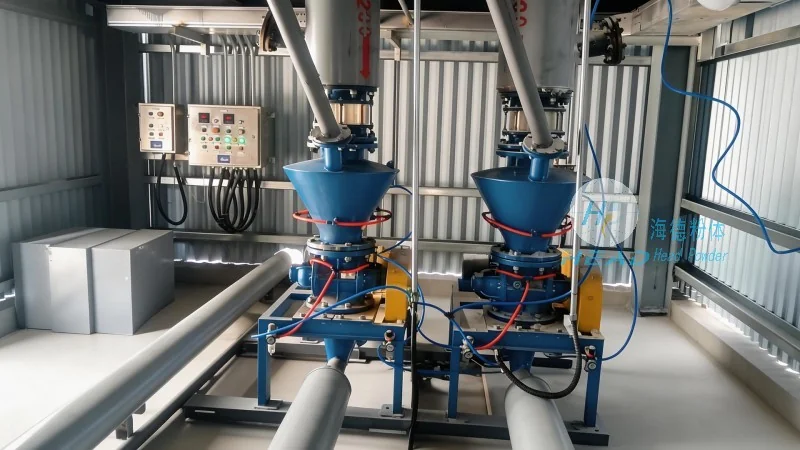
Understanding Pneumatic Conveying Systems
Pneumatic conveying, also known as air conveying, is a method of transporting bulk materials through a pipeline using pressurized or vacuum air. In the context of yeast materials, this technology offers a hygienic, dust-free, and efficient means of moving products from one location to another. The core principle involves creating a flow of air within a pipeline that propels the yeast particles forward, eliminating the need for mechanical components like belts or buckets that may introduce contamination or wear.
Key Working Principles of Yeast Material Pneumatic Conveying
The operation of a pneumatic conveying system for yeast materials typically involves several critical steps. First, the yeast is introduced into a hopper or feeder, where it is then drawn into the conveying line by a vacuum or pressure source. The system uses either positive pressure (where air is blown into the line) or negative pressure (where air is sucked out), depending on the application requirements. The air velocity is carefully controlled to ensure that the yeast particles are suspended and transported without clogging or degradation. This process maintains the integrity of the yeast, preserving its quality and ensuring consistent flow rates.
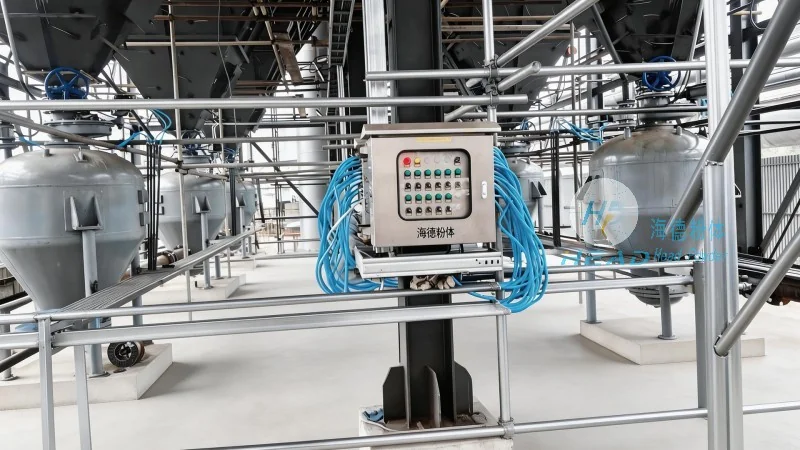
Advantages and Characteristics of Pneumatic Conveying for Yeast
One of the primary advantages of pneumatic conveying for yeast materials is its ability to provide a closed system, which minimizes exposure to contaminants and maintains product hygiene. This is particularly important in the food and beverage industry, where yeast is used as a fermentation agent. Additionally, the system offers flexibility in terms of layout, allowing for horizontal, vertical, or inclined pipe configurations to accommodate various plant designs. The lack of moving parts reduces maintenance requirements and extends the lifespan of the equipment, leading to lower operational costs over time.
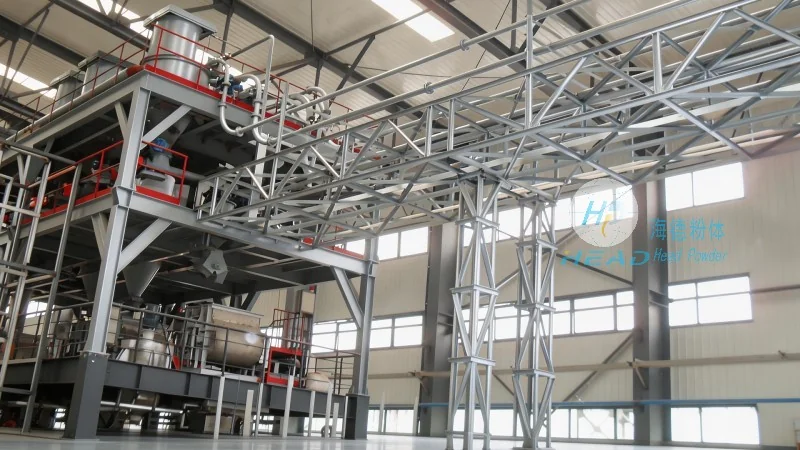
Key Characteristics of Effective Yeast Pneumatic Conveying Solutions
Effective pneumatic conveying systems for yeast materials exhibit several defining characteristics. Firstly, they are designed to handle the specific physical properties of yeast, such as particle size, density, and moisture content. The system's air flow rate and pressure are optimized to match these characteristics, ensuring smooth and reliable transport. Secondly, the equipment is constructed from materials that are compatible with yeast and food-grade applications, such as stainless steel, to prevent corrosion and contamination. Thirdly, the system incorporates features like in-line filters and cleaning mechanisms to maintain performance and prevent blockages. These characteristics collectively contribute to a robust and efficient conveying solution that meets the demands of modern yeast processing facilities.
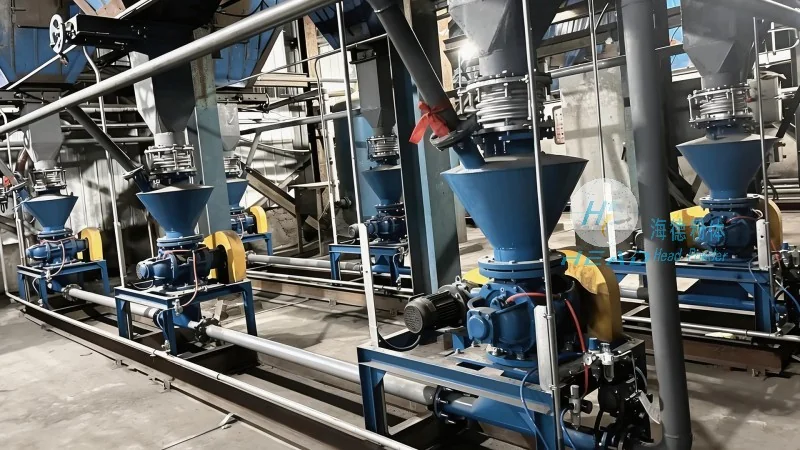
Applications and Industry Impact
Pneumatic conveying systems for yeast materials are widely used in various industrial applications, including food processing, pharmaceutical manufacturing, and biotechnology. In food production, they are employed in breweries and bakeries to transport yeast from storage to fermentation tanks, ensuring consistent and hygienic handling. The technology also plays a role in research and development settings, where precise control over yeast transport is essential for experimental processes. By leveraging the advantages of pneumatic conveying, industries can enhance productivity, reduce downtime, and improve overall operational efficiency.
Conclusion
HeadPowder's expertise in pneumatic conveying systems for yeast materials underscores the importance of tailored engineering solutions in the food and beverage sector. By understanding the working principles and characteristics of these systems, businesses can make informed decisions about implementing efficient material transport strategies. The combination of hygienic design, flexible configurations, and low maintenance requirements makes pneumatic conveying an ideal choice for handling yeast, contributing to the success of modern processing operations.




