At Shandong HeadPowder Engineering Co., Ltd., we specialize in the efficient handling of various industrial materials, including sodium stearate, through advanced air-driven transport systems. This article explores the working principle and key characteristics of such systems, providing a comprehensive overview for professionals in the chemical and material processing industries.
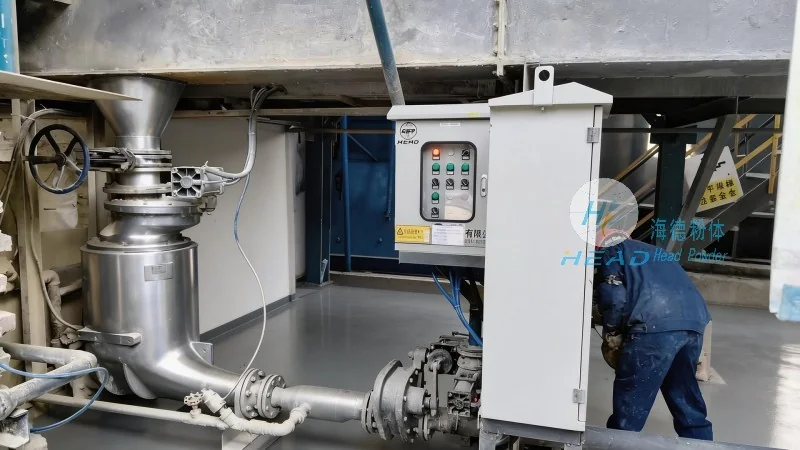
Understanding the Working Principle of Air-Driven Transport for Sodium Stearate
The air-driven transport system for sodium stearate operates on the principle of pneumatic conveying, where material is transported through a pipeline using a combination of air pressure and vacuum. The process typically involves several key components and steps. First, the sodium stearate material is fed into a hopper or feeder, which ensures a consistent and controlled flow into the transport line. From there, the material is introduced into the pipeline, where it is mixed with a stream of air or gas. The air flow creates a fluidized bed or a dense phase, allowing the material particles to be carried along the pipeline with minimal friction and wear. This method is particularly effective for handling fine powders and granules, as it minimizes product degradation and ensures a smooth transfer from the source to the destination.
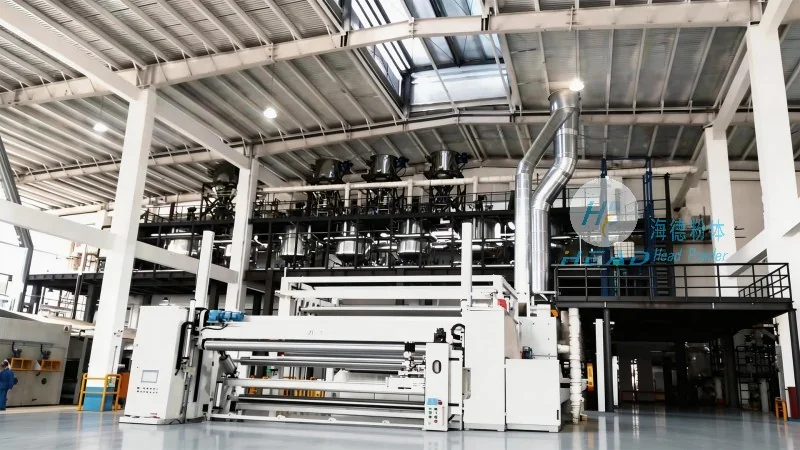
Key Characteristics of Air-Driven Transport for Sodium Stearate
Several distinct characteristics make air-driven transport an optimal choice for sodium stearate material handling. Firstly, the system offers high efficiency in terms of speed and throughput, enabling rapid transfer of large quantities of material over considerable distances. This is crucial for industrial applications where time and productivity are critical. Secondly, the pneumatic conveying method provides excellent control over the material flow, allowing for precise regulation of the transport rate and pressure. This control is essential for maintaining product quality and preventing issues such as clogging or blockages in the pipeline. Additionally, the system is highly flexible, capable of adapting to different material types and processing requirements. It can handle a wide range of particle sizes and moisture contents, making it suitable for various applications in the chemical and pharmaceutical sectors. Another notable characteristic is the reduced risk of contamination and product degradation compared to traditional mechanical conveying methods. The enclosed pipeline system minimizes exposure to external elements, ensuring that the sodium stearate remains in its original state, free from dust, moisture, or other contaminants that could affect its performance.
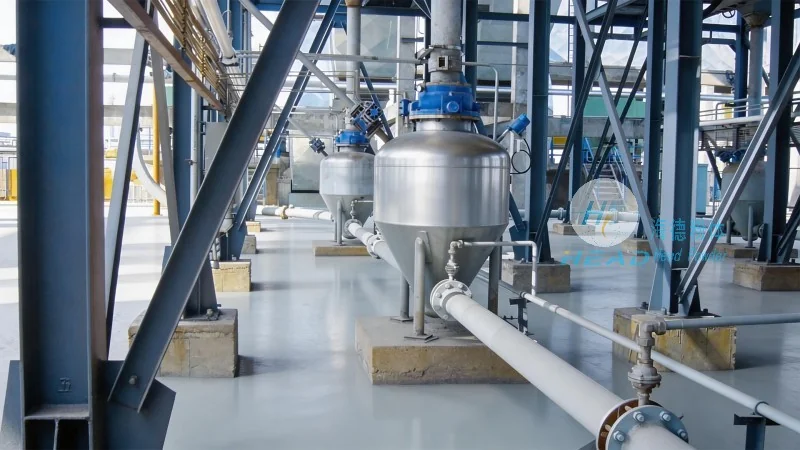
Benefits and Applications in Industrial Settings
The implementation of air-driven transport for sodium stearate offers numerous benefits that enhance operational efficiency and product quality. For instance, the system reduces labor costs by automating the material handling process, eliminating the need for manual loading and unloading. This not only improves safety in the workplace but also increases overall productivity. Furthermore, the energy efficiency of pneumatic conveying systems is a significant advantage, as they consume less power compared to traditional methods like belt conveyors or bucket elevators. This leads to lower operational costs and a smaller environmental footprint. In terms of applications, air-driven transport is widely used in the production of detergents, cosmetics, and pharmaceuticals, where sodium stearate is a key ingredient. The system ensures that the material is transported safely and efficiently from storage silos to processing units, or from production lines to packaging areas. This seamless integration of material handling into the overall production process minimizes downtime and maximizes output.
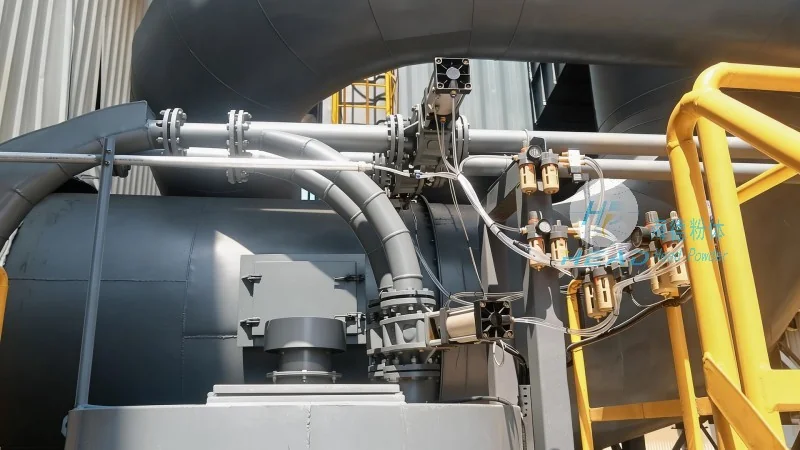
Conclusion and Company Expertise
In conclusion, the air-driven transport system for sodium stearate material is a sophisticated and efficient solution that addresses the challenges of modern industrial material handling. By leveraging pneumatic conveying principles, this technology provides a reliable, flexible, and cost-effective method for transporting sodium stearate and similar materials. At Shandong HeadPowder Engineering Co., Ltd., we have extensive experience in designing and implementing such systems, tailored to meet the specific needs of our clients. Our expertise ensures that the transport systems are optimized for performance, safety, and durability, contributing to the overall success of industrial operations. Whether for small-scale or large-scale applications, our air-driven transport solutions offer a superior alternative to traditional material handling methods, enhancing productivity and maintaining product integrity.




