Grain silos are critical components in agricultural and food processing industries, designed to store bulk materials like grains, cereals, and other dry powders. The efficient handling and transportation of these materials within the silo are essential for maintaining storage integrity, ensuring smooth operational workflows, and optimizing overall production efficiency. A key technology enabling this process is the powder conveying system, which facilitates the movement of bulk materials from storage areas to processing units or distribution points. This article explores the components, design principles, and operational aspects of grain silo powder conveying systems, with a focus on the equipment and engineering solutions provided by Shandong HeadPowder Engineering Co., Ltd.
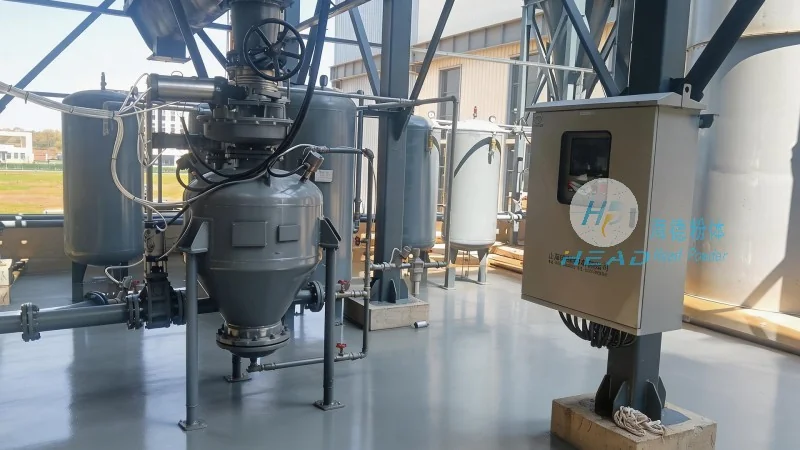
Key Components of a Grain Silo Powder Conveying System
The grain silo powder conveying system typically consists of several interconnected components that work in tandem to ensure reliable material transport. The primary components include a hopper or feeder, which collects material from the silo and feeds it into the conveying mechanism. The conveying mechanism itself can vary, with common options including pneumatic systems (using air pressure to move powder), mechanical systems (such as screw conveyors or belt conveyors), and hybrid systems that combine both pneumatic and mechanical elements. Additionally, the system may incorporate control valves, sensors, and monitoring equipment to regulate flow rates, detect blockages, and maintain optimal operating conditions. Each component is carefully selected and integrated to address the specific characteristics of the material being handled, such as particle size, moisture content, and flowability.
Design Principles for Efficient Powder Conveying
The design of a grain silo powder conveying system is guided by several fundamental principles aimed at maximizing efficiency, minimizing energy consumption, and ensuring material integrity. One of the core principles is the minimization of material degradation during transport. This involves selecting conveying methods that avoid excessive friction, impact, or pressure changes that could cause agglomeration or breakage of the powder particles. For example, pneumatic conveying systems are often preferred for delicate materials as they use low-pressure air to gently move particles, reducing the risk of damage compared to mechanical systems that rely on physical contact.
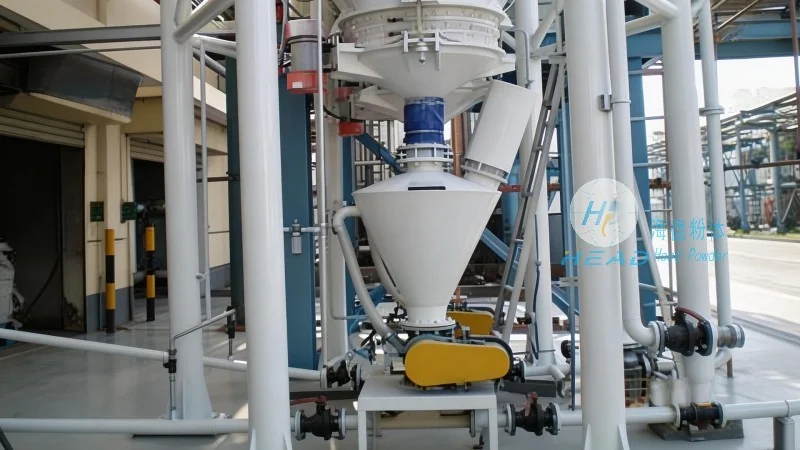
Another critical design principle is the optimization of flow dynamics. Engineers must consider the material's flow properties, including its angle of repose, bulk density, and cohesive forces, to design a system that maintains consistent flow rates without causing blockages or uneven distribution. This often involves incorporating features such as inclined chutes, vibration devices, or air-assisted feeders to promote material movement and prevent stagnation. The system's layout is also carefully planned to minimize the distance between the silo and the processing point, reducing energy losses and improving overall throughput.
Energy efficiency is a key consideration in modern powder conveying system design. By selecting appropriate conveying velocities, optimizing air pressure in pneumatic systems, and using energy-saving components like variable frequency drives (VFDs), manufacturers can reduce operational costs while maintaining performance. Additionally, the design may incorporate feedback control systems that adjust parameters in real-time based on sensor data, ensuring the system operates at peak efficiency under varying load conditions. These principles collectively contribute to a system that is not only effective but also sustainable and cost-effective for long-term use.
HeadPowder's Engineering Solutions for Grain Silo Conveying
Shandong HeadPowder Engineering Co., Ltd., a leading provider of bulk material handling solutions, specializes in designing and manufacturing advanced powder conveying systems tailored to the needs of grain silo operations. With a focus on innovation and customer-centric engineering, HeadPowder combines decades of industry experience with cutting-edge technology to deliver reliable, efficient, and durable equipment. The company's product line includes a range of conveying solutions, from basic pneumatic systems to complex hybrid systems, all engineered to meet the specific requirements of agricultural and food processing facilities.
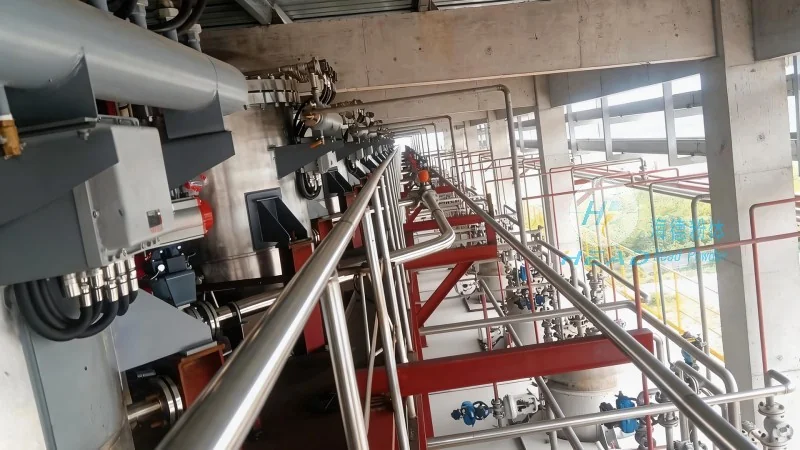
HeadPowder's engineers work closely with clients to understand their operational challenges and material characteristics, ensuring that the designed system aligns with their production goals and budget constraints. The company's commitment to quality is evident in its adherence to international standards and rigorous testing protocols, which guarantee the performance and longevity of its equipment. Each system is manufactured using high-quality materials and precision components, backed by comprehensive technical support and after-sales services to ensure seamless integration and long-term reliability.
HeadPowder's solutions are designed to address common issues in grain silo operations, such as material buildup, uneven flow, and energy inefficiencies. By leveraging its expertise in material flow dynamics and conveying technology, the company provides customized solutions that enhance operational efficiency, reduce downtime, and improve overall productivity. Whether for new silo installations or upgrades to existing systems, HeadPowder offers comprehensive engineering services that cover the entire lifecycle of the equipment, from design and installation to maintenance and troubleshooting.




