When it comes to handling copper oxide powder, an efficient and reliable conveying system is crucial for industrial applications. The copper oxide powder conveying system equipment, developed by Shandong HeadPowder Engineering Co., Ltd., represents a sophisticated solution designed to meet the demanding requirements of powder processing in various industries. This article will explore the fundamental aspects of this equipment, focusing on its design principles and operational mechanisms.
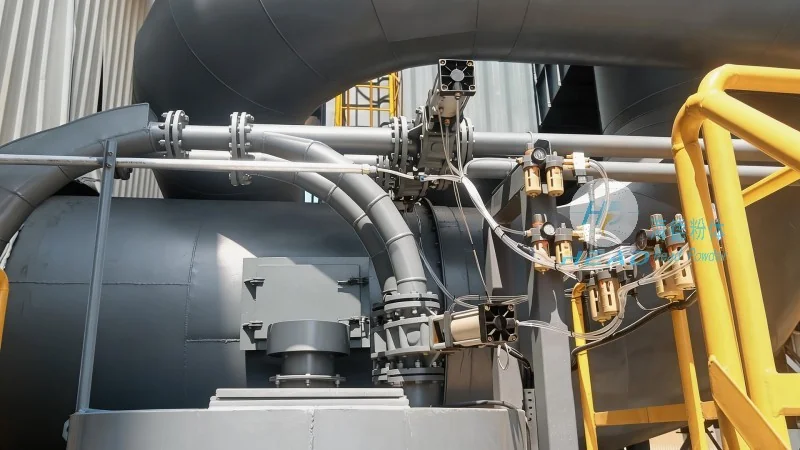
Understanding the Copper Oxide Powder Conveying System
The copper oxide powder conveying system is a specialized piece of equipment engineered to transport copper oxide powder from one location to another within industrial settings. Copper oxide is a widely used material in sectors such as electronics, ceramics, and chemical manufacturing, where its properties are leveraged for various applications. The system is designed to handle the unique characteristics of copper oxide powder, including its fine particle size, potential for static charge, and the need for contamination-free processing. By integrating advanced engineering principles, the system ensures safe, efficient, and consistent powder transfer, minimizing material loss and operational downtime.
Key Design Principles of the Conveying System
The design of the copper oxide powder conveying system is based on several critical principles that ensure optimal performance and reliability. These principles include material compatibility, energy efficiency, and operational safety. Material compatibility is paramount, as the system components must withstand the chemical and physical properties of copper oxide powder without degradation or contamination. The equipment is constructed using materials that are resistant to corrosion and wear, such as stainless steel or specialized polymers, which are commonly used in powder handling applications. Energy efficiency is another key design consideration, as the system is engineered to minimize power consumption while maintaining high conveying rates. This is achieved through the use of optimized pump designs, variable speed drives, and efficient control systems that adjust the conveying rate based on the powder flow requirements. Operational safety is integrated into every aspect of the system's design, with features like explosion-proof components, dust suppression mechanisms, and emergency stop functions to protect both personnel and equipment from potential hazards.
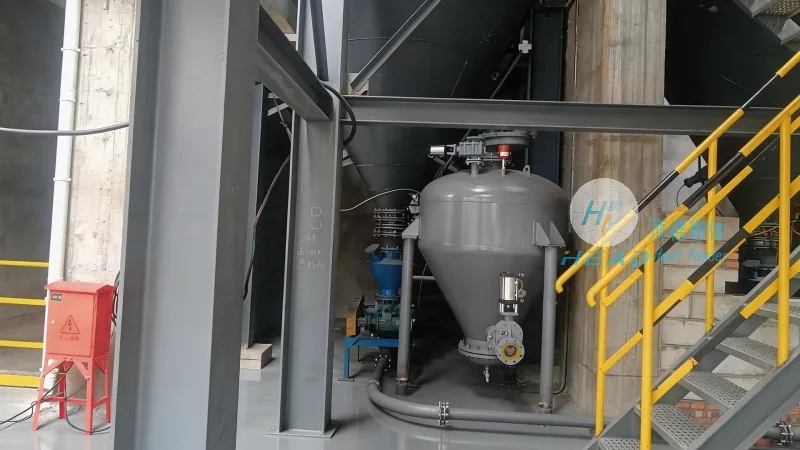
Core Components and Operational Mechanisms
The copper oxide powder conveying system consists of several interconnected components that work in harmony to achieve effective powder transport. The primary components include a hopper for material storage, a feeder to control the flow rate, a conveying mechanism (such as a pneumatic or mechanical conveyor), and a discharge unit for delivering the powder to the destination. The hopper is designed with a smooth interior surface to prevent material buildup and ensure consistent flow. The feeder, often a rotary valve or a vibratory feeder, regulates the amount of powder released into the conveying line, preventing overloading and maintaining a steady flow rate. The conveying mechanism is the heart of the system, responsible for moving the powder through the pipeline. In pneumatic conveying systems, compressed air is used to create a flow that transports the powder particles, while mechanical conveyors use rotating blades or screws to push the material forward. The discharge unit, typically a valve or a hopper, regulates the release of the powder at the end of the conveying line, ensuring controlled and safe delivery. The system also includes control panels and sensors that monitor parameters such as pressure, flow rate, and temperature, providing real-time feedback to operators and enabling automated adjustments to maintain optimal performance.
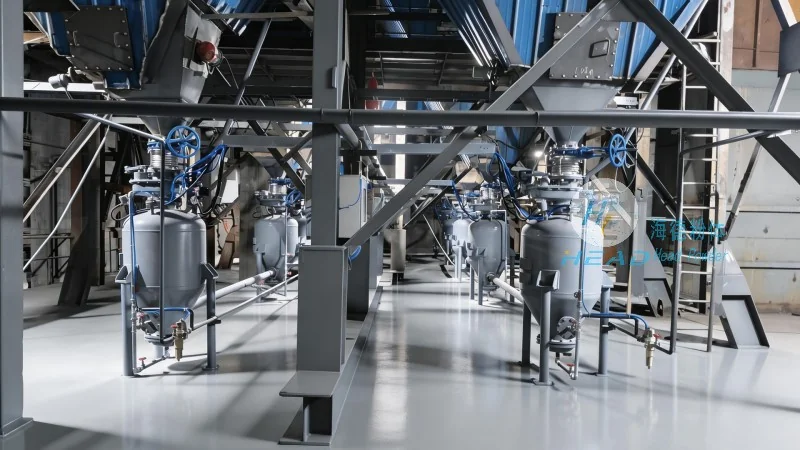
Advantages of the Copper Oxide Powder Conveying System
Implementing the copper oxide powder conveying system offers numerous advantages for industrial operations. One of the primary benefits is the reduction in material handling costs, as the system minimizes manual labor and reduces the risk of material loss during transport. The equipment also enhances operational efficiency by providing consistent and reliable powder flow, which is essential for maintaining production schedules and meeting quality standards. Additionally, the system improves safety by eliminating the need for manual handling of copper oxide powder, which can be hazardous due to its fine particle size and potential for static charge. The advanced design of the system also reduces maintenance requirements, as its components are engineered for durability and longevity. This leads to lower overall operational costs and increased productivity over the system's lifespan.
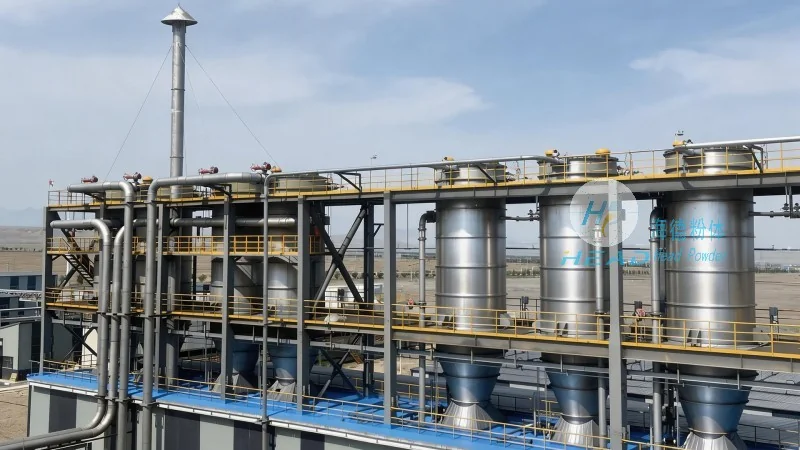
Applications and Industries Served
The copper oxide powder conveying system is widely used in various industries that rely on copper oxide powder for their manufacturing processes. In the electronics industry, copper oxide is used in the production of semiconductors and other electronic components, where the system ensures the precise delivery of powder to production lines. The ceramics industry utilizes copper oxide in the manufacturing of ceramic products, where the system helps maintain consistent powder quality and reduces contamination. In chemical manufacturing, copper oxide is used as a catalyst or raw material, and the conveying system ensures safe and efficient transport within chemical plants. The system is also applicable in research and development laboratories, where precise powder handling is critical for experimental work. By serving these diverse industries, the copper oxide powder conveying system contributes to improved product quality, reduced operational costs, and enhanced safety in powder processing applications.
Conclusion
In conclusion, the copper oxide powder conveying system equipment, designed by Shandong HeadPowder Engineering Co., Ltd., is a sophisticated and reliable solution for handling copper oxide powder in industrial settings. The system's design principles, which prioritize material compatibility, energy efficiency, and operational safety, ensure optimal performance and minimal downtime. The core components and operational mechanisms work together to provide consistent and safe powder transport, while the advantages of the system, including cost reduction and enhanced safety, make it an essential asset for industries relying on copper oxide powder. As a leader in powder handling technology, Shandong HeadPowder Engineering Co., Ltd. continues to innovate and improve its conveying systems to meet the evolving needs of the industry, providing customers with high-quality equipment that enhances their operational efficiency and product quality.




