For industries dealing with hazardous powders like hydrogen sulfide (H₂S), the selection and design of an appropriate powder handling system are critical for safety, efficiency, and compliance. This article explores the key components of a hydrogen sulfide powder handling system, focusing on the equipment used and the underlying design principles that ensure safe and effective operation.
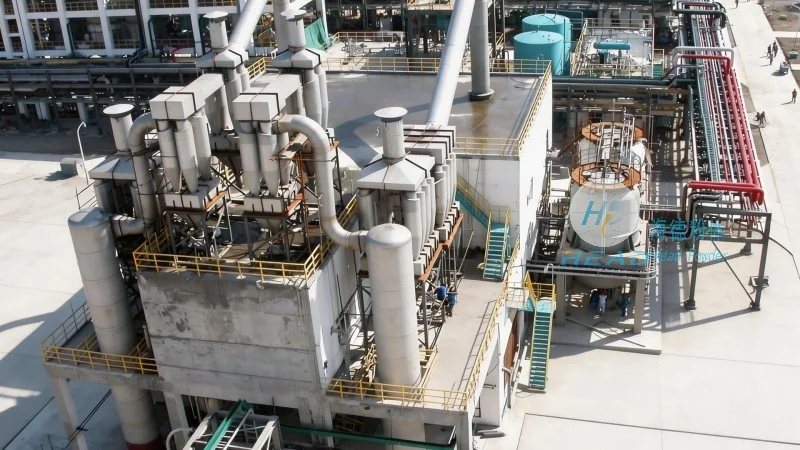
Introduction to Hydrogen Sulfide Powder Handling Systems
Hydrogen sulfide is a highly toxic and flammable gas that can be present in powder form in various industrial processes, such as mining, petrochemical, and wastewater treatment. Handling this hazardous material requires specialized equipment designed to minimize exposure risks and prevent accidents. The hydrogen sulfide powder handling system typically includes components like hoppers, feeders, conveyors, and dust collection systems, all engineered to operate safely under potentially dangerous conditions.
Key Equipment in a Hydrogen Sulfide Powder Handling System
The core of any hydrogen sulfide powder handling system is the equipment that moves and processes the material. HeadPowder, a leading manufacturer based in Shandong, China, specializes in developing customized solutions for such applications. The primary equipment includes:
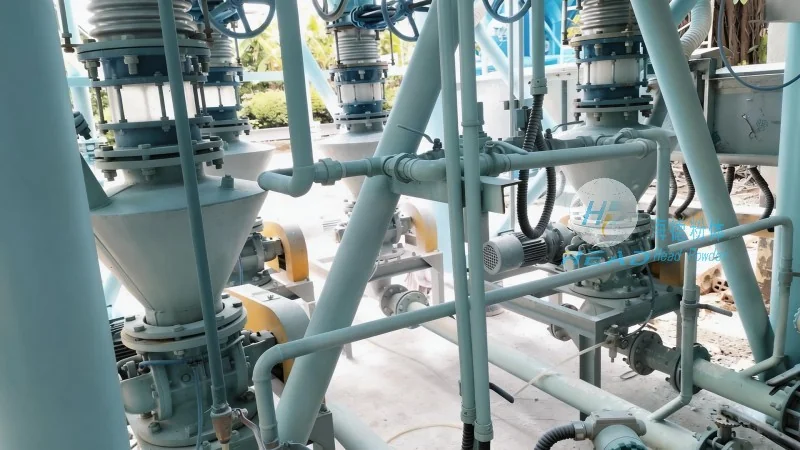
- Material Hoppers: These are large containers that store the hydrogen sulfide powder before it is fed into the system. They are designed with sloped sides to facilitate smooth discharge and often include internal liners or coatings to resist corrosion from the acidic nature of H₂S.
- Pneumatic Feeders: Pneumatic feeders use compressed air to move the powder from the hopper to the conveyor system. This method is preferred for hazardous materials as it eliminates mechanical parts that could generate sparks or friction, reducing the risk of ignition.
- Pneumatic Conveyors: These systems transport the powder through a network of pipes using air pressure. There are two main types: dilute phase (for high-speed, low-volume transport) and dense phase (for low-speed, high-volume transport). The choice depends on the material's properties and the distance it needs to be moved.
- Dust Collection and Filtration Systems: As the powder is handled, dust can be generated, posing inhalation risks. High-efficiency particulate air (HEPA) filters and explosion-proof dust collectors are essential to capture and neutralize any airborne particles, ensuring a safe working environment.
Design Principles for Safe and Efficient Operation
The design of a hydrogen sulfide powder handling system follows several critical principles to ensure safety and performance. First, explosion protection is paramount. The system must be designed to prevent the accumulation of explosive dust-air mixtures. This includes using explosion-proof motors, spark-proof components, and proper ventilation to dilute any potential explosive gases.
Second, corrosion resistance is essential due to the acidic nature of hydrogen sulfide. Materials such as stainless steel, special alloys, or coated components are used to protect equipment from chemical attack, extending its lifespan and maintaining operational integrity.
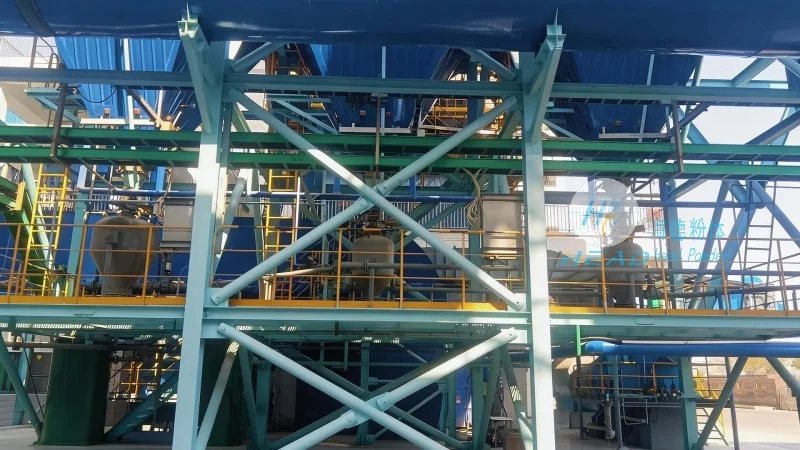
Third, sealing and containment is crucial to prevent leaks and exposure. All connections, joints, and transfer points are designed with tight seals to minimize the risk of H₂S escaping into the environment. This includes using double-seal feeders and positive pressure systems to maintain a safe internal pressure.
Fourth, monitoring and control systems are integrated to ensure real-time safety. Sensors for gas levels, temperature, and pressure are connected to alarms and emergency shutdown systems. This allows operators to detect and respond to potential hazards quickly, preventing accidents before they escalate.
Customization and Application Considerations
Each hydrogen sulfide powder handling system is tailored to the specific needs of the application. HeadPowder Engineering Co., Ltd., with its headquarters in Shandong, China, works closely with clients to understand their unique requirements, such as the type of powder, processing volume, and environmental regulations. The company provides comprehensive solutions that include not only the equipment but also engineering services, installation, and maintenance support.
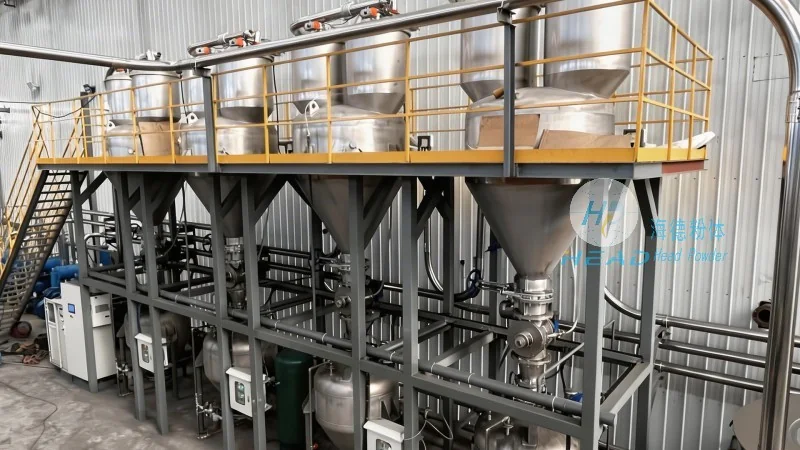
For example, in mining operations where hydrogen sulfide is present in ore processing, the system may need to handle large volumes of material over long distances. In such cases, dense phase pneumatic conveyors are often used to maintain control over the material flow and prevent clogging. Conversely, in smaller-scale applications like laboratory processing, a compact system with a smaller hopper and shorter conveyor might be sufficient.
Conclusion
Designing and implementing a hydrogen sulfide powder handling system requires a deep understanding of both the material's properties and the safety standards governing hazardous material handling. By adhering to principles of explosion protection, corrosion resistance, and strict containment, industries can safely process this dangerous material while maintaining operational efficiency. Companies like HeadPowder Engineering Co., Ltd. play a vital role in providing the specialized equipment and expertise needed to ensure these systems operate safely and reliably.




