HeadPowder, a leading engineering firm based in Shandong, China, specializes in the design and implementation of advanced pneumatic conveying systems for various industrial applications. For industries dealing with sulfur pellets, the proper design of a pneumatic conveying system is crucial to ensure efficient material handling, minimize operational costs, and maintain product quality. This article outlines key design considerations for sulfur pellet pneumatic conveying systems, providing insights into the technical and practical aspects that engineers and facility managers should evaluate during the planning phase.
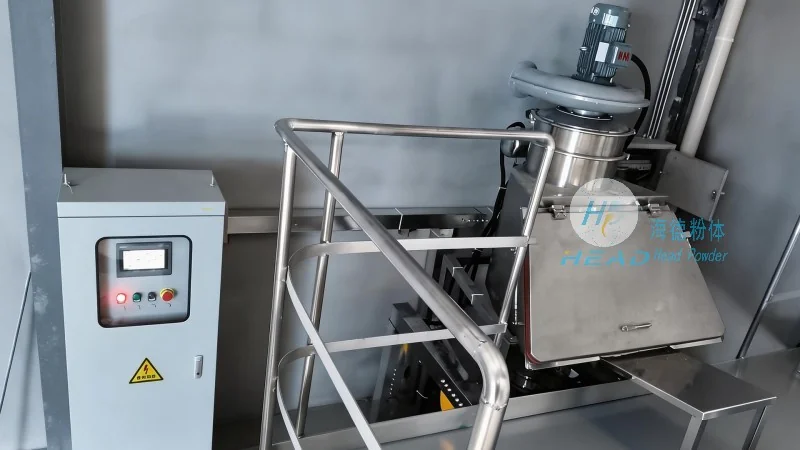
When designing a sulfur pellet pneumatic conveying system, several critical factors must be considered to achieve optimal performance and reliability. The first step is to assess the material characteristics of the sulfur pellets, including their bulk density, particle size distribution, and flowability. These properties directly influence the selection of the conveying method—whether it's a positive pressure, negative pressure, or a combination of both. For sulfur pellets, which are typically free-flowing but can be dusty, a positive pressure system is often preferred as it offers better control over dust generation and material flow.
Another essential consideration is the system's capacity and flow rate requirements. The design must accommodate the desired throughput, ensuring that the system can handle the expected volume of sulfur pellets without causing excessive pressure drops or material degradation. This involves calculating the required air velocity and pressure to maintain a stable flow of pellets through the conveying lines. Engineers must also consider the length and layout of the conveying lines, as these factors impact the overall energy consumption and system efficiency. Properly sized ductwork and appropriate bends and fittings are crucial to minimize pressure losses and prevent material buildup or blockages.
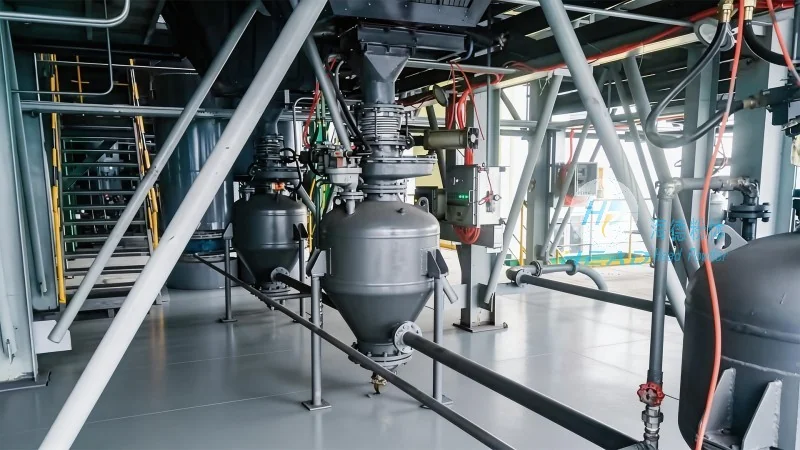
Gas source selection is a critical design element that directly impacts the system's performance and cost. The choice between compressed air, steam, or a dedicated air compressor depends on the specific application and available resources. Compressed air systems are common for small to medium-sized operations due to their flexibility and ease of integration. However, for high-capacity systems, a dedicated air compressor may be more efficient, as it can provide consistent pressure and flow rates. The air quality is also important, as sulfur pellets can be corrosive, and the gas source must be filtered to remove contaminants that could damage the system components or affect product purity.
Equipment selection, including the feeder, cyclone separator, and dust collector, plays a vital role in the system's effectiveness. The feeder must be capable of handling the bulk density and flow characteristics of sulfur pellets, ensuring a consistent feed rate to the conveying line. A well-designed feeder prevents material bridging and ensures smooth material transfer. The cyclone separator is used to separate the pellets from the air stream, and its design must be optimized for the particle size and density of the sulfur pellets to achieve high separation efficiency. The dust collector, typically a baghouse or cartridge filter, is essential for capturing any fine particles that escape the cyclone, protecting the environment and maintaining air quality compliance.
Control systems and automation are increasingly important in modern pneumatic conveying systems, as they enhance operational efficiency and reduce human error. Automated controls can monitor and adjust the system parameters in real-time, such as air pressure, flow rate, and material feed rate, to maintain optimal performance. This not only improves system reliability but also reduces maintenance costs by preventing overloading or underloading of the equipment. Additionally, advanced monitoring systems can provide early warnings of potential issues, such as blockages or pressure drops, allowing for timely maintenance and minimizing downtime.
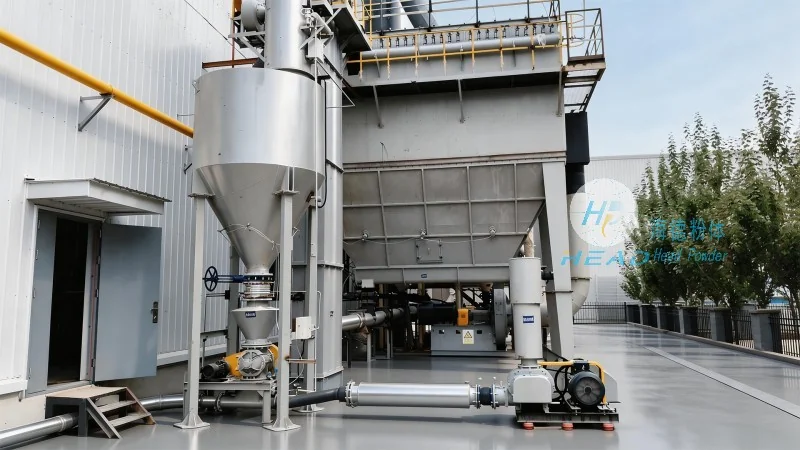
Installation and maintenance considerations are equally important to ensure the long-term performance of the sulfur pellet pneumatic conveying system. Proper installation involves aligning the ductwork, ensuring proper sealing to prevent air leaks, and positioning the equipment to facilitate maintenance access. Regular maintenance is crucial to keep the system operating at peak efficiency. This includes cleaning the cyclone separator and dust collector, inspecting the feeder and conveying lines for wear or damage, and checking the air compressor or compressed air system for proper operation. A well-maintained system not only extends its lifespan but also reduces the risk of material loss or system failures.
HeadPowder, with its extensive experience in industrial engineering, provides comprehensive design, manufacturing, and installation services for sulfur pellet pneumatic conveying systems. By adhering to these design considerations, industries can achieve efficient and reliable material handling, reducing operational costs and improving overall productivity. The company's expertise in customizing systems to meet specific application requirements ensures that clients receive tailored solutions that address their unique needs. Whether for new installations or system upgrades, HeadPowder is committed to delivering high-quality, reliable pneumatic conveying systems that meet the highest standards of performance and safety.




