Wheat flour powder conveying systems are essential in the food processing and industrial sectors, designed to efficiently transport bulk wheat flour from storage to processing units. These systems are engineered to maintain product integrity, minimize dust generation, and ensure consistent flow rates. The operation of such systems involves a series of interconnected components that work in harmony to achieve reliable and safe material handling. In this article, we will explore the detailed operation process and working principles of a typical wheat flour powder conveying system, highlighting the key elements and their functions, as developed by Shandong HeadPowder Engineering Co., Ltd.
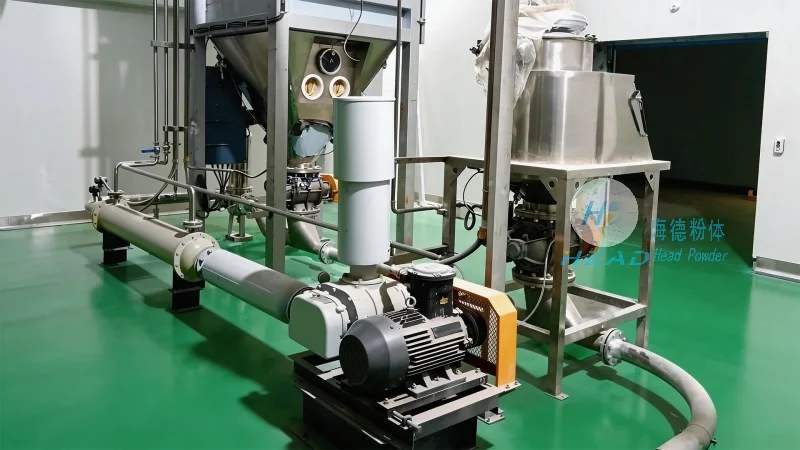
Key Components of a Wheat Flour Powder Conveying System
The core components of a wheat flour powder conveying system typically include a hopper for material storage, a feeding mechanism to control the flow of flour, a conveying device (such as a pneumatic or mechanical conveyor), and a control system to regulate the entire process. The hopper is designed to hold a large volume of wheat flour, ensuring a steady supply to the conveyor. The feeding mechanism, often a rotary valve or a screw feeder, regulates the amount of flour entering the conveyor, preventing overloading and maintaining consistent flow. The conveying device, which can be pneumatic (using air pressure to move flour through pipes) or mechanical (using belts or screws), transports the flour from the hopper to the processing area. The control system, equipped with sensors and automation technology, monitors the flow rate, pressure, and other parameters to ensure optimal performance and safety.
Operation Process of Wheat Flour Powder Conveying Systems
The operation process of a wheat flour powder conveying system begins with the loading of wheat flour into the hopper. The flour is then fed into the conveying device through the feeding mechanism. In a pneumatic system, compressed air is used to create a pressure differential that propels the flour through the pipeline. The flour travels through the pipeline, maintaining a consistent velocity to prevent segregation or caking. The conveying device may include bends, elbows, and filters to ensure smooth flow and prevent blockages. At the receiving end, the flour is discharged into a silo or processing unit. The control system continuously monitors the system's performance, adjusting the air pressure or feeding rate as needed to maintain stable operation. This process ensures that the wheat flour is transported efficiently and safely, minimizing downtime and maximizing productivity.
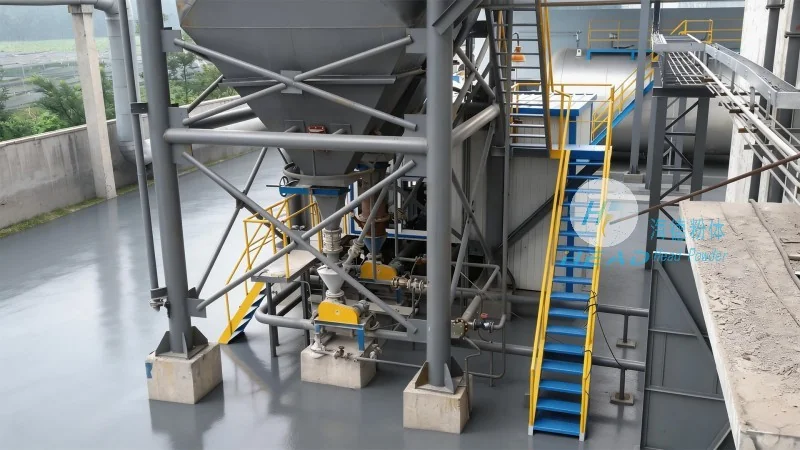
Working Principles of Wheat Flour Powder Conveying Systems
The working principles of wheat flour powder conveying systems are based on the principles of fluidization and pneumatic transport. In pneumatic systems, the flour is suspended in a stream of air, creating a fluidized state that allows it to be moved through the pipeline. The air pressure is carefully controlled to maintain the proper velocity, ensuring that the flour particles do not settle or clog the system. Mechanical conveyors, on the other hand, use mechanical forces such as gravity or screw rotation to move the flour. The screw conveyor, for example, uses a rotating screw to push the flour forward, while the belt conveyor uses a moving belt to transport the material. Both systems rely on the design of the components to ensure efficient and reliable operation. The control system plays a crucial role in maintaining the stability of the system by monitoring key parameters and making real-time adjustments. This ensures that the wheat flour is conveyed without loss of quality or contamination.
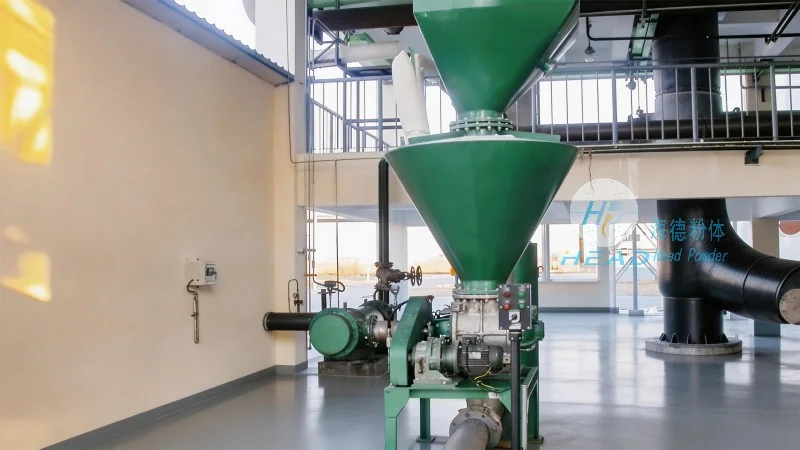
Benefits of Using Wheat Flour Powder Conveying Systems
Wheat flour powder conveying systems offer several benefits in industrial applications. First, they provide a dust-free and hygienic environment, which is critical in food processing facilities. The enclosed design of the system prevents flour dust from escaping into the air, reducing the risk of contamination and improving workplace safety. Second, these systems offer high efficiency and reliability, with minimal downtime due to maintenance. The automated control system ensures that the conveyor operates continuously, maximizing production output. Third, the systems are designed to handle large volumes of wheat flour, making them suitable for high-capacity processing plants. The flexibility of the system allows it to be adjusted to meet different production requirements, such as varying flow rates or material types. Finally, the use of advanced materials and engineering ensures that the system is durable and long-lasting, reducing the need for frequent replacements.
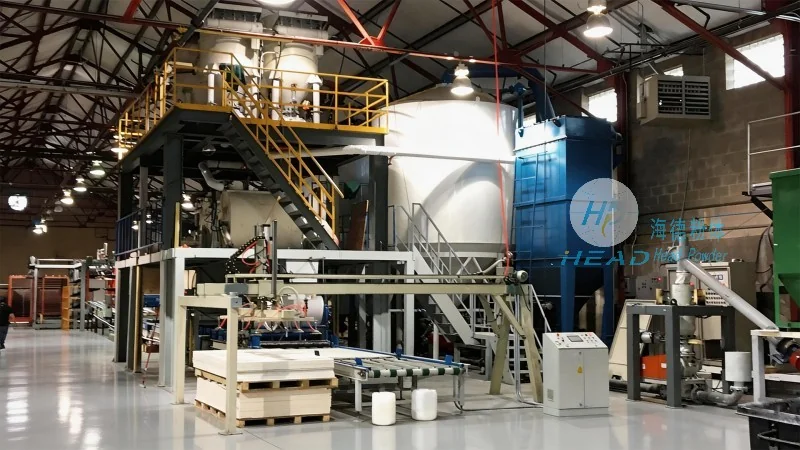
Applications of Wheat Flour Powder Conveying Systems
Wheat flour powder conveying systems are widely used in various industries, including food processing, pharmaceuticals, and chemical manufacturing. In the food industry, these systems are used to transport wheat flour from storage to baking and milling operations. The systems are also used in the production of bread, pastries, and other baked goods, where consistent flour quality is essential. In the pharmaceutical industry, the systems are used to transport raw materials, such as wheat flour, to production lines, ensuring that the materials are handled in a sterile and controlled environment. In the chemical industry, the systems are used to transport bulk powders, such as wheat flour, to processing units, where they are used as raw materials for various products. The versatility of the wheat flour powder conveying system makes it a valuable asset in many industrial applications.
Conclusion
Wheat flour powder conveying systems are critical components in the efficient and safe handling of wheat flour in industrial settings. The operation process involves a series of interconnected components that work together to transport the flour from storage to processing units. The working principles are based on fluidization and pneumatic transport, ensuring that the flour is moved efficiently and without loss of quality. The benefits of using these systems include dust-free operation, high efficiency, and reliability. The applications of the system are widespread, covering various industries such as food processing and pharmaceuticals. As technology advances, these systems continue to evolve, incorporating more automation and advanced materials to meet the growing demands of industrial production. The use of wheat flour powder conveying systems is essential for maintaining high productivity and product quality in modern industrial operations.




