Aluminum battery powder conveying systems are critical components in the manufacturing and processing of aluminum battery materials. The efficient operation of these systems directly impacts production efficiency, material quality, and overall system reliability. Understanding the operation process and working principle is essential for optimizing performance and ensuring smooth production workflows.
Overview of Aluminum Battery Powder Conveying Systems
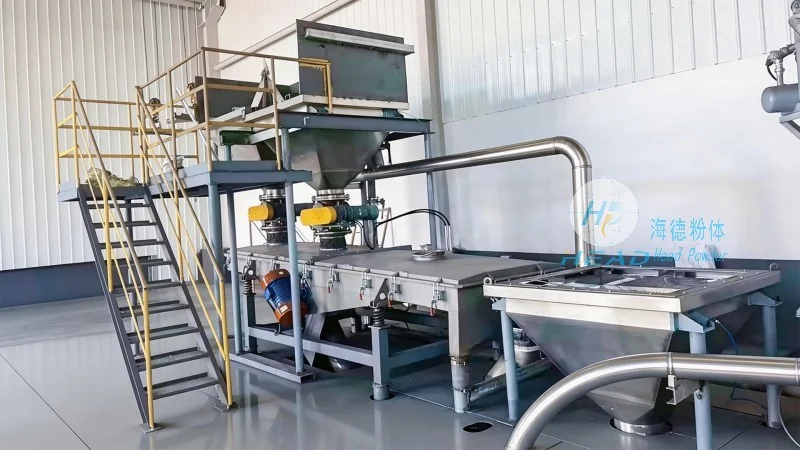
Aluminum battery powder conveying systems are engineered to handle the unique characteristics of aluminum battery powders, such as their fine particle size, high reactivity, and potential for static charge. These systems are designed to transport powders from storage silos or hoppers to processing equipment, such as mixers, extruders, or coating machines, with minimal loss and maximum control. The systems typically consist of several key components, including feeders, conveyors, control valves, and dust collection units, all working in tandem to achieve consistent and reliable material flow.
Key Components and Their Functions
The core components of an aluminum battery powder conveying system include:
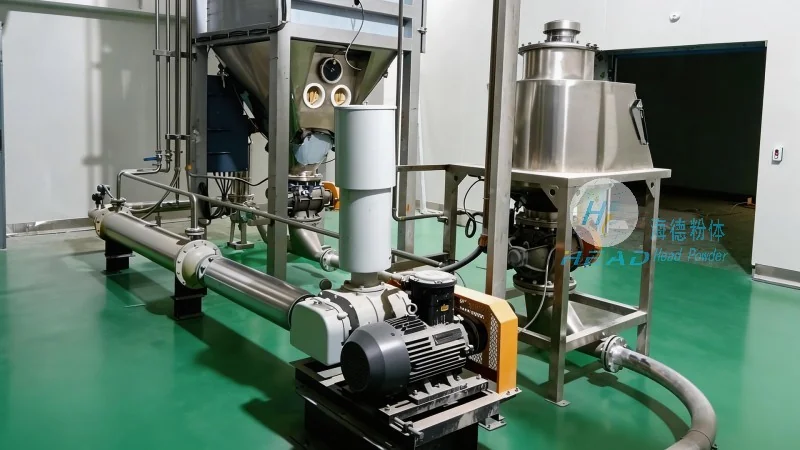
- Feeder: A device that regulates the flow rate of the powder from the storage container. Common types include rotary valves, vibratory feeders, and screw feeders, each suited to different powder properties and flow rates.
- Conveyor: The mechanism that transports the powder through the system. Options include pneumatic conveyors (air-assisted), mechanical conveyors (belt or screw), and hybrid systems. Pneumatic conveyors are often preferred for aluminum battery powders due to their ability to handle fine powders and minimize material degradation.
- Control Valves: Used to regulate the flow direction, pressure, and volume of the powder. These valves ensure precise control over the material movement, preventing overloading or underflow in the processing equipment.
- Dust Collection: Essential for maintaining a clean and safe working environment. These systems capture airborne particles and return them to the conveying line, reducing dust emissions and protecting personnel.
Operation Process: Step-by-Step
The operation of an aluminum battery powder conveying system follows a systematic process to ensure efficient material transfer:
- Powder Loading: The aluminum battery powder is loaded into the storage silo or hopper. Proper storage conditions, such as moisture control and static prevention, are maintained to preserve powder quality.
- Feeder Activation: The feeder is activated to start the material flow. The feeder controls the initial rate of powder release, ensuring a consistent feed to the conveyor.
- Powder Transport: The conveyor system transports the powder from the feeder to the processing equipment. Pneumatic conveyors use compressed air to create a flow path, while mechanical conveyors rely on physical movement (e.g., belts or screws).
- Flow Regulation: Control valves adjust the pressure and flow rate as needed to match the requirements of the downstream processing equipment. This ensures that the powder is delivered at the correct rate and pressure.
- Dust Management: The dust collection system captures any airborne particles, preventing contamination and maintaining a safe environment.
- System Monitoring: Real-time monitoring of key parameters, such as flow rate, pressure, and temperature, allows operators to detect and address any issues promptly, ensuring optimal system performance.
Working Principle: How It Works
The working principle of aluminum battery powder conveying systems is based on the transfer of material from a source to a destination using a combination of mechanical and pneumatic forces. The system operates by creating a pressure differential between the inlet and outlet of the conveyor, which drives the powder flow. For pneumatic systems, compressed air is introduced into the conveying line, creating a flow of air and powder particles. The air velocity is maintained above the minimum required to keep the powder suspended, preventing clogging and ensuring smooth transport.
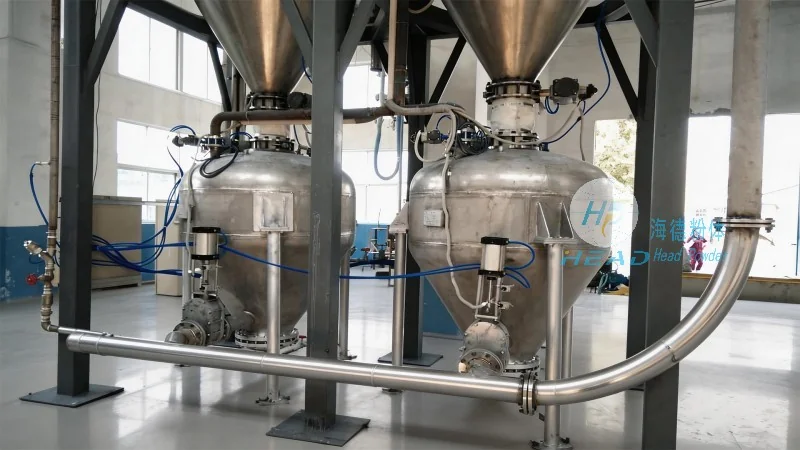
For mechanical systems, the conveyor mechanism (e.g., a screw or belt) physically moves the powder through the system. The speed and design of the conveyor are optimized to handle the specific characteristics of aluminum battery powders, such as their fine particle size and potential for agglomeration. The system also incorporates control mechanisms to regulate the flow, ensuring that the powder is delivered at the correct rate and without excessive pressure or friction.
Benefits of Efficient Aluminum Battery Powder Conveying
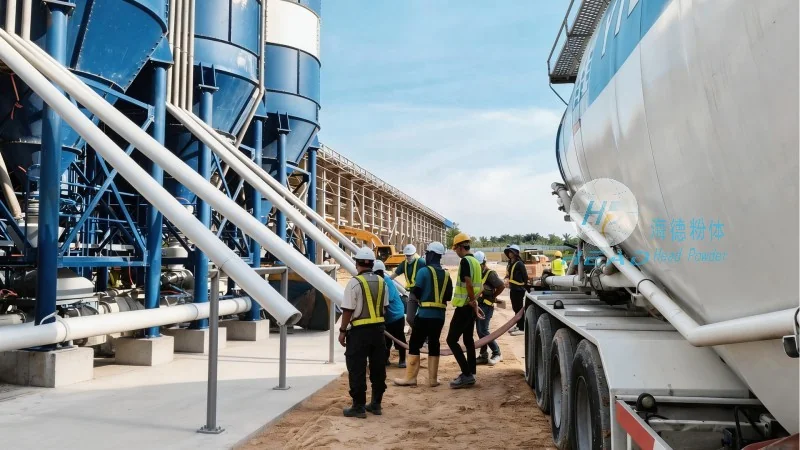
Effective operation of aluminum battery powder conveying systems offers several key benefits for manufacturers:
- Improved Production Efficiency: Consistent and reliable material flow reduces downtime and increases overall production throughput.
- Enhanced Material Quality: Minimized material degradation and contamination ensure that the aluminum battery powders meet quality standards for downstream processing.
- Reduced Downtime: Real-time monitoring and control allow for quick detection and resolution of issues, preventing extended production interruptions.
- Safe Working Environment: Proper dust collection and control measures maintain a safe and healthy workplace for operators.
Conclusion
Understanding the operation process and working principle of aluminum battery powder conveying systems is crucial for optimizing performance and ensuring efficient production. By leveraging advanced components and control systems, manufacturers can achieve consistent material flow, maintain quality standards, and enhance overall operational efficiency. The expertise of companies like Shandong HeadPowder Engineering Co., Ltd. plays a vital role in designing and implementing effective powder conveying solutions tailored to the specific needs of aluminum battery production.




