Sawdust and wood flakes powder conveying systems are critical in industries focused on wood processing, biomass energy production, and related applications. These systems are engineered to move fine powders like sawdust and wood flakes efficiently and safely. Grasping the mechanics behind these systems, including their design principles, is essential for optimizing performance and ensuring operational reliability.
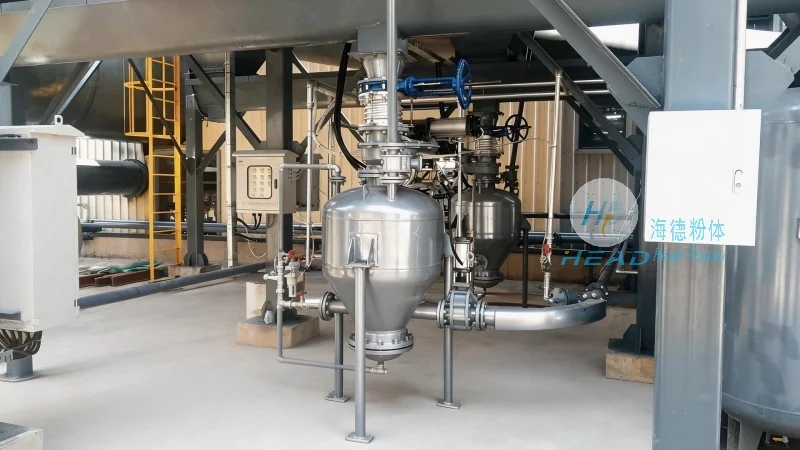
Introduction to Sawdust and Wood Flakes Powder Conveying
Powder conveying, particularly for sawdust and wood flakes, involves transporting lightweight, fine particles from one location to another. These materials are often byproducts of woodworking operations, making their efficient handling vital for maintaining productivity and reducing waste. The process of conveying these materials requires specialized equipment and systems that can manage the unique properties of sawdust and wood flakes, such as their tendency to agglomerate, variable moisture content, and potential for dust generation.
Key Components of a Sawdust and Wood Flakes Powder Conveying System
A typical sawdust and wood flakes powder conveying system comprises several key components that function together to ensure effective material transport. These components include feeders, conveyors, and control systems, each with a vital role in the overall operation. Feeders are responsible for uniformly feeding the sawdust or wood flakes into the conveyor system, ensuring a consistent flow rate. Conveyors, such as pneumatic or mechanical types, then transport the material through the system. Control systems monitor and adjust the operation to maintain optimal performance and prevent issues like blockages or overloading.
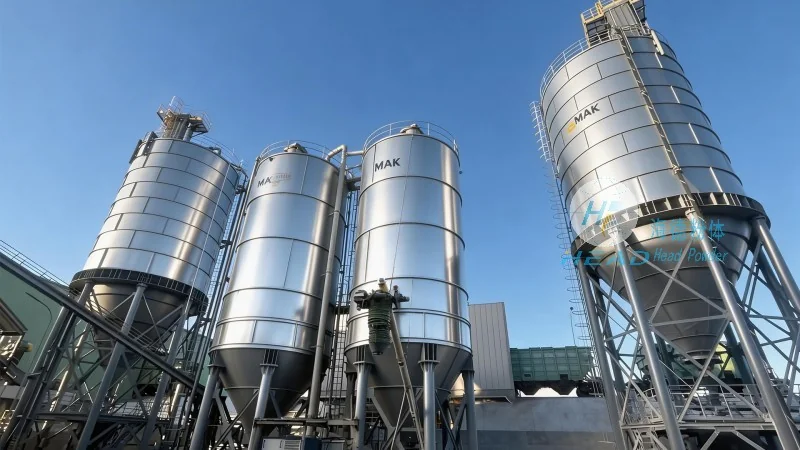
Design Principles for Efficient Sawdust and Wood Flakes Powder Conveying
The design of a sawdust and wood flakes powder conveying system is guided by several key principles aimed at maximizing efficiency, safety, and reliability. One primary principle is the consideration of material properties, as sawdust and wood flakes have distinct characteristics affecting their behavior during transport. For instance, their low bulk density and tendency to create dust require systems with appropriate air flow or mechanical force to prevent clogging and ensure smooth movement. Another critical principle is the selection of appropriate equipment, such as high-efficiency feeders and conveyors that can handle the specific challenges posed by these materials. Additionally, the system design must incorporate features to manage dust and moisture, as these factors can significantly impact the performance and longevity of the equipment.
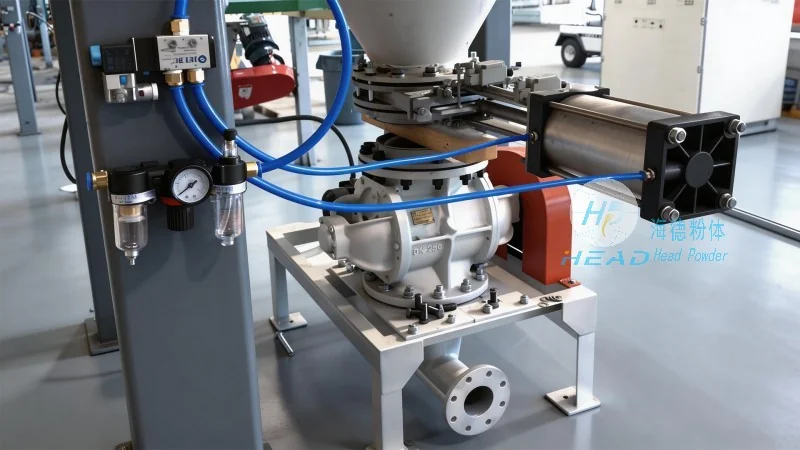
Application of Sawdust and Wood Flakes Powder Conveying in Industrial Settings
Sawdust and wood flakes powder conveying systems are widely used in various industrial applications, including biomass energy production, wood pellet manufacturing, and particle board production. In biomass energy facilities, these systems are crucial for transporting sawdust and wood flakes to combustion or gasification units, where they are used as fuel. In wood pellet plants, the conveying systems ensure that raw materials are efficiently moved to processing equipment, such as pelletizers. Similarly, in particle board manufacturing, the systems help transport wood flakes to the press and other processing stages. The effectiveness of these systems directly impacts the productivity and cost-efficiency of these industrial processes.
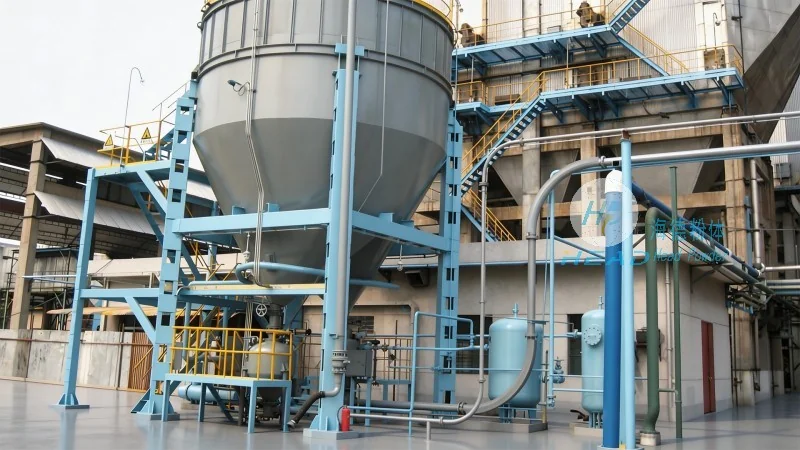
Advantages of Using Specialized Conveying Systems for Sawdust and Wood Flakes
Employing specialized conveying systems for sawdust and wood flakes offers several advantages over traditional methods. These systems are designed to handle the unique challenges associated with these materials, such as their tendency to create dust and agglomerate. By using appropriate equipment, such as pneumatic conveyors with high air flow rates or mechanical conveyors with smooth surfaces, the risk of blockages and material loss is significantly reduced. Additionally, specialized systems can improve the overall efficiency of material handling, reducing downtime and maintenance costs. Furthermore, these systems help maintain a clean and safe working environment by effectively controlling dust and preventing contamination of the processed materials.
Conclusion: The Importance of Understanding Sawdust and Wood Flakes Powder Conveying Design
In conclusion, sawdust and wood flakes powder conveying systems are vital components in industries that rely on wood processing and biomass utilization. The design principles behind these systems are critical for ensuring efficient, safe, and reliable operation. By understanding the key components, material properties, and application requirements, industries can select and implement the most suitable conveying systems for their needs. As the demand for sustainable materials and energy continues to grow, the importance of efficient powder conveying systems will only increase, making it essential for businesses to invest in well-designed and maintained systems. Shandong HeadPowder Engineering Co., Ltd. specializes in providing engineering solutions for powder handling and material transport, helping industries optimize their operations and meet the evolving demands of the market.




