HeadPowder, a leading provider of advanced material handling solutions, specializes in the design and implementation of efficient pneumatic conveying systems tailored for lithium-ion battery production and processing. This article provides an in-depth look at the principles and operational mechanics of pneumatic conveying systems, with a focus on their application in lithium-ion battery manufacturing.
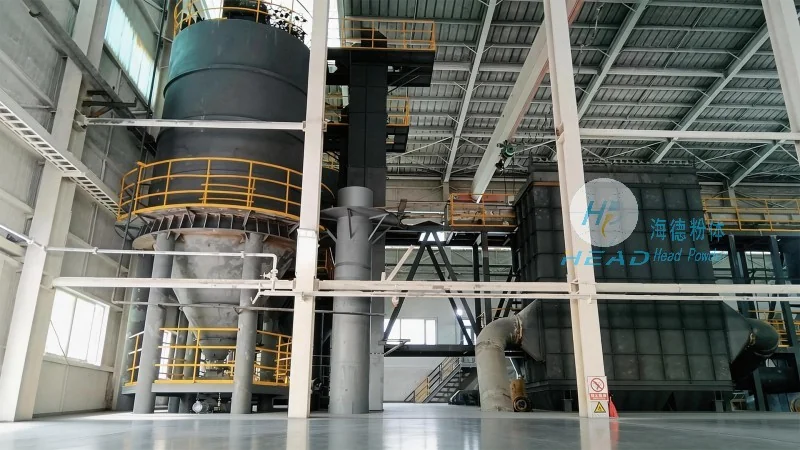
Understanding Pneumatic Conveying Systems
Pneumatic conveying systems utilize air or other gases to transport bulk materials, such as lithium-ion battery components, powders, or granules, from one location to another. These systems are widely adopted in the battery industry due to their ability to handle delicate materials with minimal product degradation, ensuring high-quality output and operational efficiency. The core components of a typical pneumatic conveying system include a material feed hopper, a conveying line (often equipped with airlocks or rotary valves), a dust collector, and a discharge outlet. The system operates by creating a pressure differential between the inlet and outlet, allowing air to flow through the conveying line and carry the material particles along with it.
Key Components and Their Functions in Lithium-Ion Battery Pneumatic Conveying
Each component of the pneumatic conveying system plays a critical role in ensuring smooth and efficient material transport. The material feed hopper is designed to store and feed the bulk material into the system, maintaining a consistent flow rate. Airlocks or rotary valves are used to control the discharge of material from the hopper, preventing backflow and ensuring a steady supply to the conveying line. The conveying line, often made of stainless steel or other corrosion-resistant materials, is designed to withstand the abrasive nature of battery powders and maintain hygiene standards. The dust collector is essential for capturing and filtering airborne particles, ensuring compliance with environmental regulations and maintaining a clean working environment. The discharge outlet is where the material is released into the next processing stage, such as mixing or packaging.
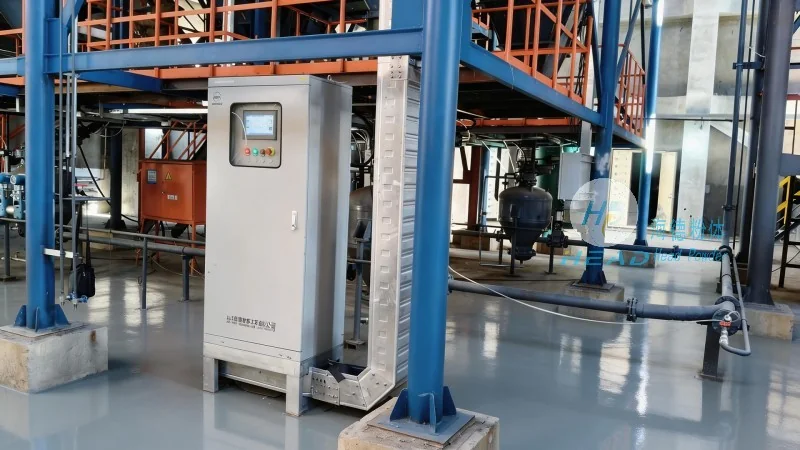
Operational Principles of Pneumatic Conveying for Lithium-Ion Batteries
The operation of a pneumatic conveying system for lithium-ion batteries involves several key steps. First, the bulk material is fed into the hopper from a storage silo or container. The material is then discharged into the conveying line through an airlock or rotary valve, which regulates the flow rate. Compressed air is introduced into the conveying line, creating a pressure differential that propels the material particles forward. The air velocity is maintained at a level sufficient to keep the particles suspended. The air and material mixture travels through the line, with the air being separated from the material at the discharge end, often using a cyclone or bag filter. The material is collected for further processing, while the air is filtered and recycled back into the system, reducing energy consumption and operational costs.
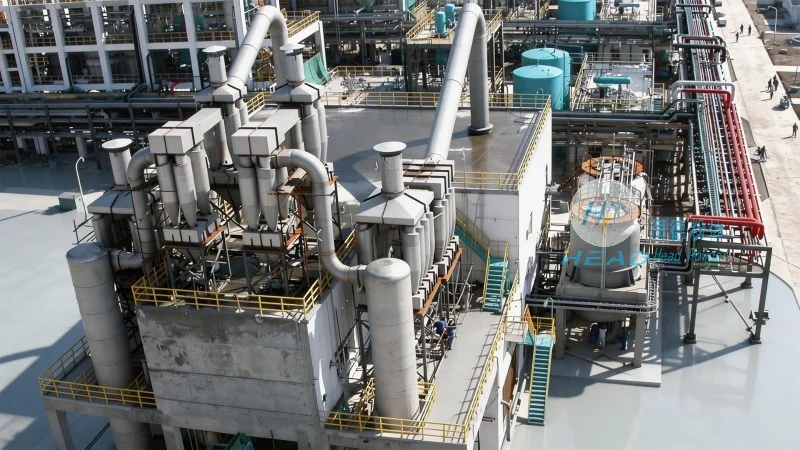
Advantages of Pneumatic Conveying in Lithium-Ion Battery Manufacturing
Pneumatic conveying systems offer several advantages over traditional mechanical conveying methods in lithium-ion battery production. These include: 1) Reduced product contamination and degradation due to minimal contact with equipment surfaces; 2) Increased operational flexibility, as systems can be easily reconfigured to handle different material types or production volumes; 3) Lower labor costs, as automated systems require less manual intervention; 4) Improved safety, as the enclosed system prevents dust exposure and reduces the risk of fire or explosion in flammable materials. Additionally, pneumatic conveying systems are highly scalable, allowing manufacturers to expand their production capacity without significant changes to the existing infrastructure.
HeadPowder's Expertise in Lithium-Ion Battery Pneumatic Conveying Solutions
Shandong HeadPowder Engineering Co., Ltd., commonly known as HeadPowder, is a trusted partner in the battery industry, providing customized pneumatic conveying solutions that meet the specific needs of lithium-ion battery manufacturers. With years of experience in material handling and process engineering, HeadPowder's team of experts works closely with clients to design and implement systems that optimize production efficiency, minimize downtime, and ensure product quality. The company's solutions are tailored to handle various battery components, including cathode materials, anode powders, and electrolyte solutions, ensuring that each step of the manufacturing process is supported by reliable and efficient material transport. HeadPowder's commitment to innovation and quality has made it a leading provider of pneumatic conveying systems for the lithium-ion battery sector, helping manufacturers achieve their production goals while maintaining compliance with industry standards and regulations.




