HeadPowder, a leading provider in the field of powder handling technology, specializes in the design and implementation of dilute phase powder conveying systems. This article aims to explain the fundamental concepts of such systems and outline the key design principles that ensure efficient and reliable material transport. By understanding these elements, industries can better select and optimize equipment for their specific powder handling needs.
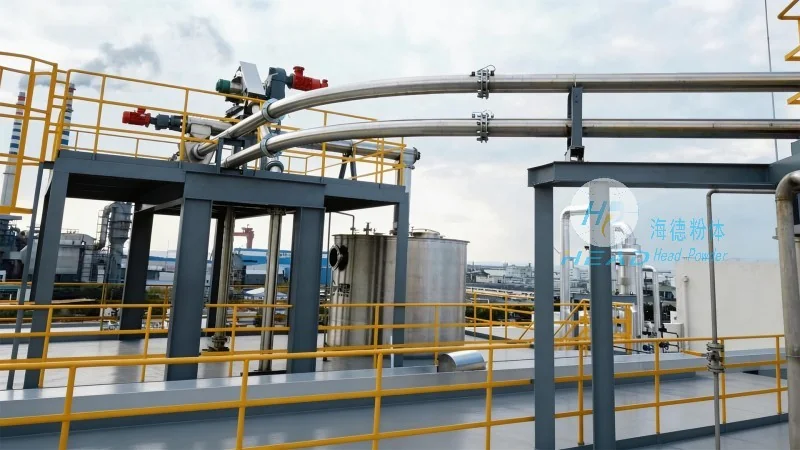
Understanding Dilute Phase Powder Conveying Systems
A dilute phase powder conveying system is a method used to transport dry powders or granular materials through a pipeline using a high-velocity gas stream. Unlike dense phase systems where the material forms a plug or slurry, dilute phase systems maintain the material in a dispersed state, allowing for faster and more energy-efficient transport over longer distances. The primary goal is to move bulk materials from one location to another with minimal loss, reduced maintenance, and consistent performance.
Key Design Principles for Dilute Phase Systems
The effectiveness of a dilute phase powder conveying system relies on several critical design principles. First, the selection of an appropriate gas velocity is paramount. The velocity must be high enough to keep the powder particles suspended in the gas stream but not so high as to cause excessive pressure drop or equipment wear. Typically, velocities range from 20 to 30 meters per second for most powders, though this can vary based on particle size, density, and flow characteristics.
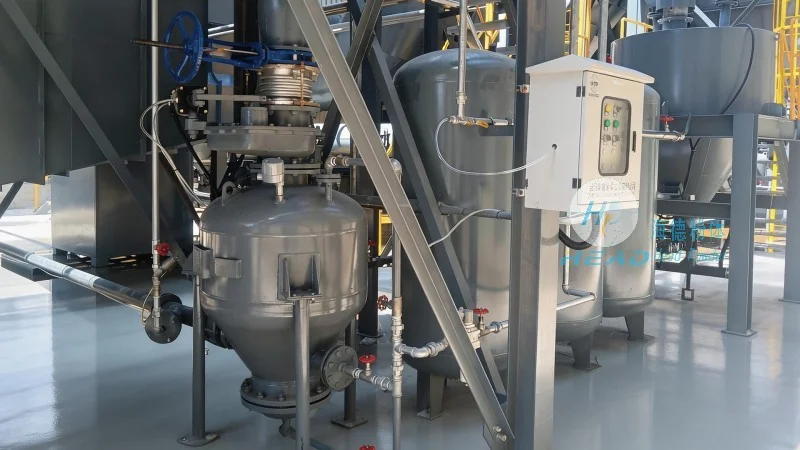
Second, the system design must consider the material's physical properties. Particle size, density, and flowability are crucial factors. Coarser particles may require higher gas velocities to remain suspended, while fine powders might need specialized equipment like cyclone separators or venturi systems to prevent clogging and ensure proper separation at the destination. The design also involves selecting the right type of pipeline, often stainless steel or other corrosion-resistant materials, to handle the abrasive nature of powders and the erosive effects of high-velocity gas.
Third, the system must incorporate effective separation and collection mechanisms. At the end of the conveying line, a receiver or hopper is used to collect the powder. This often includes a dust collection system, such as a baghouse or cartridge filter, to capture any fine particles that may escape the main conveying process. Proper sealing and aeration of the receiver are also critical to prevent material degradation and ensure a smooth discharge process.
Components and Functionality of Dilute Phase Systems
A typical dilute phase powder conveying system consists of several key components. The process begins with a feeder, which meters the powder into the pipeline at a controlled rate. This is followed by a venturi or a pressure vessel where the gas is introduced, creating the high-velocity stream that suspends the material. The pipeline itself is designed with smooth bends and transitions to minimize pressure loss and maintain particle suspension. At the discharge end, a cyclone separator or a filter system separates the powder from the gas, directing the powder into a storage bin or processing equipment while the gas is either recirculated or vented to the atmosphere.
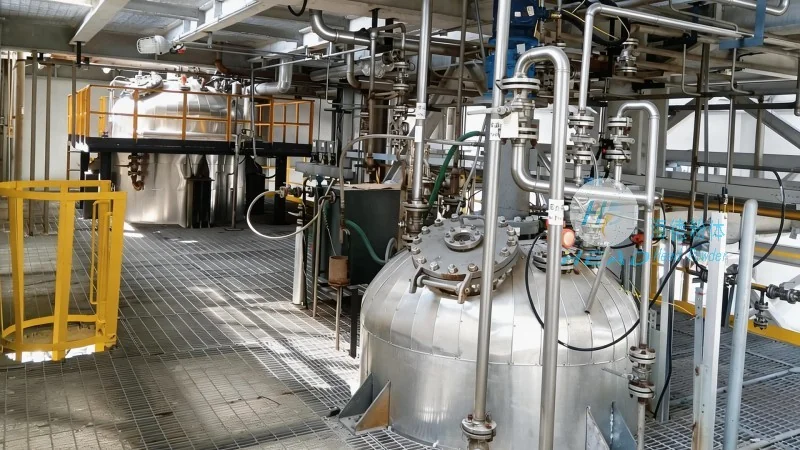
Applications and Benefits of Dilute Phase Conveying
Dilute phase powder conveying systems are widely used across various industries, including pharmaceuticals, food processing, chemical manufacturing, and mining. They offer several advantages over other conveying methods. The primary benefit is the ability to transport materials over long distances with minimal energy consumption compared to dense phase systems. Additionally, the system is less prone to blockages and can handle a wider range of particle sizes and flow characteristics. The design also allows for easy integration with existing processing lines, reducing the need for extensive modifications to plant infrastructure.
Conclusion
Shandong HeadPowder Engineering Co., Ltd., based in China, is dedicated to providing high-quality dilute phase powder conveying solutions tailored to the specific needs of its clients. By adhering to the fundamental design principles outlined above, the company ensures that its systems deliver reliable, efficient, and cost-effective material transport. Whether for short or long-distance applications, HeadPowder's expertise in powder handling technology helps industries optimize their operations and enhance productivity.




