Glass powder handling in industrial settings often requires efficient and reliable equipment to ensure smooth material transfer. A glass powder pneumatic conveying system is a specialized solution designed to transport fine glass powders through a pipeline using air or other gas as the conveying medium. This method offers advantages such as reduced contamination, minimal product degradation, and the ability to handle sensitive materials like glass powders without mechanical contact. Understanding the components and design principles of such a system is crucial for optimizing performance and ensuring long-term operational efficiency.
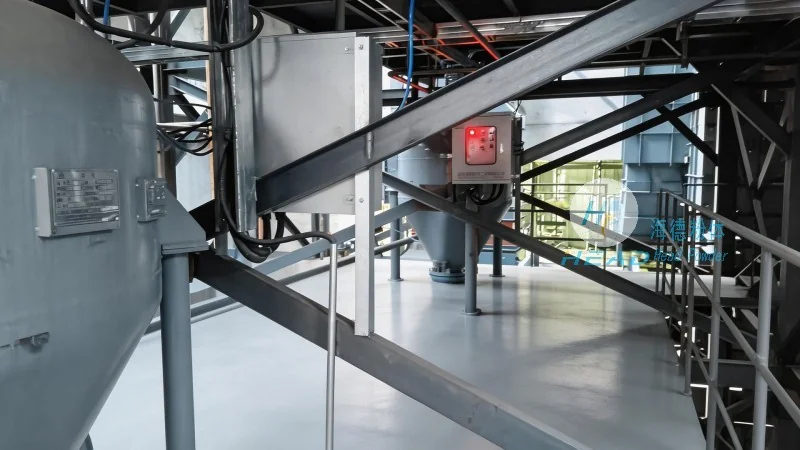
Key Components of a Glass Powder Pneumatic Conveying System
The core components of a glass powder pneumatic conveying system include the hopper, feeder, conveying line, and receiver. The hopper is where the glass powder is stored, and it must be designed to prevent caking or bridging, which can impede flow. The feeder, typically a rotary valve or a metering device, controls the flow rate of the glass powder into the conveying line. The conveying line itself is usually made of materials resistant to glass abrasion, such as stainless steel or specialized plastic, to prevent wear and ensure durability. The receiver is the final destination for the glass powder, where it is collected and stored for further processing. Each component plays a critical role in the overall efficiency and effectiveness of the system.
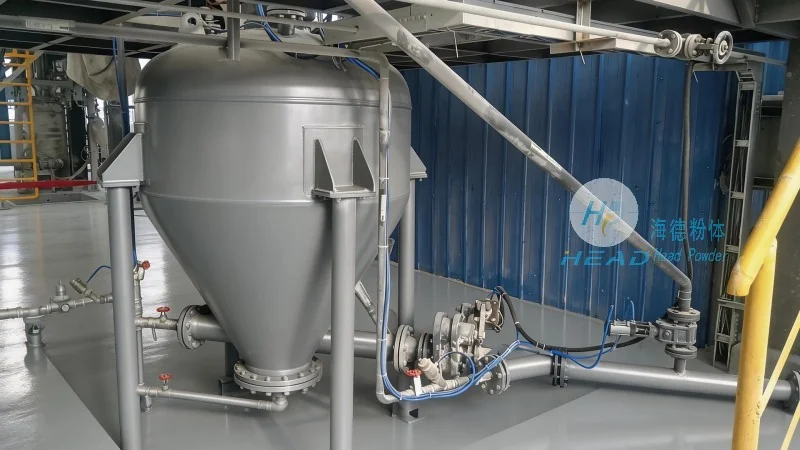
Design Principles for Glass Powder Pneumatic Conveying
The design of a glass powder pneumatic conveying system is guided by several key principles to ensure optimal performance. First, the system must be designed to handle the specific properties of glass powder, including its particle size, density, and flow characteristics. The conveying velocity must be sufficient to prevent particle settling but not so high as to cause excessive wear on the system components. The system also needs to consider the pressure drop across the conveying line, which affects the energy consumption and overall efficiency. Additionally, the system should incorporate features to minimize dust generation and ensure environmental compliance. The design process involves careful calculations of the required air volume, pressure, and line dimensions to achieve the desired conveying capacity while maintaining cost-effectiveness and operational reliability.
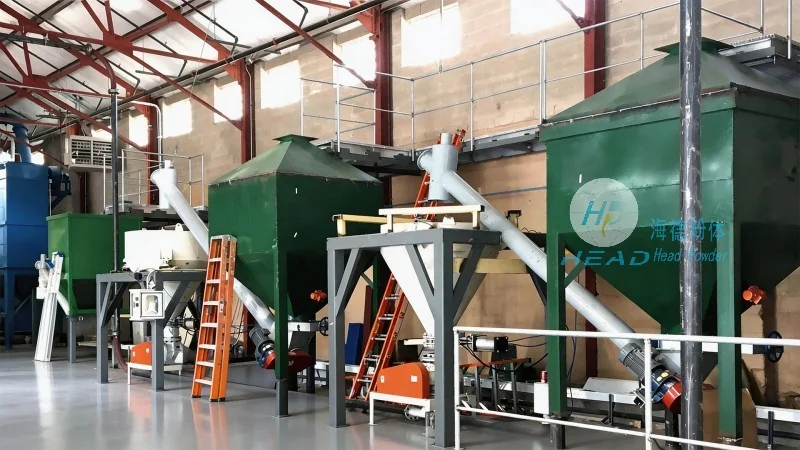
Advantages of Using a Glass Powder Pneumatic Conveying System
Implementing a glass powder pneumatic conveying system offers several advantages over traditional mechanical conveying methods. One of the primary benefits is the reduction of product contamination, as the material is not in contact with metal or other surfaces that could introduce impurities. This is particularly important for glass powders used in high-purity applications, such as glass manufacturing or pharmaceuticals. Another advantage is the ability to handle fine or abrasive materials without causing excessive wear on the system components. The system also allows for flexible and compact installation, as the conveying line can be routed around obstacles and in tight spaces. Furthermore, pneumatic conveying systems can be integrated with other processing equipment, such as mixers or filters, to create a seamless production line. These advantages make glass powder pneumatic conveying systems a preferred choice for many industrial applications.
Applications of Glass Powder Pneumatic Conveying Systems
Glass powder pneumatic conveying systems are widely used in various industries that handle fine glass powders. In the glass manufacturing industry, these systems are used to transport raw materials to the furnace or to move finished products from one processing stage to another. In the pharmaceutical industry, they are used to handle glass powders used in drug formulations, ensuring that the materials are transferred without contamination. Other applications include the food industry, where glass powders are used as additives or fillers, and the chemical industry, where they are used in the production of specialty chemicals. The versatility of these systems makes them suitable for a wide range of applications, from small-scale laboratory operations to large-scale industrial production.
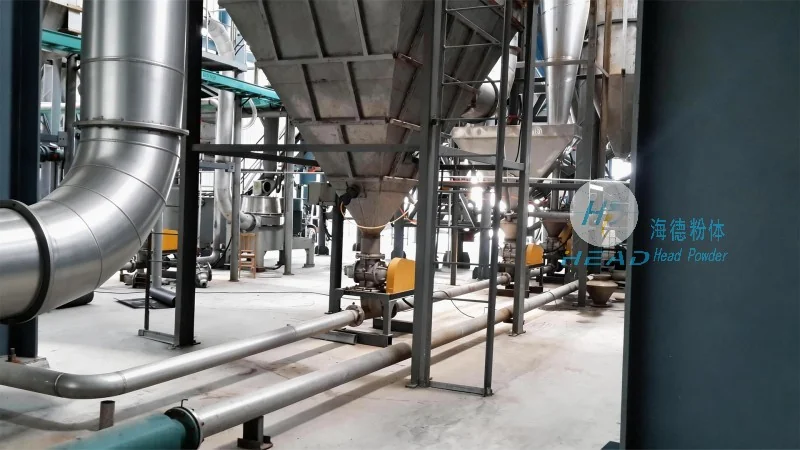
Conclusion and Company Information
Glass powder pneumatic conveying systems are essential equipment for efficiently and reliably handling fine glass powders in industrial settings. By understanding the design principles and key components of such systems, industries can optimize their material transfer processes and improve overall operational efficiency. Shandong HeadPowder Engineering Co., Ltd., a leading manufacturer based in China, specializes in the design and production of high-quality glass powder pneumatic conveying systems. With years of experience and a commitment to quality, the company provides customized solutions tailored to the specific needs of its clients. HeadPowder's systems are engineered to meet the highest standards of performance and durability, ensuring long-term reliability and minimal maintenance. Based in Shandong, China, the company serves a global market, delivering innovative solutions that enhance productivity and safety in glass powder handling operations.




