Phosphate powder is a critical raw material in the fertilizer and chemical industries, and its efficient handling is essential for maintaining production efficiency and operational safety. The design of a negative pressure pneumatic conveying system specifically for phosphate powder addresses the unique challenges associated with this material, including its fine particle size, hygroscopic nature, and potential for dust generation. This article introduces the key components, technical principles, and practical considerations for the design of such a system, with a focus on ensuring reliable, low-cost, and environmentally friendly material transport.
Company Introduction and Expertise
Shandong HeadPowder Engineering Co., Ltd., operating under the brand name headpowder, is a leading engineering firm specializing in the design and manufacturing of pneumatic conveying systems. With years of experience in the industry, the company has developed a deep understanding of the material handling requirements for various powders, including phosphate. The company’s team of engineers and technicians work closely with clients to tailor solutions that meet specific operational needs, ensuring optimal performance and longevity of the conveying equipment. HeadPowder’s headquarters is located in Shandong, China, where the company maintains state-of-the-art research and development facilities to continuously innovate and improve its product offerings.
Key Design Considerations for Phosphate Powder Conveying
The design of a negative pressure pneumatic conveying system for phosphate powder requires careful consideration of several factors to ensure effective and safe operation. First, the system must be capable of handling the fine particle size of phosphate powder, which can range from 10 to 200 microns. This necessitates the use of appropriate air velocities and duct diameters to prevent particle deposition and ensure smooth flow. Second, phosphate powder is often hygroscopic, meaning it can absorb moisture from the air, which can affect its flowability and cause caking. To mitigate this, the system design incorporates features such as moisture control and temperature regulation to maintain the powder’s optimal condition. Third, dust control is a critical aspect of phosphate powder handling due to its potential to create airborne dust that poses health and safety risks. The negative pressure system design includes dust collection and filtration components to minimize dust emissions and comply with environmental regulations.
System Components and Technical Specifications
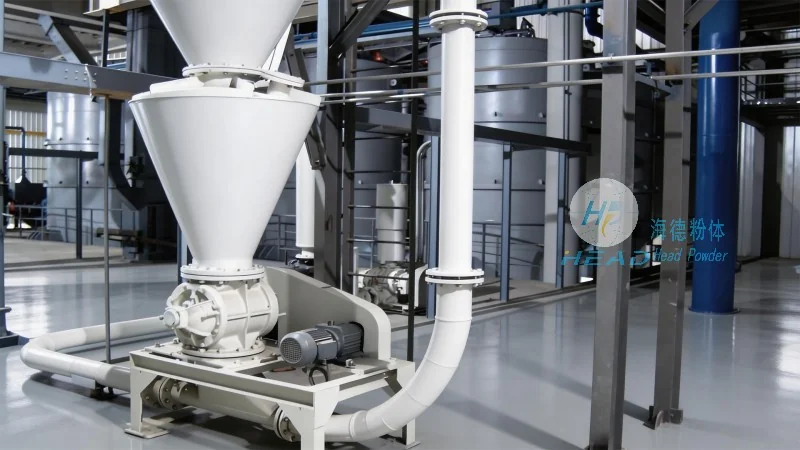
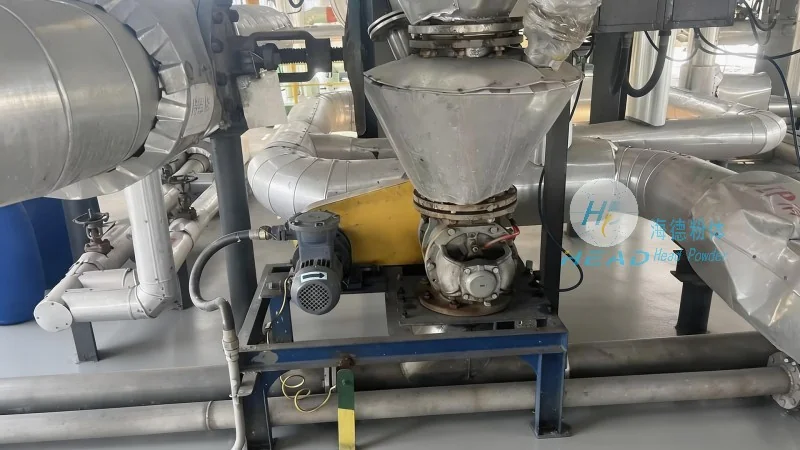
A typical negative pressure pneumatic conveying system for phosphate powder consists of several key components. The primary components include a dust collector, a conveying duct, a rotary valve (or feeder), and a vacuum pump. The dust collector is responsible for capturing any airborne particles and returning them to the conveying line, ensuring that the powder is not lost during transport. The conveying duct is designed with smooth, corrosion-resistant materials to prevent particle buildup and ensure consistent air flow. The rotary valve acts as the material inlet, controlling the flow rate of phosphate powder into the system. The vacuum pump generates the negative pressure required to draw the powder from the source to the destination. The system may also include additional components such as a filter, a silencer, and a pressure relief valve to enhance performance and safety.
Advantages of Negative Pressure Conveying for Phosphate Powder
Compared to positive pressure systems, negative pressure pneumatic conveying offers several advantages for phosphate powder handling. One of the main benefits is the reduced risk of dust dispersion, as the system operates under a negative pressure environment, drawing air and powder into the duct rather than expelling it. This helps maintain a cleaner working environment and reduces the need for extensive dust control measures. Another advantage is the lower energy consumption, as negative pressure systems typically require less air volume and pressure compared to positive pressure systems. This results in cost savings on energy and maintenance. Additionally, negative pressure systems are more suitable for conveying powders over long distances or through complex layouts, as the negative pressure can be maintained throughout the entire conveying line without the need for additional pressure boosters. The system also provides better control over the material flow rate, allowing for precise dosing and regulation of the phosphate powder supply.
Application Scenarios and Operational Benefits
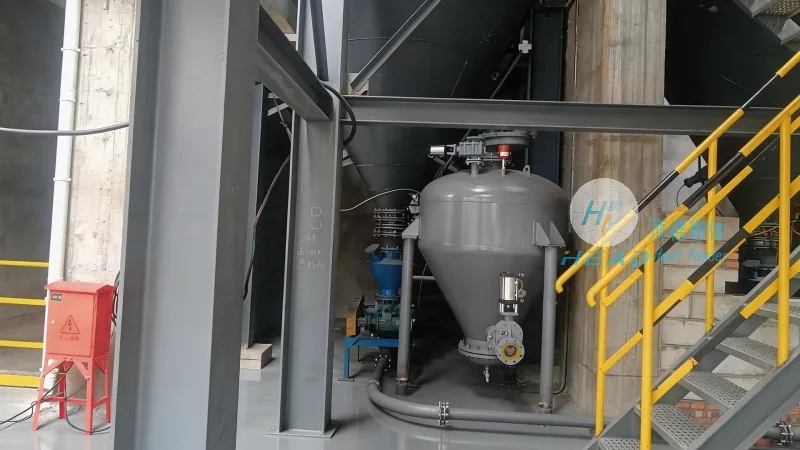
The negative pressure pneumatic conveying system designed for phosphate powder is suitable for a wide range of applications in the fertilizer and chemical industries. It can be used for transporting phosphate from storage silos to processing units, from grinding mills to packaging lines, or from raw material handling areas to production facilities. The system’s flexibility allows it to be integrated into existing production lines or used as a standalone solution for new installations. The operational benefits of the system include increased production efficiency, reduced downtime due to material blockages, and improved safety through minimized dust exposure. Additionally, the system’s low maintenance requirements and long service life contribute to overall cost savings for the end-user. By implementing this design, companies can enhance their material handling capabilities, improve product quality, and comply with environmental regulations, ultimately leading to improved business performance.
Conclusion and Future Developments
In conclusion, the design of a negative pressure pneumatic conveying system for phosphate powder is a critical component in the efficient and safe handling of this important raw material. The system’s ability to handle fine, hygroscopic powders while minimizing dust emissions and energy consumption makes it an ideal solution for modern industrial applications. Shandong HeadPowder Engineering Co., Ltd. continues to innovate in this field, developing advanced systems that meet the evolving needs of the industry. By leveraging its expertise and state-of-the-art technology, the company provides reliable and cost-effective solutions for phosphate powder conveying, helping clients achieve their operational goals and maintain a competitive edge in the market.




