When it comes to conveying white bean flakes in industrial processing, choosing the right type of conveying system is crucial for efficiency, product integrity, and operational reliability. Two primary methods are commonly considered: positive pressure conveying and negative pressure conveying. Understanding the differences between these two approaches is essential for selecting the most suitable solution for your specific application. This article aims to provide a comprehensive guide to help you make an informed decision by examining the characteristics, advantages, and practical considerations of both positive and negative pressure conveying systems for white bean flakes.
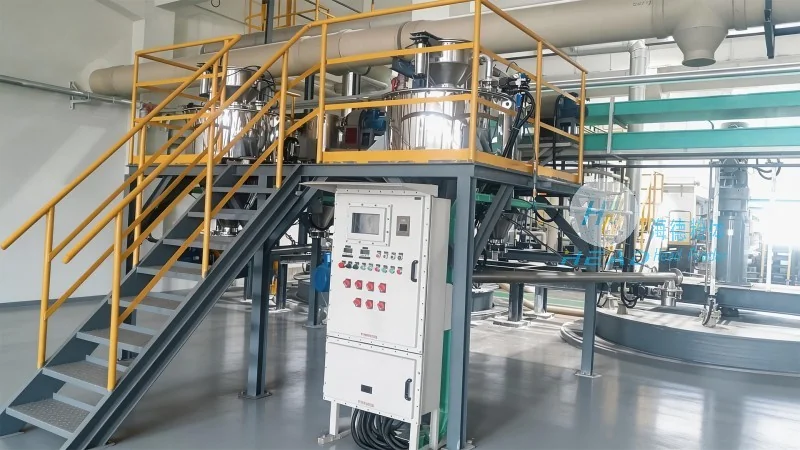
Understanding Conveying Systems for White Bean Flakes
Conveying white bean flakes requires a system that can handle the material's physical properties, such as size, density, and moisture content. The choice between positive and negative pressure conveying depends on factors like the material's flowability, the distance to be conveyed, and the desired level of control over the process. Both systems have their own set of advantages and limitations, making it important to evaluate them based on your specific operational needs.
Differentiating Positive Pressure Conveying
Positive pressure conveying, also known as pressure or blow-through conveying, operates by blowing air or gas into a sealed pipeline to move the material. This method is particularly effective for materials that are prone to bridging or clogging, as the positive pressure helps to break up agglomerates and maintain a consistent flow. For white bean flakes, which can have irregular shapes and varying sizes, positive pressure conveying can provide better control over the material's movement, ensuring that the flakes are transported without damage or segregation.
In positive pressure systems, the air is typically introduced at the inlet of the pipeline, creating a pressure differential that propels the material forward. This approach is often used for short to medium conveying distances and is suitable for applications where the material needs to be conveyed at a relatively high velocity. The main advantage of positive pressure conveying is its ability to handle a wide range of materials, including those with high moisture content or abrasive properties. However, it may require more energy and can be less efficient for long-distance conveying due to the pressure drop in the pipeline.
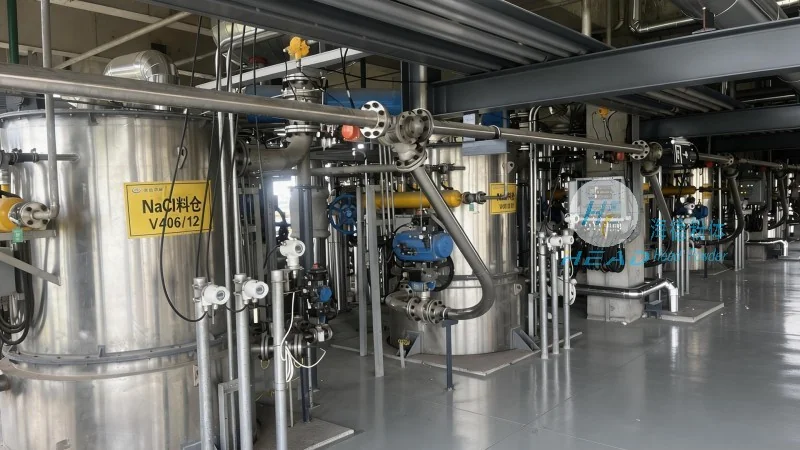
Differentiating Negative Pressure Conveying
Negative pressure conveying, also called vacuum or draw-through conveying, operates by creating a vacuum in the pipeline to draw the material into the system. This method is ideal for applications where the material needs to be conveyed from a higher elevation to a lower one, as the vacuum helps to pull the material down the line. For white bean flakes, negative pressure conveying can be effective for short vertical or horizontal distances, especially when the material is light and has good flow characteristics.
In negative pressure systems, the air is extracted from the pipeline at the discharge end, creating a pressure differential that pulls the material into the system. This approach is often used for applications where the material needs to be conveyed in a closed environment, such as in food processing facilities where dust control is critical. The main advantage of negative pressure conveying is its ability to handle fine or powdery materials without generating excessive dust, as the vacuum helps to contain the material within the pipeline. However, it may not be suitable for materials that are prone to bridging or clogging, as the vacuum can create a suction that may not be strong enough to move the material effectively.
Key Factors to Consider When Choosing Between Positive and Negative Pressure Conveying
When deciding between positive and negative pressure conveying for white bean flakes, several factors should be considered to ensure the best performance and efficiency. First, the material's physical properties, such as size, shape, and moisture content, play a significant role in determining the most suitable system. For example, if the white bean flakes are irregularly shaped and have a tendency to agglomerate, positive pressure conveying may be more effective due to its ability to break up clumps and maintain a consistent flow. On the other hand, if the material is light and has good flow characteristics, negative pressure conveying may be sufficient for short distances.
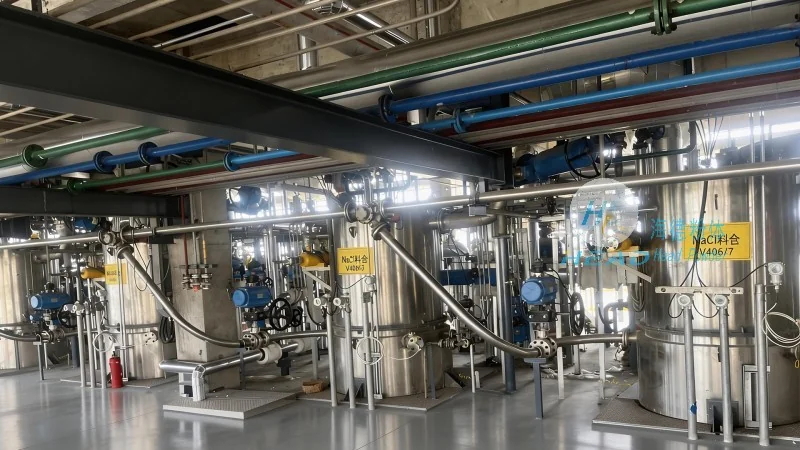
Second, the conveying distance and elevation changes are important considerations. Positive pressure conveying is generally more suitable for longer distances and higher elevations, as it can maintain a consistent pressure throughout the pipeline. Negative pressure conveying, however, is better suited for shorter distances and lower elevations, as the vacuum may not be strong enough to overcome significant height differences or long pipeline lengths.
Third, the need for dust control and environmental considerations should be evaluated. Positive pressure systems may generate more dust due to the high velocity of the air, which can be a concern in food processing facilities where hygiene is paramount. Negative pressure systems, on the other hand, are more effective at containing dust and maintaining a clean environment, making them a better choice for applications where dust control is a priority.
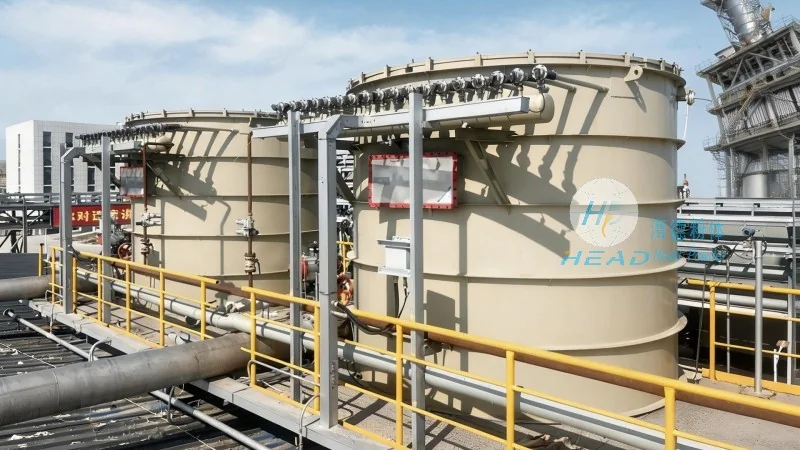
Fourth, the energy consumption and operational costs should be taken into account. Positive pressure systems typically require more energy to maintain the pressure in the pipeline, which can increase operational costs over time. Negative pressure systems, while generally more energy-efficient for short distances, may require additional equipment, such as vacuum pumps, which can add to the overall cost.
Conclusion and Recommendations
Choosing between positive and negative pressure conveying for white bean flakes requires a careful evaluation of the material's properties, the conveying distance, and the operational requirements. Positive pressure conveying is generally more suitable for materials that are prone to bridging or clogging, longer distances, and higher elevations, while negative pressure conveying is better suited for fine materials, shorter distances, and applications where dust control is critical.
Ultimately, the best choice depends on the specific needs of your application. It is recommended to consult with a conveying system expert, such as Shandong HeadPowder Engineering Co., Ltd., to assess your requirements and determine the most appropriate system for your white bean flakes processing operation. By selecting the right conveying method, you can improve efficiency, maintain product quality, and ensure reliable operation in your industrial processing facility.




