Yeast powder, a vital component in the food and beverage industry, demands efficient and hygienic handling systems to preserve its quality and integrity. Among the available conveying technologies, the pneumatic conveying machine stands out as a preferred solution for transporting yeast powder due to its ability to handle fine powders without mechanical contact. This article examines the concept of a yeast powder pneumatic conveying machine and explores its core design principles, highlighting how these machines optimize yeast powder handling in industrial settings.
Introduction to Yeast Powder Pneumatic Conveying Machines
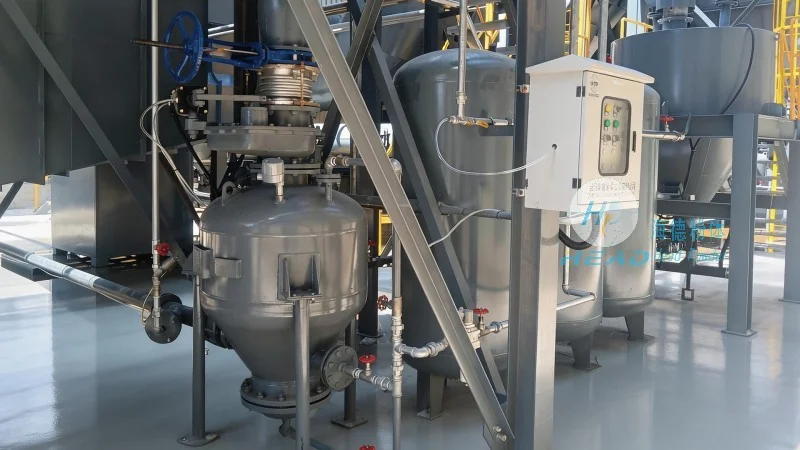
A yeast powder pneumatic conveying machine is specialized equipment designed to transport dry yeast powder through a pipeline using air or gas as the conveying medium. Unlike traditional mechanical conveyors that rely on belts, screws, or buckets, pneumatic conveyors utilize air force to move the powder, ensuring a clean, dust-free, and hygienic transfer process. This method is particularly advantageous for yeast powder, which is sensitive to moisture, temperature changes, and contamination. The machine typically includes a hopper for material storage, a conveyor line with appropriate fittings, and a control system to regulate air flow and pressure.
Key Components and Their Functions
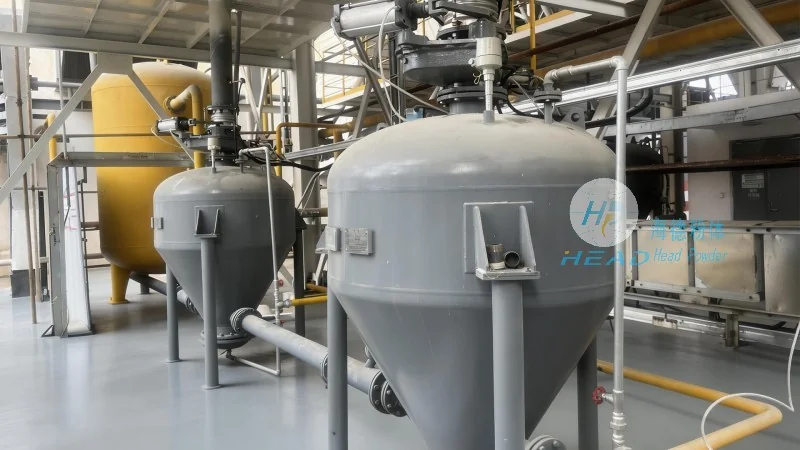
The effectiveness of a yeast powder pneumatic conveying machine depends on several critical components, each with a specific role. The primary components are the hopper, air compressor or blower, conveying line, and control valves. The hopper holds the yeast powder and features a discharge valve to release material into the conveyor line. The air compressor or blower generates the necessary air pressure to move the powder through the pipeline. The conveying line, usually made of stainless steel or other corrosion-resistant materials, ensures powder transport without degradation. Control valves, such as rotary valves or slide gates, regulate powder and air flow, maintaining consistent conveying rates.
Design Principles for Efficient Yeast Powder Conveying
The design of a yeast powder pneumatic conveying machine is tailored to yeast powder's unique characteristics, including fine particle size, low bulk density, and tendency to form agglomerates. The two main design principles are positive pressure (pressure) conveying and negative pressure (vacuum) conveying, each with distinct applications and advantages.
Positive Pressure Conveying
Positive pressure conveying involves blowing air into the conveying line, creating pressure higher than ambient air pressure. This method is used for short to medium-distance conveying and is ideal for transporting yeast powder from storage silos to processing units. High-pressure air forces the powder through the pipeline, ensuring continuous flow. The hopper and discharge valve design is critical to prevent material bridging or clogging. The air compressor must deliver sufficient pressure and volume to maintain flow rate, and the conveying line must be properly sized to avoid excessive pressure drops.
Negative Pressure Conveying
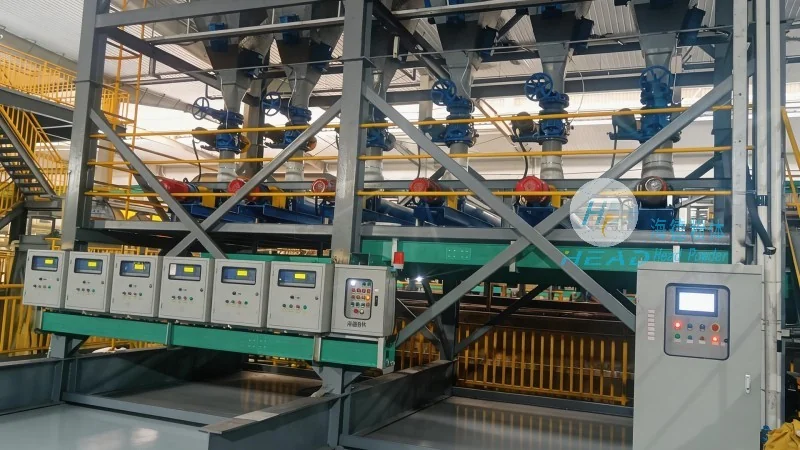
Negative pressure conveying, or vacuum conveying, involves creating a vacuum in the conveying line by extracting air. This method is suitable for longer distances and is used when yeast powder needs to be transported from lower to higher levels or collected from multiple sources. The vacuum pulls the powder into the pipeline, with air filtered and returned to the environment. This design is effective for fine powders prone to dusting and requires high dust control. The vacuum pump must maintain the required vacuum level, and the filtration system must be efficient to prevent air contamination and ensure hygiene compliance.
Advantages of Using Pneumatic Conveying for Yeast Powder
Implementing a yeast powder pneumatic conveying machine offers advantages over traditional mechanical conveyors. Firstly, it provides a hygienic, dust-free transfer process, essential for maintaining yeast powder quality, especially in food and pharmaceutical applications. The absence of mechanical parts reduces contamination and product degradation risk. Secondly, pneumatic conveyors are flexible, easily integrated into existing production lines, allowing route or distance changes without major modifications. Thirdly, they are energy-efficient, using air as the primary medium, more economical than mechanical systems with moving parts. Additionally, pneumatic conveyors handle a wide range of powder characteristics, including varying particle sizes and moisture contents, making them versatile for different yeast powder applications.
Applications in the Yeast Industry
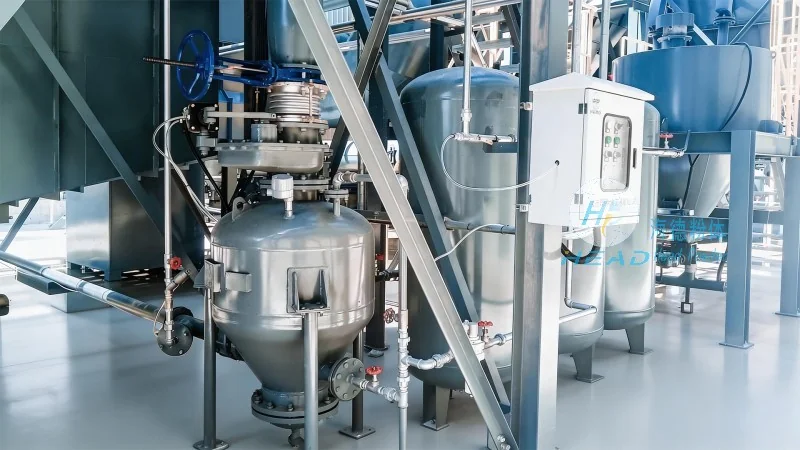
Yeast powder pneumatic conveying machines are widely used in yeast production and processing stages. In manufacturing, these machines transport yeast powder from storage silos to mixing and blending units, ensuring consistent feed rates. During packaging, they move powder from processing lines to packaging machines, maintaining purity and preventing cross-contamination. In research and development, they handle small quantities for testing and quality control. The ability to handle fine powders with precision makes pneumatic conveying indispensable in the yeast industry, enhancing operational efficiency and product quality.
Conclusion
In summary, a yeast powder pneumatic conveying machine is a sophisticated and efficient solution for handling yeast powder in industrial applications. Its design, based on positive or negative pressure principles, addresses yeast powder's unique challenges, ensuring clean, reliable, and hygienic transfer. Key components and operational principles maintain product quality and integrity. As the food and beverage industry demands higher product quality and safety standards, pneumatic conveying machines remain vital for optimizing yeast powder handling. Companies like Shandong HeadPowder Engineering Co., Ltd., based in China, specialize in designing and manufacturing such equipment, providing tailored solutions to meet specific yeast powder processing facility needs.




