HeadPowder, a leading engineering firm based in Shandong, China, specializes in the design and selection of pneumatic conveying systems tailored for lithium-ion battery materials. This article provides a comprehensive overview of the design calculations and equipment selection processes essential for efficient material handling in the battery manufacturing sector.
Key Design Considerations for Pneumatic Conveying Systems
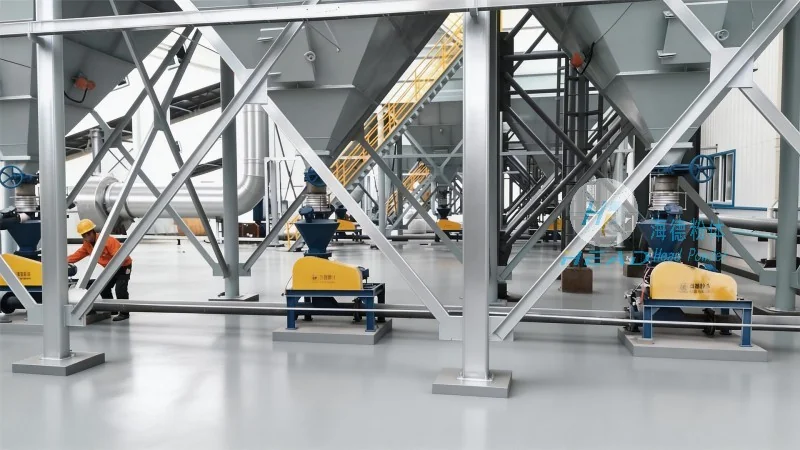
The successful implementation of pneumatic conveying systems for lithium-ion battery materials requires careful consideration of several critical factors. First, the physical properties of the material, such as particle size, density, and flowability, directly influence the system's performance. For instance, fine powders like lithium carbonate or graphite often present challenges in terms of dust generation and pressure drop, necessitating specialized equipment to maintain system efficiency. Additionally, the material's chemical stability is paramount, as many lithium battery components are sensitive to moisture and oxidation. Therefore, the design must incorporate features like sealed pipelines and moisture-resistant components to prevent degradation.
Design Calculations for Pneumatic Conveying
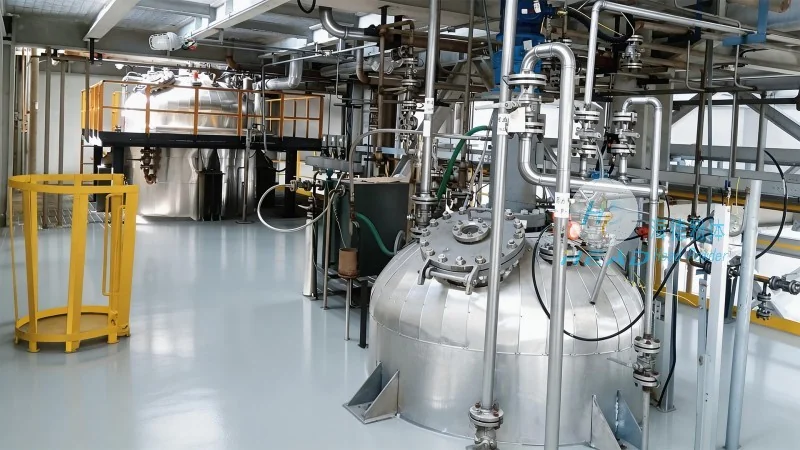
Accurate design calculations are fundamental to ensuring the reliability and efficiency of pneumatic conveying systems. The primary calculations involve determining the necessary air velocity, pressure drop, and system capacity. The air velocity must be sufficient to entrain the material particles but not so high as to cause excessive wear on the equipment or generate excessive dust. Engineers typically use empirical formulas and computational fluid dynamics (CFD) simulations to model the flow behavior and optimize the system parameters. For example, the pressure drop across the conveying line is calculated based on the material's friction factor, the pipe diameter, and the length of the system. This calculation helps in selecting the appropriate blower or compressor capacity to maintain the required pressure and ensure smooth material transport.
Equipment Selection for Lithium-Ion Battery Material Conveying
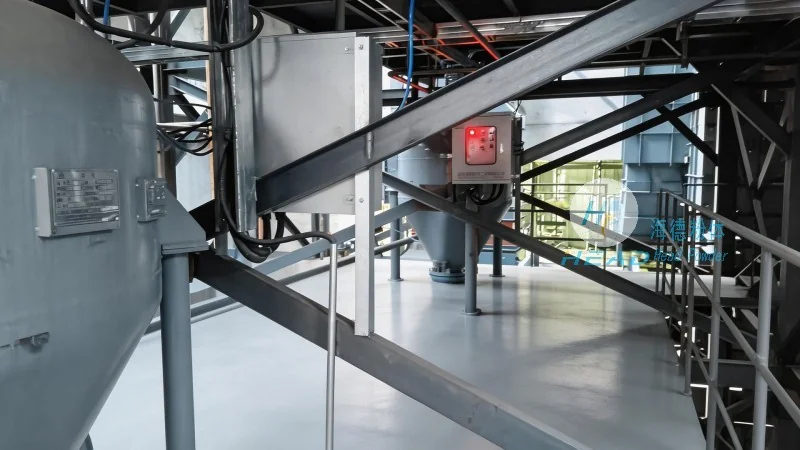
Choosing the right equipment is crucial for the long-term performance and cost-effectiveness of the pneumatic conveying system. The selection process involves evaluating various components, including the feeder, conveying line, and receiver. The feeder is responsible for introducing the material into the system at a consistent rate. For bulk materials, rotary feeders or screw feeders are commonly used, which can handle a wide range of particle sizes and flow rates. The conveying line, typically made of stainless steel or other corrosion-resistant materials, must be selected based on the material's chemical compatibility and the required pressure rating. For lithium battery materials, which may be abrasive or corrosive, high-quality stainless steel or specialized alloys are preferred to minimize wear and maintain system integrity. The receiver, where the material is deposited, should be designed to prevent dust accumulation and ensure easy access for maintenance. Additionally, accessories like filters, cyclones, and dust collectors are essential to manage the dust generated during the conveying process, ensuring compliance with environmental regulations and maintaining a safe working environment.
Case Study: Custom Pneumatic Conveying System for Lithium Carbonate Handling
HeadPowder recently completed a project for a lithium battery manufacturer in Shandong, China, involving the design and installation of a custom pneumatic conveying system for lithium carbonate. The system was required to transport fine lithium carbonate powder from a storage silo to a mixing and processing unit over a distance of 50 meters. The design calculations indicated that a positive pressure system with a blower rated at 15 kW was necessary to achieve the required air velocity of 20 m/s. The conveying line was constructed using 316L stainless steel with a diameter of 100 mm to handle the abrasive nature of the material. The rotary feeder was selected to provide a consistent feed rate of 2 tons per hour, ensuring stable material flow. The system was equipped with a high-efficiency cyclone separator and a dust collection baghouse to manage the dust emissions. The final system achieved a pressure drop of 800 Pa and a material transport efficiency of 98%, meeting the client's production requirements while maintaining a clean and safe operation environment.
Conclusion and Service Offerings
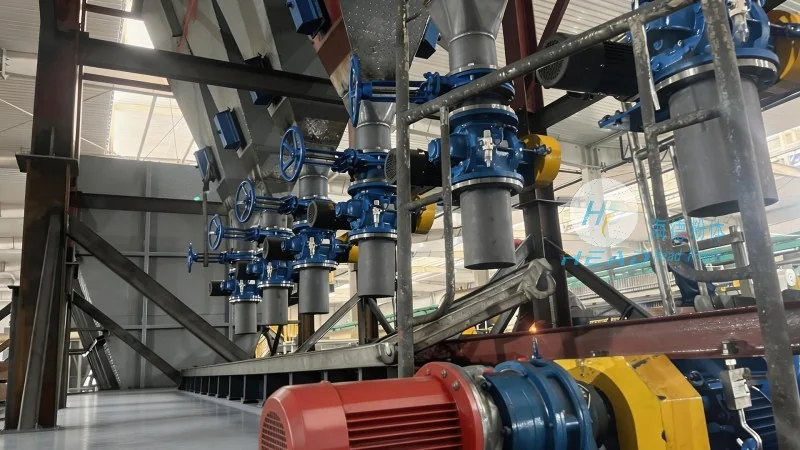
Effective design and equipment selection for pneumatic conveying of lithium-ion battery materials are critical to the success of battery manufacturing operations. HeadPowder, with its expertise in material handling engineering, provides comprehensive solutions that address the unique challenges of lithium battery materials. By leveraging advanced design calculations and high-quality equipment, the company ensures that clients achieve optimal performance, reliability, and cost-effectiveness in their material handling systems. For businesses in the lithium-ion battery industry seeking reliable pneumatic conveying solutions, HeadPowder offers tailored engineering services and equipment selection support to meet their specific needs.




