

Working Principle and Features of a Dry Flue Gas Desulfurization Ash Pneumatic Conveying System
Understanding the working principle and key features of a dry flue gas desulfurization (FGD) ash pneumatic conveying system is crucial for industries involved in power generation and environmental compliance. This system is designed to efficiently handle and transport the byproducts of flue gas desulfurization processes, ensuring safe and effective disposal or reuse of the material. The following sections provide a detailed overview of how such systems operate and their distinct characteristics.
Introduction to Dry FGD Ash Pneumatic Conveying Systems
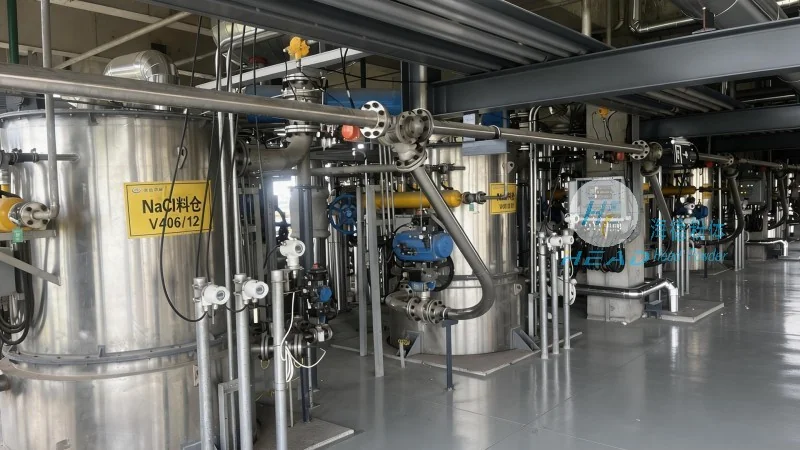
A dry flue gas desulfurization ash pneumatic conveying system is a specialized equipment used in power plants and industrial facilities to transport the solid residues generated from the desulfurization of flue gases. These residues, commonly known as FGD ash or gypsum, are typically fine powders that require careful handling to prevent dust emissions and ensure environmental safety. The system utilizes air pressure to move the ash from the desulfurization unit to storage or disposal sites, eliminating the need for traditional bulk handling methods like trucks or conveyors.
Working Principle of the Pneumatic Conveying System
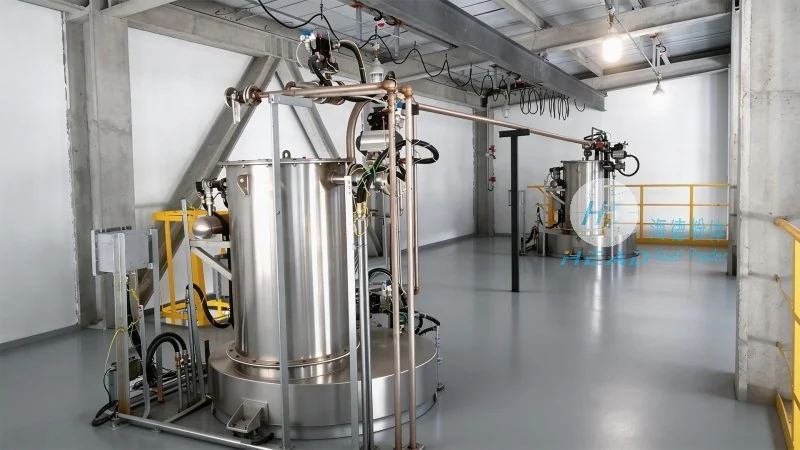
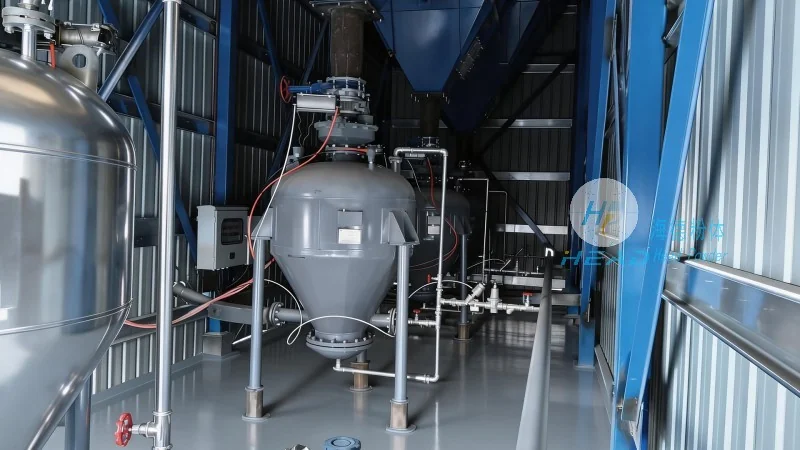
The core mechanism of a dry FGD ash pneumatic conveying system involves the use of compressed air to create a flow that transports the ash particles through a network of pipes. The process typically begins with the ash being fed into a hopper or feeder, where it is then drawn into a venturi or a pressure-type conveying line. Compressed air is introduced at a specific pressure and velocity, creating a suction or pressure differential that propels the ash particles forward. The system may employ either suction or pressure conveying methods, depending on the distance and layout of the transport route. In suction conveying, the air is drawn through the system, pulling the ash particles along with it, while pressure conveying uses compressed air to push the material through the pipes. The design of the system, including the type of air nozzles, pipe diameters, and flow rates, is critical to ensure efficient and reliable transport without clogging or excessive pressure loss.
Key Features and Advantages of the System
Several key features distinguish a dry FGD ash pneumatic conveying system from other handling technologies. Firstly, it offers a dust-free operation, as the entire process is enclosed within a sealed system, preventing the release of fine particles into the environment. This not only enhances safety for personnel but also complies with stringent environmental regulations. Secondly, the system provides high efficiency in terms of material transport, with the ability to move large volumes of ash over long distances with minimal energy consumption compared to traditional methods. Additionally, the system is highly flexible, allowing for easy integration into existing plant layouts and modifications to accommodate changes in production or storage requirements. Another significant advantage is the reduced maintenance needs, as the enclosed design minimizes wear and tear on components and prevents contamination from external sources. The system also supports the potential reuse of FGD ash in construction materials, such as gypsum board, by ensuring the material remains in a dry and uncontaminated state throughout the conveying process.
Company Overview: Shandong HeadPowder Engineering Co., Ltd.
Shandong HeadPowder Engineering Co., Ltd., operating under the brand name HeadPowder, is a leading provider of specialized engineering solutions for the handling and processing of industrial powders. With a strong presence in China, particularly in Shandong province, the company has established itself as a trusted partner for power plants and industrial facilities seeking reliable and efficient pneumatic conveying systems. HeadPowder's expertise lies in designing and manufacturing customized solutions that meet the unique requirements of each client, ensuring optimal performance and compliance with industry standards. The company's commitment to quality and innovation has enabled it to deliver systems that enhance operational efficiency, reduce environmental impact, and support sustainable practices in the power generation sector.
Conclusion and Practical Applications
In conclusion, the dry flue gas desulfurization ash pneumatic conveying system represents a sophisticated and effective solution for managing the byproducts of flue gas desulfurization. Its working principle, based on air pressure and enclosed transport, ensures safe, efficient, and environmentally friendly handling of FGD ash. The key features, including dust-free operation, high efficiency, and flexibility, make it an ideal choice for modern power plants and industrial facilities. As a leader in the field, Shandong HeadPowder Engineering Co., Ltd. continues to provide advanced engineering solutions that support the transition to cleaner energy production and sustainable industrial practices. By leveraging the expertise and technology of HeadPowder, clients can achieve reliable and cost-effective management of their FGD ash, contributing to both operational excellence and environmental responsibility.