

Working Principle and Features of Cement Powder Pneumatic Conveying Systems
HeadPowder, a leading engineering firm based in Shandong, China, specializes in the design, manufacturing, and installation of advanced pneumatic conveying systems tailored for cement powder and similar bulk materials. This article delves into the fundamental working principles and distinctive features of such systems, providing a comprehensive overview for industry professionals and potential clients.
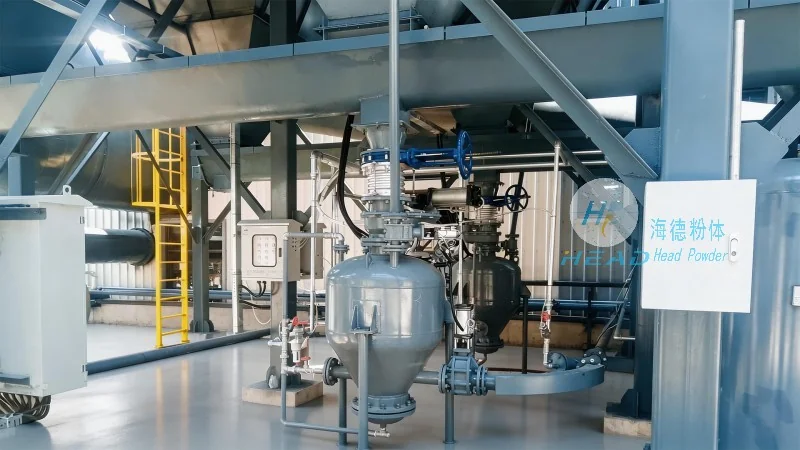
Company Overview
Shandong HeadPowder Engineering Co., Ltd., commonly known as HeadPowder, is a reputable enterprise dedicated to providing high-quality engineering solutions for material handling and processing. With a strong focus on innovation and customer satisfaction, the company has established itself as a trusted partner in the cement and construction material sectors. HeadPowder’s expertise lies in developing customized pneumatic conveying systems that meet the specific demands of clients, ensuring efficient and reliable material transport in various industrial applications.
Working Principle of the Cement Powder Pneumatic Conveying System
The core of a cement powder pneumatic conveying system is the method by which bulk materials are transported through a pipeline using air or gas as the conveying medium. The system operates on the principle of creating a pressure differential between the inlet and outlet of the pipeline. Typically, the process begins with the material being fed into a hopper or feeder, where it is then introduced into the conveying line. A fan or blower generates the necessary airflow, which propels the cement powder particles through the pipeline to the destination point, such as a silo, storage tank, or processing unit. The system may employ either positive pressure (pressure conveying) or negative pressure (vacuum conveying), depending on the specific requirements of the application. Positive pressure systems are generally used for long-distance or high-capacity transport, while negative pressure systems are suitable for shorter distances or when handling dusty materials that require containment to prevent environmental contamination.
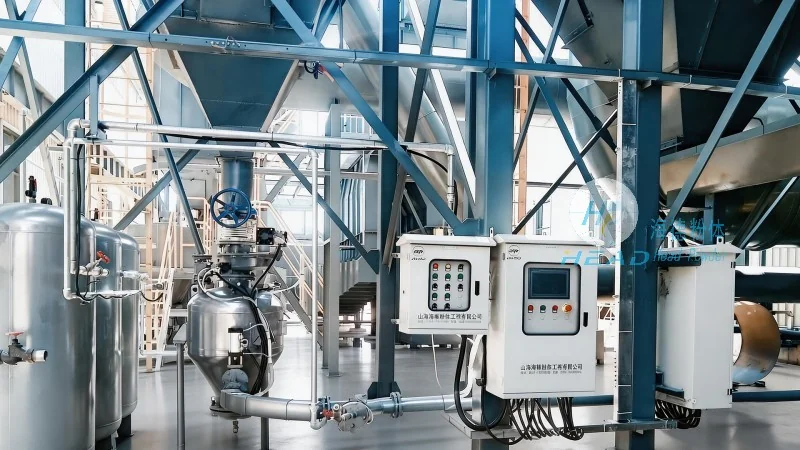
Key Features and Advantages of the System
HeadPowder’s cement powder pneumatic conveying systems are characterized by several key features that enhance their performance and reliability. One of the primary advantages is the ability to transport materials in a closed system, which minimizes dust emissions and ensures environmental compliance. This is particularly important in industries where air quality regulations are stringent. The systems also offer high efficiency in material transport, with minimal product degradation or loss during the process. Additionally, the design allows for flexible installation, accommodating various layouts and spatial constraints in industrial facilities. The use of advanced control systems enables precise regulation of airflow and material flow rates, ensuring consistent and stable operation. Another notable feature is the system’s adaptability to different material types, including fine powders like cement, as well as other bulk materials such as fly ash, limestone, and coal ash. This versatility makes the system suitable for a wide range of applications in the cement, power, and construction industries.
Technical Specifications and Performance Metrics
The performance of a cement powder pneumatic conveying system is determined by several technical specifications that ensure optimal operation. Key parameters include the conveying capacity, which refers to the volume of material transported per unit time, typically measured in tons per hour (t/h). The system’s pressure drop across the pipeline is another critical factor, as it indicates the energy required to move the material. HeadPowder’s systems are engineered to maintain low pressure drops, reducing energy consumption and operational costs. The system’s efficiency is also evaluated by its specific power consumption, which measures the energy used per unit of material conveyed. Advanced systems may incorporate features such as variable speed drives, which allow for dynamic adjustment of airflow and material flow, further optimizing energy use. The design also considers factors like material handling capacity, which is influenced by the particle size, density, and moisture content of the cement powder. The system’s reliability is enhanced by the use of durable materials for the pipeline and components, such as stainless steel or corrosion-resistant alloys, to withstand the abrasive nature of cement particles. Additionally, the system may include monitoring and control systems that provide real-time data on flow rates, pressure, and temperature, enabling proactive maintenance and troubleshooting.
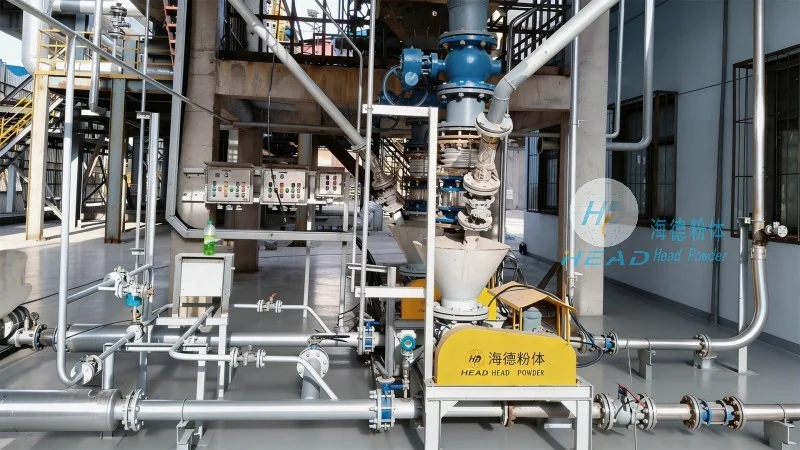
Application Scenarios and Industry Use Cases
Cement powder pneumatic conveying systems are widely used in various industrial applications where efficient and dust-free material transport is essential. In the cement industry, these systems are commonly employed for transporting raw materials, such as limestone and clay, from storage silos to the production line. They are also used for conveying finished cement products from the grinding mill to storage silos or for distribution to construction sites. The systems are equally applicable in the power generation sector, where they are used to transport fly ash and other byproducts from coal-fired power plants to disposal or utilization facilities. Additionally, in the construction and building materials industry, pneumatic conveying systems are utilized for transporting additives, such as gypsum or silica sand, to mixing plants or batching stations. The versatility of the system makes it suitable for a range of applications, from small-scale operations to large industrial facilities, ensuring reliable and efficient material handling in diverse environments.
Conclusion and Future Developments
HeadPowder’s cement powder pneumatic conveying systems represent a sophisticated solution for the efficient and environmentally friendly transport of bulk materials. By leveraging advanced engineering principles and innovative design, these systems offer significant advantages over traditional material handling methods, including reduced labor costs, minimized environmental impact, and improved operational efficiency. As the demand for sustainable and efficient industrial processes continues to grow, the importance of reliable pneumatic conveying systems will only increase. HeadPowder remains committed to advancing the technology, incorporating new materials, and enhancing system performance to meet the evolving needs of the industry. The company’s expertise and dedication to quality ensure that clients receive systems that are not only effective but also durable and cost-efficient, supporting long-term success in their respective industries.