A Chloroprene rubber pneumatic conveying system is a specialized industrial equipment designed to transport bulk materials through a pipeline using air or other gas as the conveying medium. This technology is widely used in various industries, including chemical processing, food processing, and pharmaceutical manufacturing, where the handling of fine powders or granules requires efficient and reliable material transport. The system's core component is the chloroprene rubber material, which is chosen for its excellent resistance to chemicals, abrasion, and temperature variations, making it suitable for transporting materials that may be corrosive or abrasive to conventional materials like metal or plastic. Such systems are often engineered and manufactured by companies like Shandong HeadPowder Engineering Co., Ltd., a leading provider of industrial conveying solutions based in China.
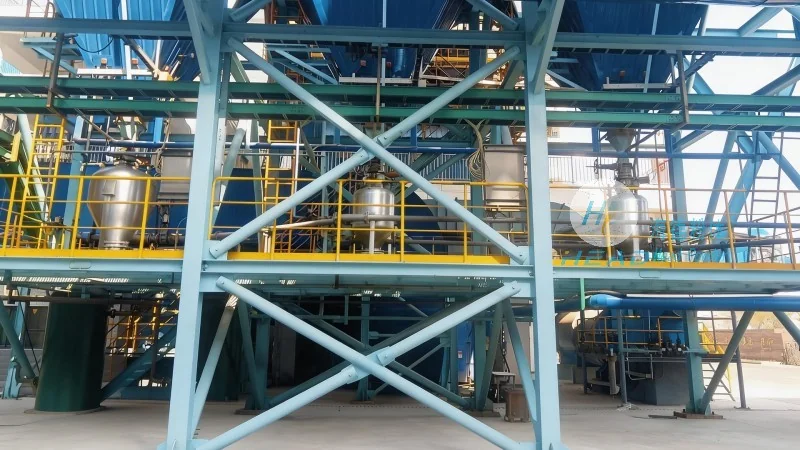
Key Components of a Chloroprene Rubber Pneumatic Conveying System
The design of a chloroprene rubber pneumatic conveying system involves several critical components that work in tandem to ensure efficient material transport. The primary components include the material feed hopper, the conveying line (typically made from chloroprene rubber or other compatible materials), the air or gas source (such as a blower or compressor), and the control system. The feed hopper is responsible for storing and feeding the bulk material into the conveying line at a controlled rate. The conveying line, often constructed from flexible or rigid chloroprene rubber hoses or pipes, is the main pathway for the material and air mixture. The air source provides the necessary pressure and flow rate to move the material through the line. The control system, which may include sensors and valves, regulates the flow of material and air to maintain optimal conveying conditions and prevent blockages or overloading.
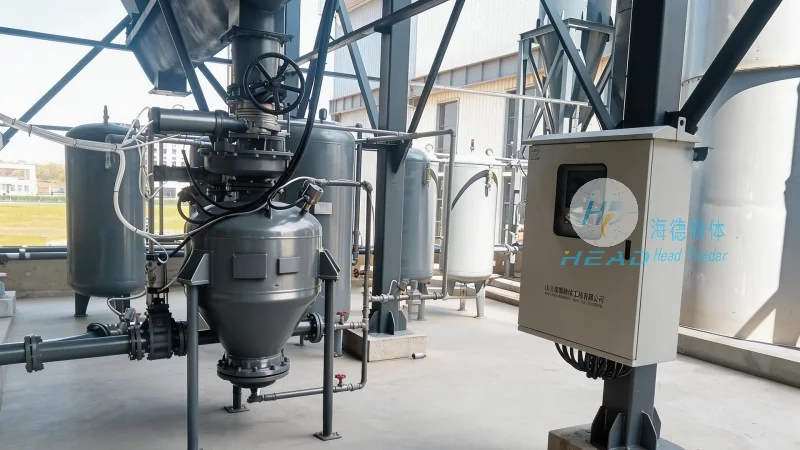
Design Principles and Operational Mechanisms
The design principles of a chloroprene rubber pneumatic conveying system are centered on achieving efficient material transport while minimizing wear and tear on the system components. One of the fundamental principles is the use of positive pressure or negative pressure (or a combination of both) to move the material. In positive pressure systems, air is blown into the conveying line, pushing the material forward. In negative pressure systems, air is drawn out of the line, creating a vacuum that pulls the material. The choice between these systems depends on the material being conveyed, the distance of transport, and the desired flow rate. The system's design also considers the material's properties, such as particle size, density, and moisture content, as these factors affect the required air velocity and pressure to achieve effective transport. For example, fine powders may require higher air velocities to prevent settling or clogging, while larger granules may need lower velocities to avoid excessive wear on the conveying line.
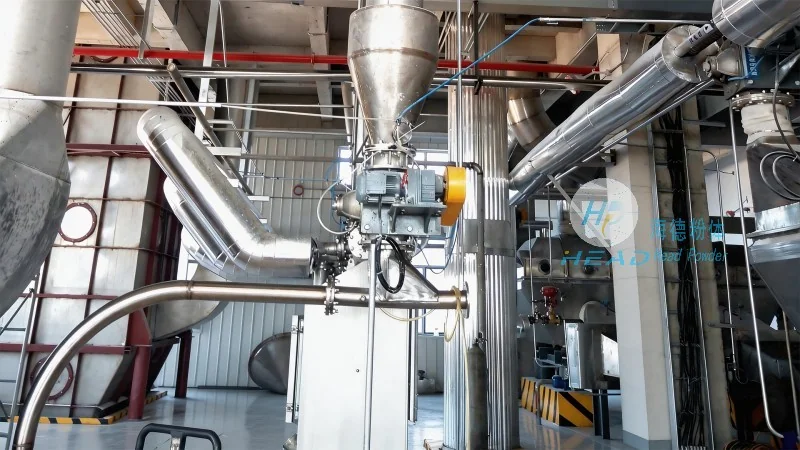
Advantages of Chloroprene Rubber in Pneumatic Conveying
Chloroprene rubber, also known as neoprene, offers several advantages that make it an ideal material for pneumatic conveying systems. Its excellent chemical resistance allows it to withstand exposure to a wide range of chemicals, including acids, bases, and solvents, which is crucial when transporting corrosive materials. The material's abrasion resistance ensures that the conveying line remains durable even when handling abrasive or hard materials, reducing the need for frequent replacements and maintenance. Additionally, chloroprene rubber has good flexibility and elasticity, which helps in maintaining the shape of the conveying line and preventing kinks or bends that could cause blockages. The material also has good temperature resistance, allowing the system to operate in a wide temperature range without degradation. These properties collectively contribute to the longevity and reliability of the chloroprene rubber pneumatic conveying system, making it a cost-effective solution for bulk material transport in various industrial applications.
Applications and Use Cases
Chloroprene rubber pneumatic conveying systems are used in a variety of applications across different industries. In the chemical industry, they are commonly used to transport chemicals, powders, and granules that may be corrosive or abrasive. For example, in the production of paints, coatings, and adhesives, the system can efficiently transport pigments and resins. In the food and pharmaceutical industries, the system is used to transport ingredients, powders, and granules that require strict hygiene and contamination control. The system's ability to handle fine powders without clogging or contamination makes it suitable for applications where product quality and safety are paramount. Additionally, in the mining and mineral processing industry, the system can be used to transport minerals and ores, where the material may be abrasive and require durable conveying components. The versatility of the chloroprene rubber pneumatic conveying system makes it a valuable asset in various industrial settings, providing an efficient and reliable method for bulk material transport.
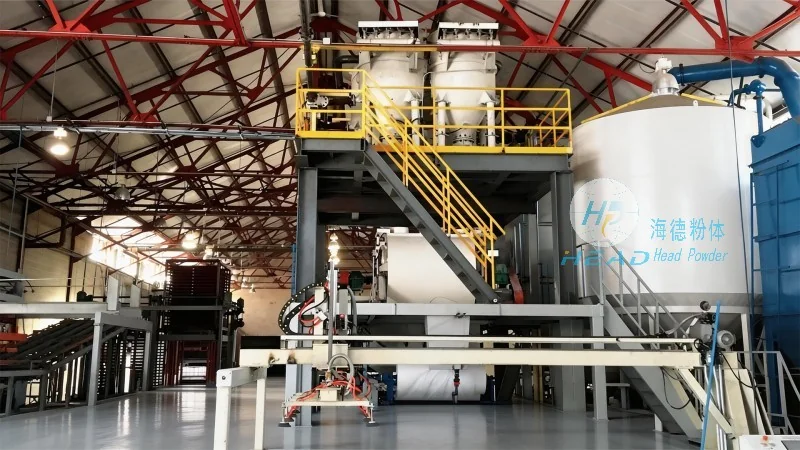
Maintenance and Operational Considerations
Proper maintenance and operational considerations are essential to ensure the longevity and efficiency of a chloroprene rubber pneumatic conveying system. Regular inspection of the conveying line for signs of wear, such as cracks or abrasion, is necessary to prevent leaks or blockages. The air source and control system should be checked regularly to ensure they are functioning optimally, as any issues with air pressure or flow can affect the system's performance. Cleaning the system after each use or at regular intervals is also important to prevent the buildup of material residue, which can lead to clogging or contamination. Additionally, the system should be operated within the recommended parameters, such as air velocity and pressure, to avoid excessive wear on the components. Following the manufacturer's guidelines for maintenance and operation can help maximize the system's lifespan and minimize downtime.




