

Working Principle and Features of Fly Ash Silo Pneumatic Conveying Equipment
For industrial applications involving the handling of fly ash, efficient and reliable equipment is crucial. The fly ash silo pneumatic conveying system, developed by Shandong HeadPowder Engineering Co., Ltd., represents a sophisticated solution designed to meet the demands of modern waste management and material processing. This article delves into the working principle and key features of this equipment, providing insights into its operational efficiency and technological advancements.
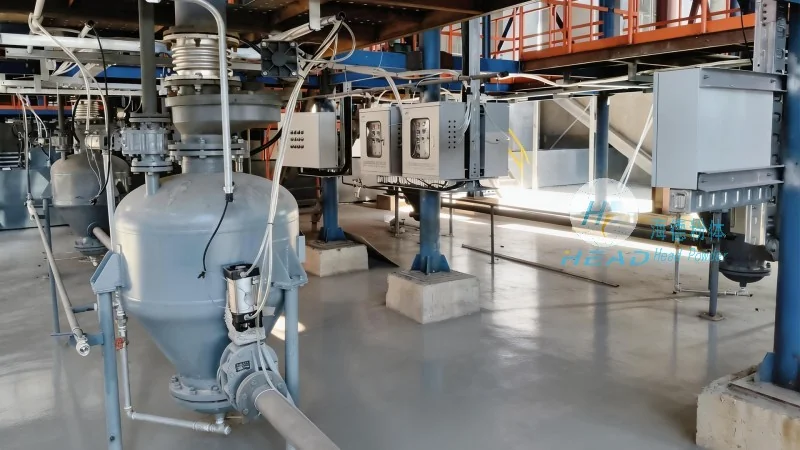
Introduction to Fly Ash Silo Pneumatic Conveying Equipment
Fly ash, a byproduct of coal combustion, is commonly stored in silos before being transported to disposal or utilization sites. Traditional methods of handling fly ash, such as manual shoveling or mechanical conveyors, often present challenges related to dust control, material loss, and operational safety. The pneumatic conveying system addresses these issues by utilizing air pressure to transport fly ash from the silo to the discharge point. This technology is particularly advantageous in environments where dust containment and material integrity are paramount.
Working Principle of the Fly Ash Silo Pneumatic Conveying System
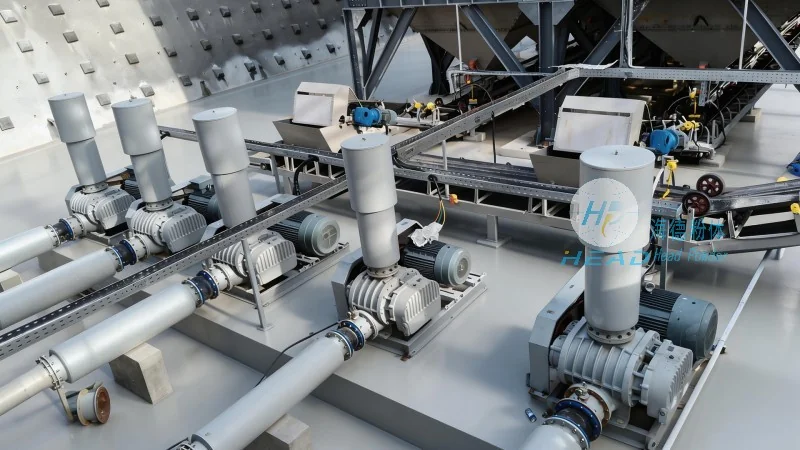
The core of the fly ash silo pneumatic conveying system lies in its ability to transfer bulk materials through a pressurized air stream. The system typically consists of several key components, including the fly ash silo, a blower or air compressor, a conveying pipeline, and a discharge hopper. The process begins with the activation of the blower, which generates a high-pressure air flow. This air is then introduced into the silo, where it lifts the fly ash particles and carries them through the pipeline to the discharge point. The system may employ either positive or negative pressure, depending on the specific application and the distance between the silo and the discharge location. Positive pressure systems are generally used for short-distance conveying, while negative pressure systems are more suitable for longer distances or when dust containment is critical.
During operation, the air flow ensures that the fly ash particles are uniformly suspended and transported without clogging the pipeline. The velocity of the air is carefully controlled to maintain a stable flow, preventing material deposition or blockages. The system also incorporates features such as air filtration and dust collection to minimize environmental impact and ensure compliance with regulatory standards. The blower's capacity is matched to the volume of fly ash being handled, ensuring optimal performance and energy efficiency.
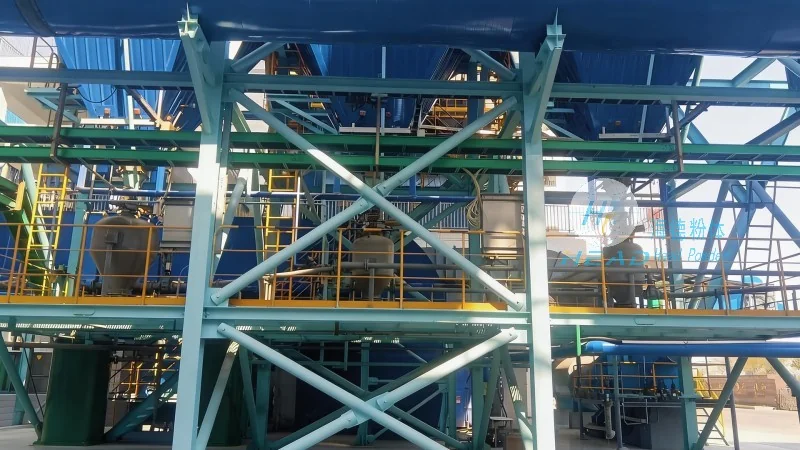
Key Features of the Fly Ash Silo Pneumatic Conveying Equipment
The fly ash silo pneumatic conveying equipment by Shandong HeadPowder Engineering Co., Ltd. is characterized by several notable features that enhance its performance and usability. One of the primary advantages is its ability to handle abrasive and fine materials like fly ash without causing wear and tear on the system components. The equipment is designed with high-quality materials, including corrosion-resistant metals and wear-resistant linings, to extend its service life and reduce maintenance costs.
Another significant feature is the system's flexibility in terms of conveying distance and layout. The modular design allows for easy integration into existing industrial setups, with the ability to adjust the pipeline length and configuration as needed. This adaptability makes the system suitable for a wide range of applications, from small-scale fly ash handling to large-scale industrial operations.
The equipment also incorporates advanced control systems that allow for precise regulation of the air flow and pressure. These controls help maintain consistent material flow rates and prevent overloading or underloading of the system. Additionally, the system may include sensors and monitoring devices to detect any abnormalities, such as blockages or pressure drops, and trigger automatic alerts or shutdown procedures to prevent damage or environmental contamination.
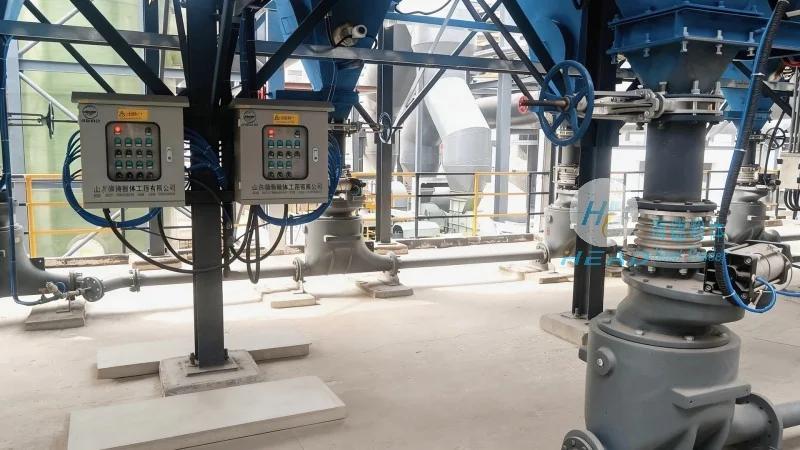
Environmental considerations are a critical aspect of the design, with the system featuring efficient dust collection and filtration mechanisms. This ensures that the operation complies with local air quality regulations and minimizes the impact on the surrounding environment. The use of sealed conveying pipelines further reduces the risk of dust emissions, contributing to a safer and more sustainable operation.
Operational Advantages and Applications
The fly ash silo pneumatic conveying system offers several operational advantages that make it a preferred choice for many industries. The primary benefit is the reduction in labor costs and manual handling, as the system automates the entire conveying process. This not only improves efficiency but also enhances workplace safety by eliminating the need for workers to handle heavy or dusty materials directly.
Furthermore, the system's ability to maintain material integrity is crucial for applications where the quality of the fly ash is critical. By avoiding contact with external elements and minimizing material degradation, the equipment ensures that the fly ash remains in optimal condition for subsequent use, such as in cement production or as a supplementary fuel source.
The equipment is widely used in power plants, cement factories, and other industrial facilities that generate or process fly ash. Its versatility allows it to be integrated into existing infrastructure, providing a cost-effective solution for upgrading or replacing older, less efficient conveying systems. The system's reliability and low maintenance requirements also contribute to its overall cost-effectiveness, making it an attractive investment for long-term material handling needs.
Conclusion
In conclusion, the fly ash silo pneumatic conveying equipment developed by Shandong HeadPowder Engineering Co., Ltd. is a highly effective solution for the efficient and safe handling of fly ash. By leveraging the principles of pneumatic conveying, the system addresses the challenges associated with traditional fly ash handling methods, offering improved performance, reduced environmental impact, and enhanced operational safety. With its robust design, advanced control features, and adaptability, this equipment is well-suited for a variety of industrial applications, providing a reliable and sustainable solution for fly ash management.