

Working Principle and Features of Zinc Oxide Powder Pneumatic Conveying Systems
For industrial applications requiring the efficient and reliable transport of zinc oxide powder, pneumatic conveying systems offer a robust solution. This article explores the working principle and key features of such systems, highlighting how they enhance material handling processes in manufacturing environments.
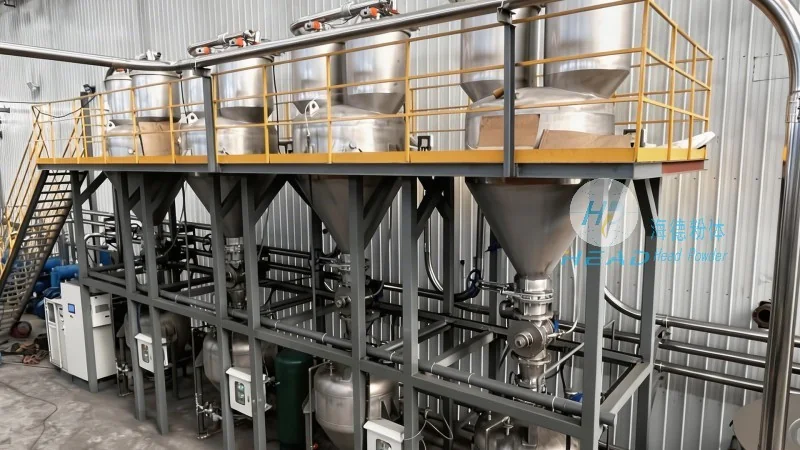
Understanding the Working Principle of Zinc Oxide Powder Pneumatic Conveying Systems
The core mechanism of a pneumatic conveying system involves the use of air or gas to transport particulate materials like zinc oxide powder through a pipeline. The process typically begins with the material being fed into a hopper or feeder, where it is then drawn into a conveying line by a vacuum or pressure source. As the air flows through the system, it creates a flow of the powder, ensuring it moves from the source to the destination without the need for mechanical components like belts or buckets.
Key components in this system include the feeder, which controls the flow rate of the zinc oxide powder, the conveying line itself, and the air mover (either a vacuum pump or a positive displacement blower). The air mover generates the necessary pressure or vacuum to propel the powder through the pipeline. The system may also incorporate features like cyclones or filters to separate the powder from the air at the end of the conveying process, ensuring that the material is delivered in a clean and controlled manner.
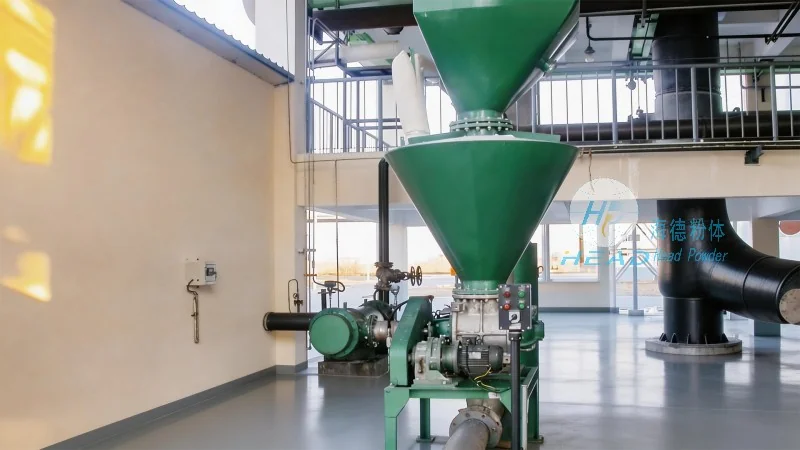
Key Features and Advantages of Zinc Oxide Powder Pneumatic Conveying Systems
One of the primary advantages of pneumatic conveying systems for zinc oxide powder is their ability to handle fine, abrasive, or hygroscopic materials without causing degradation or contamination. Unlike mechanical systems, which may generate friction or heat that could affect the quality of the powder, pneumatic systems maintain a low-temperature environment, preserving the integrity of the material.
Another significant feature is the system's flexibility in terms of layout and integration. Pneumatic conveying lines can be easily reconfigured or expanded to accommodate changes in production needs or facility layouts. This adaptability makes them suitable for a wide range of industrial applications, from small-scale laboratory operations to large-scale manufacturing plants.
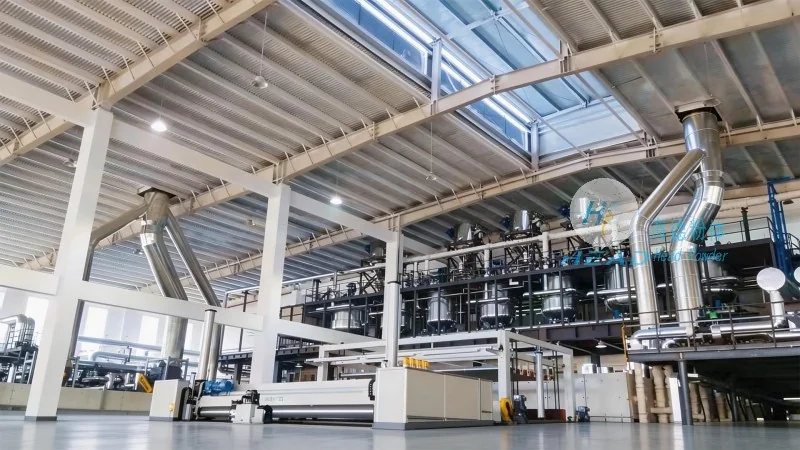
Efficiency and cost-effectiveness are also notable features. By eliminating the need for multiple transfer points or manual handling, pneumatic systems reduce labor costs and minimize the risk of material loss or spillage. Additionally, the compact design of many pneumatic conveying systems allows for installation in limited spaces, optimizing the use of available floor area in industrial facilities.
About Shandong HeadPowder Engineering Co., Ltd.
Shandong HeadPowder Engineering Co., Ltd., operating under the brand name HeadPowder, specializes in the design, manufacturing, and installation of advanced material handling systems, including pneumatic conveying solutions for various powders, including zinc oxide. With a focus on innovation and customer-centric solutions, the company provides tailored systems that meet the specific requirements of industrial clients, ensuring optimal performance and reliability.
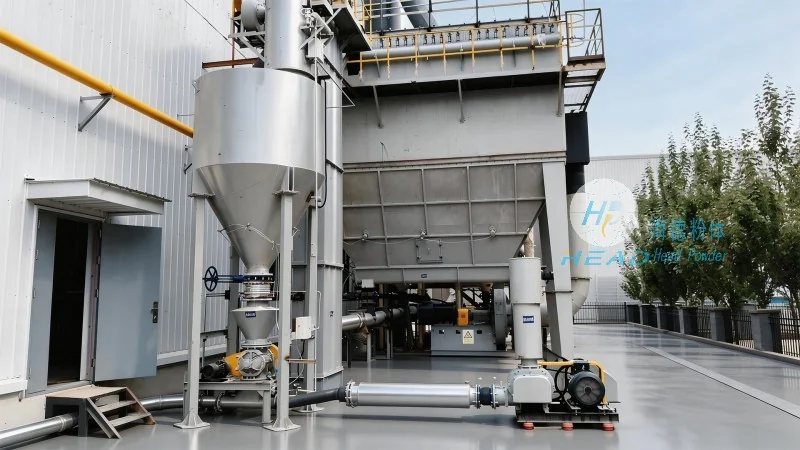
HeadPowder's commitment to quality and engineering excellence is reflected in its state-of-the-art facilities and experienced team of engineers and technicians. The company adheres to international standards and best practices in the design and construction of pneumatic conveying systems, ensuring that each installation is tailored to the unique needs of the client and the material being handled.
Conclusion
Pneumatic conveying systems represent a sophisticated and efficient method for transporting zinc oxide powder, offering numerous advantages over traditional mechanical systems. By leveraging the principles of air movement and material handling, these systems enhance productivity, maintain material quality, and reduce operational costs. For industries relying on zinc oxide powder, investing in a well-designed pneumatic conveying system can significantly improve overall operational efficiency and product consistency.