When it comes to processing various materials in industrial settings, the efficient and reliable delivery of additives is crucial for maintaining product quality and operational efficiency. Additives, such as colorants, flavor enhancers, or functional agents, are often required in precise quantities to achieve the desired end product characteristics. The choice of delivery method can significantly impact production consistency, safety, and overall cost-effectiveness. This article provides a detailed comparison of the most common additive delivery methods used in industrial applications, highlighting their advantages, limitations, and suitability for different scenarios.
Pump-Driven Systems for Liquid Additives
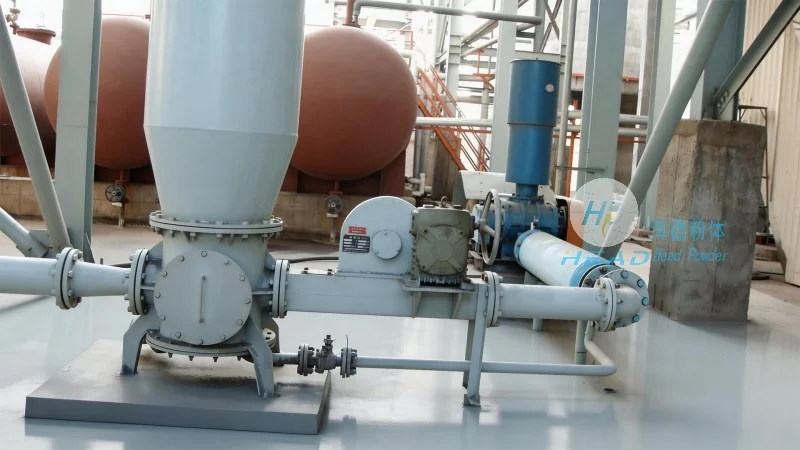
For liquid additives, pump-driven systems are among the most widely used delivery methods. These systems typically involve a positive displacement pump, like a metering pump or a diaphragm pump, which can accurately control the flow rate of the additive. The pump is connected to a storage tank or a bulk container, and the additive is drawn into the pump and then dispensed into the main process stream. This method offers high precision in dosing, making it ideal for applications where exact concentration control is critical. For example, in food processing, pharmaceutical manufacturing, or chemical production, where even small variations in additive concentration can affect product performance. The pump system can be integrated with automated control systems, allowing for real-time adjustments based on process parameters. However, pump-driven systems may require regular maintenance to ensure consistent performance, and they are generally more suitable for low to medium viscosity liquids. High viscosity or abrasive additives might cause wear on pump components, leading to potential downtime and increased maintenance costs.
Screw or Auger Conveyors for Powdered Additives
Screw or auger conveyors are commonly employed for the delivery of powdered additives. These devices consist of a rotating helical screw inside a tube or housing, which moves the additive forward through the system. The screw's speed and pitch can be adjusted to control the flow rate, providing a reliable and continuous feed. This method is particularly effective for dry, free-flowing powders, such as color pigments, flavorings, or functional powders. The screw conveyor can be integrated with a feeder or a metering device to ensure precise dosing. One of the key advantages of this system is its simplicity and low maintenance requirements. Unlike pneumatic systems, screw conveyors do not require compressed air, reducing energy consumption and operational costs. They are also suitable for handling additives with varying particle sizes, as the screw design can accommodate different bulk densities. However, screw conveyors may not be as effective for additives that are cohesive or have high moisture content, as these materials can cause blockages or reduced flow rates. In such cases, additional equipment like vibrators or air knives may be needed to improve material flow.
Pneumatic (Air) Conveying Systems for Granular Additives
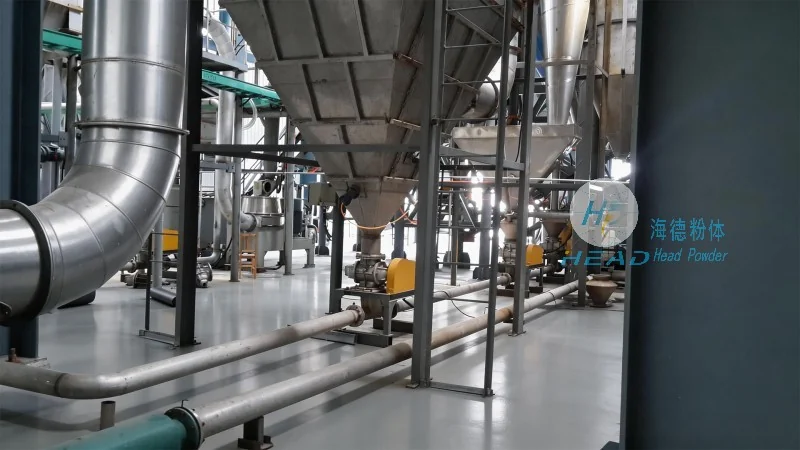
Pneumatic conveying systems use compressed air to transport additives, particularly granular or fine powders, from a storage hopper to the processing point. These systems can be categorized into two main types: pressure and vacuum. In pressure systems, air is introduced into the hopper, creating a pressure differential that pushes the additive through a pipeline to the destination. Vacuum systems, on the other hand, create a negative pressure that draws the additive from the hopper into the pipeline. Pneumatic conveying offers high flexibility in terms of system layout, as the pipeline can be arranged to follow the existing plant layout. This method is ideal for long-distance transport and for handling additives that are sensitive to moisture or contamination, as the material is enclosed within the pipeline. The system can also be equipped with filters and cyclones to separate any fines or dust, ensuring a clean delivery. However, pneumatic systems require a significant amount of energy to operate, especially for high-volume or long-distance transport. The air flow rate must be carefully controlled to avoid material degradation or excessive pressure drops. Additionally, the system may not be suitable for additives with high moisture content or those that are prone to caking, as these materials can cause blockages in the pipeline.
Bulk Handling and Storage Solutions for Large-Scale Additive Delivery
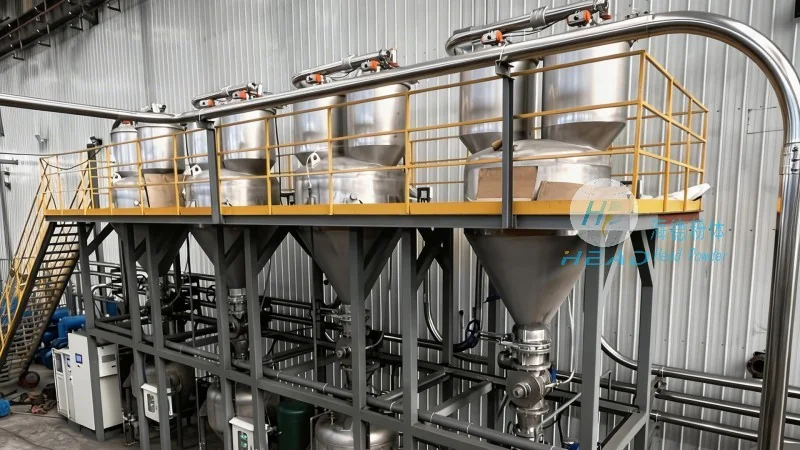
For large-scale industrial operations, bulk handling and storage solutions are essential for efficient additive delivery. These systems typically involve large storage silos or hoppers, which are designed to hold substantial quantities of additives. The storage vessels are equipped with level sensors and flow meters to monitor the inventory and control the discharge rate. Bulk handling systems often integrate with conveyor or pump systems to transport the additive from storage to the processing line. This approach is particularly beneficial for companies that require a steady supply of additives over extended periods, reducing the need for frequent deliveries and inventory management. The use of bulk storage also minimizes the risk of contamination and ensures a consistent quality of the additive. For example, in the chemical industry, where large quantities of chemical additives are used in production, bulk storage systems can significantly improve operational efficiency. However, bulk handling systems require substantial capital investment and may need specialized equipment for unloading and loading. The system must also be designed to handle the specific properties of the additive, such as its bulk density, flowability, and potential for caking. Proper maintenance and regular inspections are necessary to prevent material buildup and ensure smooth operation.
About Shandong HeadPowder Engineering Co., Ltd.
Shandong HeadPowder Engineering Co., Ltd., commonly known as HeadPowder, is a leading manufacturer of specialized equipment for additive delivery and processing. With a strong focus on innovation and quality, HeadPowder provides a wide range of solutions tailored to the needs of various industries, including food, pharmaceuticals, chemicals, and cosmetics. The company's product line includes pump-driven systems, screw conveyors, pneumatic conveying equipment, and bulk handling solutions, all designed to meet the highest standards of performance and reliability. HeadPowder's commitment to customer satisfaction is reflected in its comprehensive after-sales support, technical assistance, and customization services. The company's facilities are located in Shandong, China, where it leverages advanced manufacturing technologies and a skilled workforce to produce durable and efficient equipment. By partnering with HeadPowder, businesses can enhance their additive delivery processes, improve product quality, and achieve greater operational efficiency.




