Organic fertilizer granule pneumatic conveying technology is a crucial process in the agricultural and fertilizer industry, enabling efficient and reliable transportation of granular organic fertilizers. This technology involves using air as the conveying medium to move organic fertilizer granules from one location to another, often within industrial facilities or between different stages of production. The choice of conveying mode—whether positive pressure or negative pressure—significantly impacts system performance, energy consumption, and operational safety. Understanding the differences between these two modes is essential for selecting the most suitable solution for specific applications.
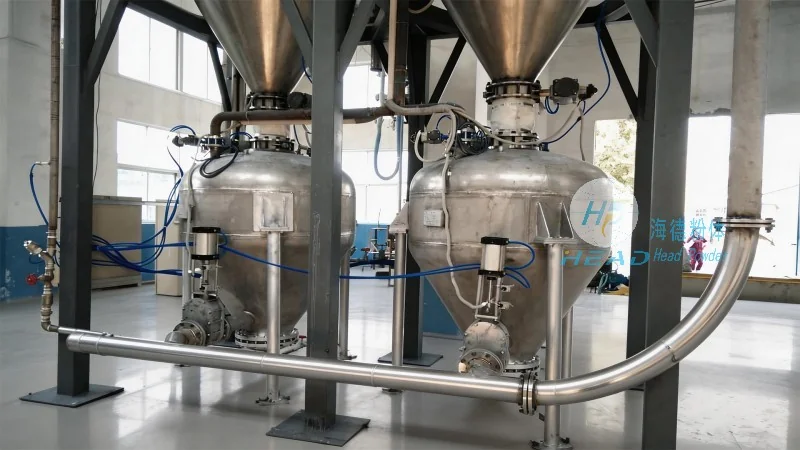
HeadPowder Engineering: A Leader in Pneumatic Conveying Solutions
Shandong HeadPowder Engineering Co., Ltd. (HeadPowder) is a prominent manufacturer and supplier of pneumatic conveying systems, specializing in technologies tailored for organic fertilizer granules. With a strong presence in China, particularly in Shandong, HeadPowder leverages decades of experience to design, manufacture, and implement advanced conveying solutions that meet the unique demands of the fertilizer industry. The company’s expertise spans the entire spectrum of pneumatic conveying, from basic positive pressure systems to sophisticated negative pressure designs, ensuring clients receive customized solutions that optimize efficiency and reduce operational costs.
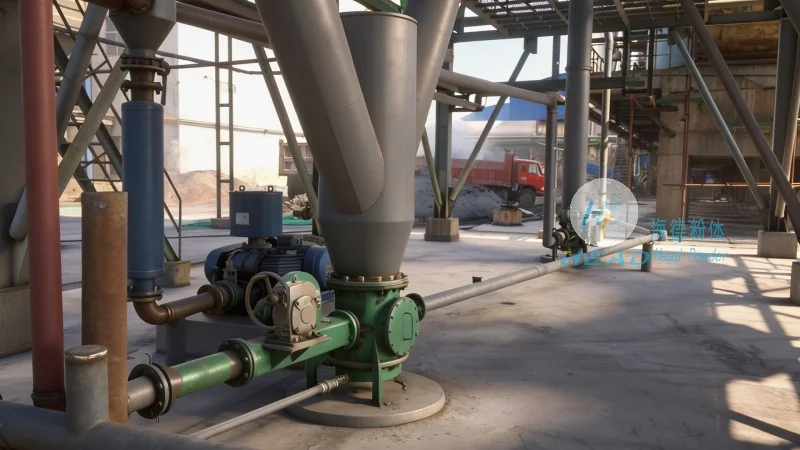
Positive Pressure Pneumatic Conveying Mode
Positive pressure pneumatic conveying operates by blowing air into the conveying line, creating a pressure higher than the ambient air pressure. This method is widely used for transporting organic fertilizer granules due to its simplicity and effectiveness. The system typically consists of a blower, a hopper for material storage, a conveying line, and a discharge point. As air is forced through the line, it carries the granules along, ensuring a continuous flow. One of the key advantages of positive pressure systems is their ability to handle a wide range of particle sizes and moisture contents, making them suitable for various organic fertilizer formulations. Additionally, positive pressure systems are generally more robust and easier to maintain, as they do not require complex vacuum components. However, they may consume more energy compared to negative pressure systems, especially when conveying long distances or large volumes of material.
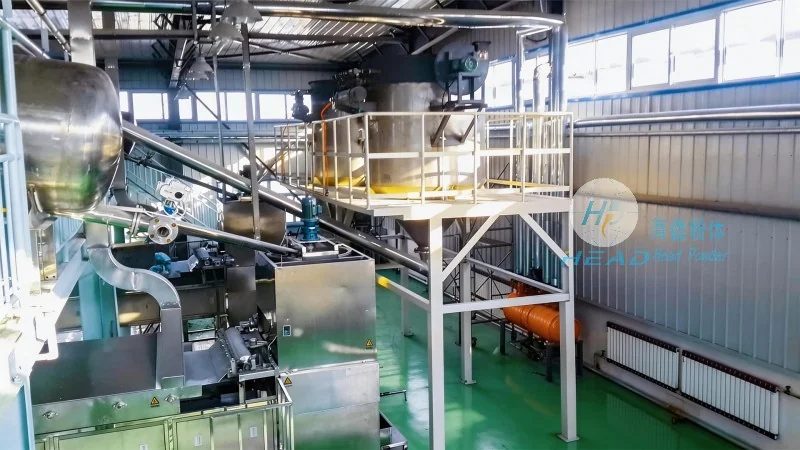
Negative Pressure Pneumatic Conveying Mode
Negative pressure pneumatic conveying, also known as vacuum conveying, works by creating a vacuum in the conveying line, drawing air and material particles into the system. This mode is often preferred for applications requiring gentle handling of delicate organic fertilizer granules, as the lower air velocity reduces the risk of particle breakage or attrition. The system includes a vacuum pump, a hopper, a conveying line, and a filter to capture fine particles. Negative pressure systems are particularly effective for short to medium-distance conveying and for handling materials that are sensitive to high air velocities. A significant benefit of negative pressure is its lower energy consumption for short distances, as the vacuum pump operates at a lower pressure. However, negative pressure systems may be more complex to install and maintain, as they require careful attention to sealing and filtration to prevent air leaks and material loss. They are also less suitable for long-distance or high-volume conveying due to the limitations of vacuum technology.
Key Considerations for Choosing Between Positive and Negative Pressure Modes
When selecting a pneumatic conveying mode for organic fertilizer granules, several factors must be considered to ensure optimal performance and cost-effectiveness. The first consideration is the distance and volume of material to be conveyed. Positive pressure systems are generally more efficient for long-distance or high-volume applications, as they can maintain consistent pressure and flow. In contrast, negative pressure systems are better suited for short distances and lower volumes, where energy savings are a priority. The second factor is the physical properties of the organic fertilizer granules, such as particle size, moisture content, and abrasiveness. Positive pressure systems excel with coarse or abrasive materials, while negative pressure is preferred for fine or delicate particles. The third consideration is the operational environment and safety requirements. Positive pressure systems may require additional safety measures to prevent air leaks and pressure buildup, whereas negative pressure systems need careful filtration to avoid dust contamination. Finally, the cost of installation and maintenance should be evaluated. Positive pressure systems are often more economical to install, as they require fewer complex components, but may incur higher energy costs. Negative pressure systems, while more expensive to install, can offer long-term savings in energy consumption for short-distance applications.
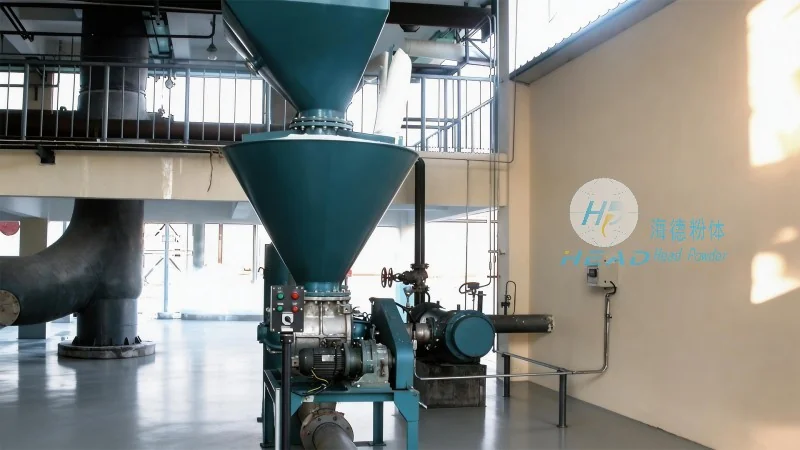
Conclusion: Tailoring Pneumatic Conveying Solutions for Organic Fertilizers
Organic fertilizer granule pneumatic conveying technology plays a vital role in modern fertilizer production, enabling efficient material handling and transportation. The choice between positive and negative pressure modes depends on the specific requirements of the application, including distance, volume, material properties, and operational constraints. Shandong HeadPowder Engineering Co., Ltd. provides comprehensive solutions that address these factors, offering customized pneumatic conveying systems designed to meet the unique needs of clients. By understanding the advantages and limitations of each mode, industry professionals can select the most appropriate technology to optimize efficiency, reduce costs, and ensure safe and reliable operation. As the demand for organic fertilizers continues to grow, the importance of advanced pneumatic conveying technology will only increase, making it essential for manufacturers to invest in reliable and efficient systems.




