When it comes to handling clay coal powder in industrial processes, selecting the appropriate pneumatic conveying system is crucial for efficiency, safety, and cost-effectiveness. The right system can significantly improve material flow, reduce downtime, and enhance overall operational performance. This guide will help you understand the key factors to consider when choosing a pneumatic conveying system tailored to your clay coal powder handling needs.
Understanding the Importance of Pneumatic Conveying for Clay Coal Powder
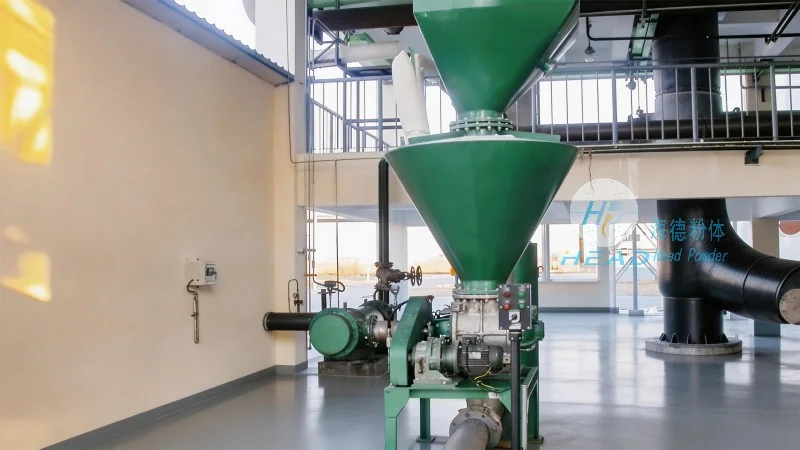
Clay coal powder, with its fine particle size and potential for dust generation, requires specialized handling equipment to ensure smooth and safe transport. Pneumatic conveying systems use air or other gases to move powders through a pipeline, offering advantages over traditional mechanical methods such as reduced equipment wear, lower maintenance costs, and the ability to handle materials in a closed system, minimizing environmental impact. For industries dealing with clay coal powder, the choice of a suitable pneumatic conveying system directly impacts production efficiency and operational safety.
Key Factors to Consider When Selecting a Pneumatic Conveying System
Several critical factors must be evaluated when choosing a pneumatic conveying system for clay coal powder. The first consideration is the material's properties, including particle size distribution, moisture content, and bulk density. These characteristics influence the system's design, such as the type of air flow (positive or negative pressure) and the required air velocity to prevent clogging and ensure consistent material transport. Additionally, the system's capacity and flow rate must align with the production requirements to avoid bottlenecks or overloading. The distance and layout of the conveying route also play a role, as different system configurations (e.g., dilute-phase, dense-phase) are suitable for varying distances and material characteristics.
Types of Pneumatic Conveying Systems for Clay Coal Powder
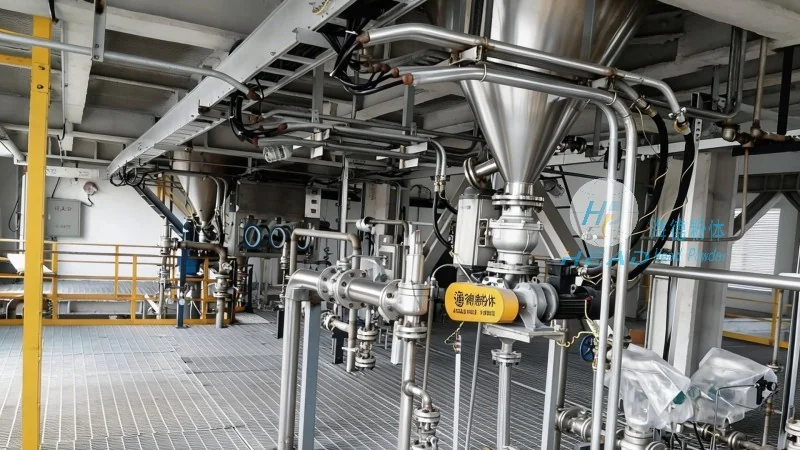
There are primarily two types of pneumatic conveying systems commonly used for handling clay coal powder: dilute-phase and dense-phase systems. Dilute-phase systems operate at higher air velocities, transporting particles in a dispersed state, making them ideal for short to medium distances and materials with good flowability. Dense-phase systems, on the other hand, use lower air velocities and higher material-to-air ratios, resulting in a more concentrated flow. This method is suitable for longer distances, sensitive materials, or when precise control over material discharge is needed. For clay coal powder, which can be abrasive and prone to dust, dense-phase systems may offer better control and reduced wear on equipment components. The choice between these systems depends on the specific application requirements, including distance, material characteristics, and operational constraints.
Material Handling Challenges and Solutions in Clay Coal Powder Conveying
Handling clay coal powder presents unique challenges, including particle agglomeration, dust generation, and equipment wear. Agglomeration can lead to blockages in the conveying line, causing system downtime and increased maintenance. To address this, some systems incorporate features like in-line mixers or vibration devices to break up clumps and maintain consistent flow. Dust control is another critical aspect, as fine powders can create health hazards and environmental issues. Pneumatic conveying systems can be equipped with dust collection and filtration systems to capture and contain airborne particles, ensuring compliance with safety and environmental regulations. Additionally, the selection of materials for system components, such as pipelines and valves, is essential to withstand the abrasive nature of clay coal powder and prevent premature wear.
Role of HeadPowder in Providing Customized Pneumatic Conveying Solutions
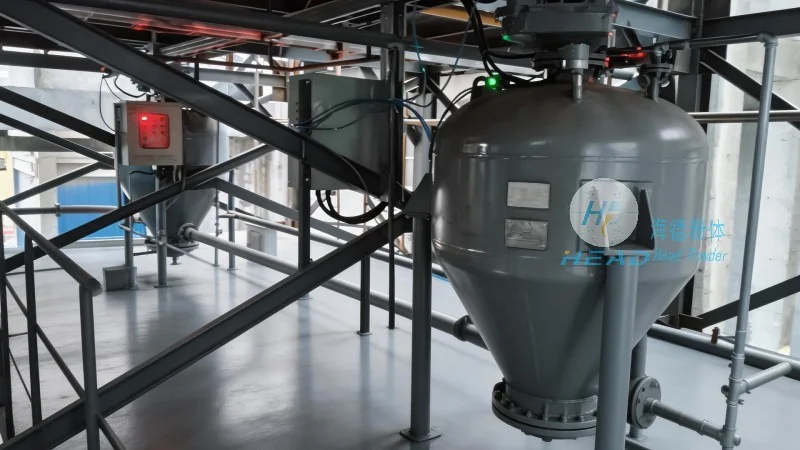
Shandong HeadPowder Engineering Co., Ltd., a leading provider of industrial conveying solutions, specializes in designing and manufacturing pneumatic conveying systems tailored to the specific needs of clients handling clay coal powder. With a focus on innovation and customer satisfaction, HeadPowder offers customized solutions that address the unique challenges of clay coal powder handling. The company's expertise lies in understanding the material properties and operational requirements of each client, ensuring that the selected system is optimized for efficiency, reliability, and cost-effectiveness. HeadPowder's team of engineers works closely with clients to assess their specific needs, from material characteristics and conveying distances to production capacity and environmental regulations. By leveraging advanced technology and years of industry experience, HeadPowder provides systems that enhance operational performance and reduce downtime.
Conclusion: Making the Right Choice for Your Clay Coal Powder Handling Process
Selecting the right pneumatic conveying system for your clay coal powder handling process is a critical decision that impacts operational efficiency, safety, and cost. By considering factors such as material properties, system capacity, and conveying distance, and choosing between dilute-phase and dense-phase systems based on specific requirements, you can ensure smooth and reliable material transport. Working with a reputable company like Shandong HeadPowder Engineering Co., Ltd. can provide the expertise and customized solutions needed to address the unique challenges of clay coal powder handling. With the right system in place, you can enhance production efficiency, reduce maintenance costs, and ensure compliance with safety and environmental regulations, ultimately contributing to the success of your industrial operations.




