HeadPowder, a leading engineering company based in Shandong, China, specializes in the design and implementation of advanced pneumatic conveying systems for biomass powder applications. This technical analysis provides a comprehensive comparison of positive pressure and negative pressure conveying modes, highlighting their respective advantages, limitations, and optimal use cases in industrial settings.
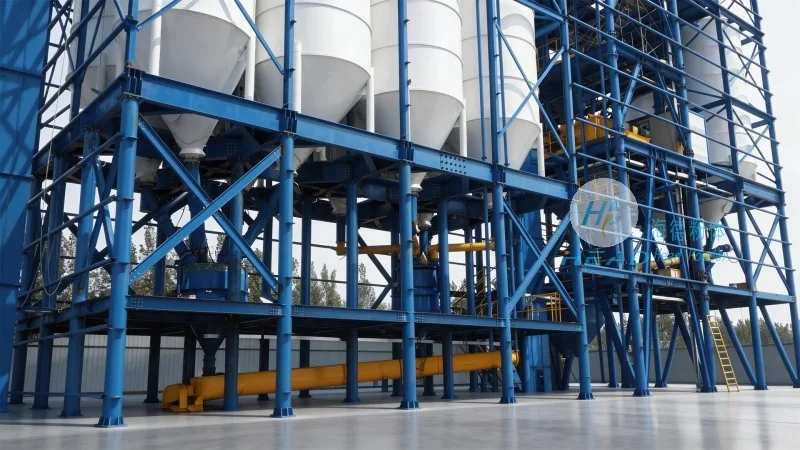
Overview of Biomass Powder Pneumatic Conveying Systems
Biomass powder, derived from organic materials such as wood chips, agricultural residues, or dedicated energy crops, is a critical feedstock in renewable energy and biofuel production. Efficient and reliable material handling is essential to ensure consistent process performance and minimize operational downtime. Pneumatic conveying systems offer a flexible and effective solution for transporting biomass powders over short to medium distances, with the ability to handle abrasive and dusty materials without the need for mechanical components like belts or buckets.
Positive Pressure Conveying Mode: Advantages and Applications
Positive pressure conveying systems operate by blowing air or a carrier gas into the material stream, creating a pressure differential that propels the biomass powder through the pipeline. This mode is particularly well-suited for applications requiring high material throughput and the ability to transport materials over longer distances or through complex network configurations. One of the key advantages of positive pressure systems is their ability to handle high concentrations of solids, often operating at bulk densities that can exceed 20 kg/m³, which is beneficial for maximizing material transport efficiency. Additionally, positive pressure systems can accommodate a wide range of particle sizes and shapes, making them versatile for various biomass feedstocks. However, they may require more robust equipment to withstand the higher pressures and can generate more noise and dust emissions compared to negative pressure systems.
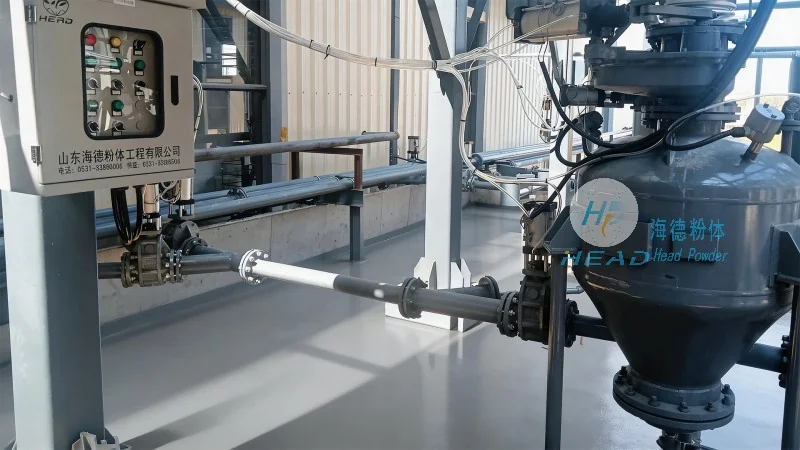
Negative Pressure Conveying Mode: Advantages and Applications
Negative pressure conveying systems, also known as vacuum systems, operate by creating a vacuum in the pipeline to draw the biomass powder into the system. This mode is ideal for applications where the material source is located at a higher elevation or where the system needs to transport materials over shorter distances with minimal pressure buildup. A significant advantage of negative pressure systems is their lower operational noise levels and reduced risk of dust leakage compared to positive pressure systems. They are also generally more energy-efficient for short-distance transport, as the vacuum pump only needs to overcome the resistance of the pipeline and material. However, negative pressure systems are typically limited to lower material concentrations, often operating at bulk densities below 10 kg/m³, which can result in lower overall throughput. They may also be more susceptible to clogging in the suction line and require more careful maintenance to prevent air leaks that could compromise system performance.
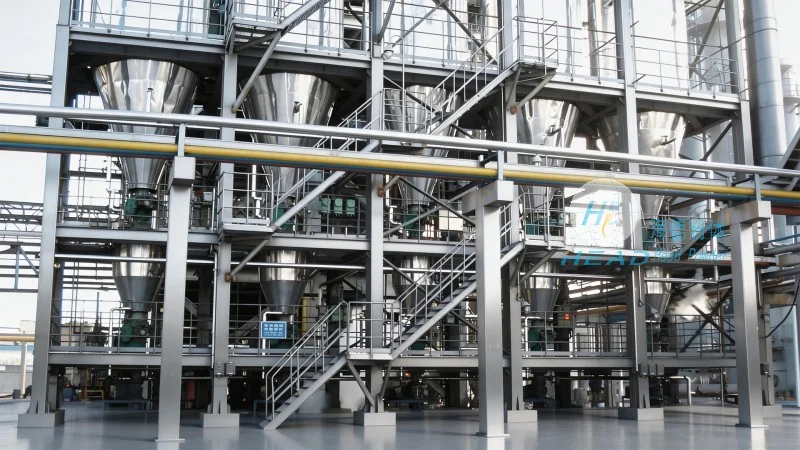
Key Considerations for System Selection
The choice between positive pressure and negative pressure conveying modes depends on several factors, including the distance and layout of the conveying system, the required material throughput, the physical properties of the biomass powder (such as particle size, moisture content, and abrasiveness), and the available space and budget for equipment installation. For instance, in large-scale biomass processing facilities where long-distance transport is required and high material throughput is critical, positive pressure systems may be the preferred choice due to their higher capacity and flexibility. Conversely, in smaller-scale applications or where the material source is elevated and short-distance transport is sufficient, negative pressure systems can offer cost-effective and low-noise solutions. HeadPowder engineers carefully evaluate these factors to design customized pneumatic conveying systems that optimize performance, reliability, and operational costs for each client's specific needs.
Conclusion
Both positive pressure and negative pressure conveying modes offer viable solutions for biomass powder handling, each with distinct advantages and limitations. Positive pressure systems excel in high-throughput, long-distance applications, while negative pressure systems are better suited for low-noise, short-distance transport. By understanding the specific requirements of the biomass processing operation, companies can select the most appropriate conveying mode to ensure efficient material handling, minimize downtime, and enhance overall process productivity. HeadPowder, with its expertise in engineering and system design, provides tailored solutions that leverage the strengths of each conveying mode to meet the unique challenges of biomass powder transport in various industrial settings.




