When it comes to handling and transporting tungsten carbide—a material prized for its exceptional hardness, wear resistance, and high melting point—selecting the right pneumatic conveying system is critical to ensuring efficiency, safety, and cost-effectiveness in your production workflow. Tungsten carbide powders and components require specialized equipment to manage their unique properties, such as high density, abrasive nature, and potential for dust explosion risks. A well-designed pneumatic conveying system not only optimizes material movement but also safeguards your facility and personnel from hazards associated with these materials.
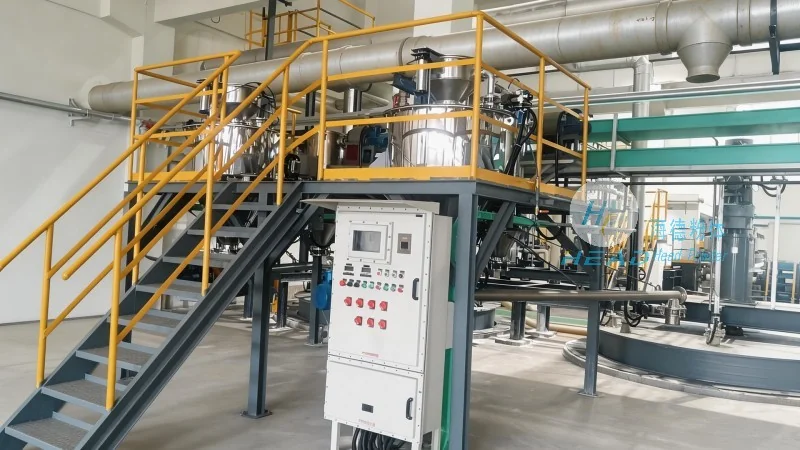
Understanding the Importance of Tailored Pneumatic Conveying Solutions
For industries relying on tungsten carbide, the choice of pneumatic conveying system is not a generic decision but a strategic one. The material’s characteristics demand systems that can handle high pressures, control particle flow, and maintain material integrity. Traditional bulk handling methods may fall short in managing the challenges posed by tungsten carbide, including its tendency to agglomerate, create dust, or cause equipment wear. By investing in a system specifically engineered for tungsten carbide, you can enhance process reliability, reduce downtime, and improve overall operational performance.
About Shandong HeadPowder Engineering Co., Ltd.
HeadPowder, a leading provider of engineering solutions for material handling, specializes in designing and manufacturing pneumatic conveying systems tailored to the unique needs of tungsten carbide processing. With years of experience in the industry, our team of experts understands the complexities of handling such high-performance materials. Our company, based in Shandong, China, combines advanced technology with practical engineering knowledge to deliver systems that meet the rigorous demands of modern manufacturing. We focus on creating solutions that are not only efficient but also safe and durable, ensuring long-term value for our clients.
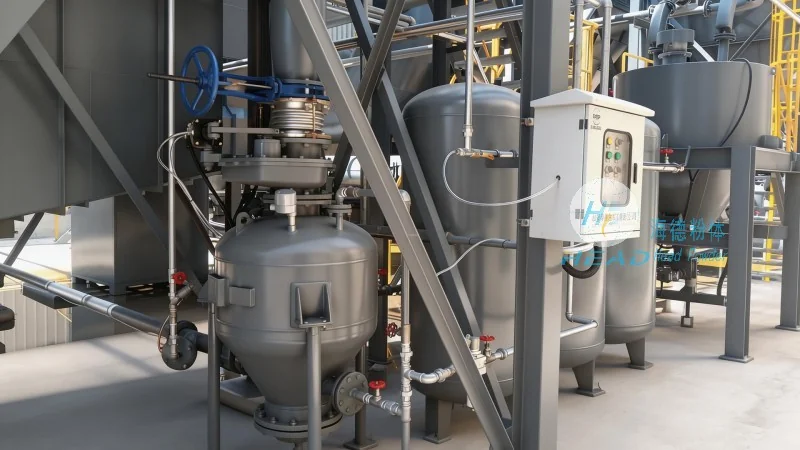
Key Considerations When Selecting a Pneumatic Conveying System for Tungsten Carbide
Choosing the right pneumatic conveying system for tungsten carbide involves evaluating several critical factors. First, consider the system’s capacity and pressure capabilities. Tungsten carbide powders often require higher pressure systems to maintain flow and prevent blockages, especially in long-distance or complex layouts. Second, the system’s design must address dust control and explosion prevention. Tungsten carbide dust is a serious fire and explosion hazard, so systems must incorporate proper venting, grounding, and explosion-proof components. Third, material compatibility is essential—components such as pipes, valves, and filters must be constructed from materials resistant to the abrasive and corrosive nature of tungsten carbide. Finally, consider the system’s flexibility and scalability. As your production needs evolve, a system that can adapt to changes in material volume or processing requirements will provide long-term benefits.
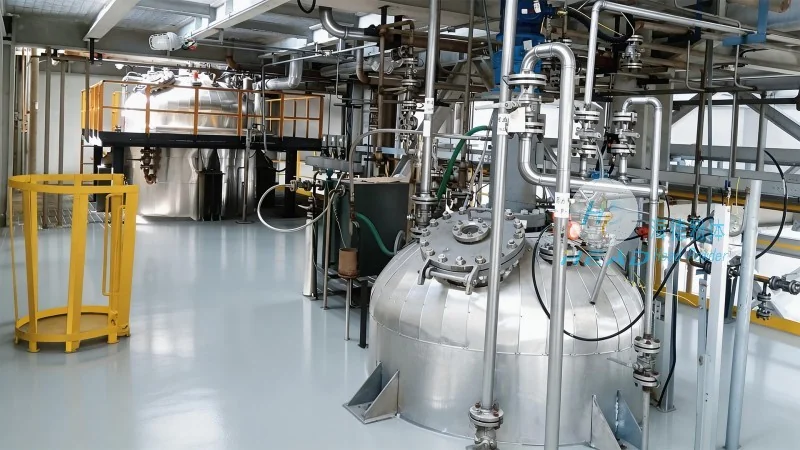
Types of Pneumatic Conveying Systems for Tungsten Carbide
There are several types of pneumatic conveying systems suitable for tungsten carbide handling, each with its own advantages and applications. The most common types include pressure conveying systems, vacuum conveying systems, and hybrid systems. Pressure conveying systems use compressed air to push material through a closed pipeline, making them ideal for long-distance or high-volume transport. These systems are particularly effective for handling abrasive materials like tungsten carbide, as they maintain consistent flow and reduce wear on components. Vacuum conveying systems, on the other hand, use suction to draw material into the system, which is well-suited for material transfer from multiple sources or for handling fine powders. Hybrid systems combine both pressure and vacuum capabilities, offering flexibility for complex material handling scenarios. When selecting a system type, consider factors such as the distance between processing points, the volume of material to be moved, and the layout of your facility.
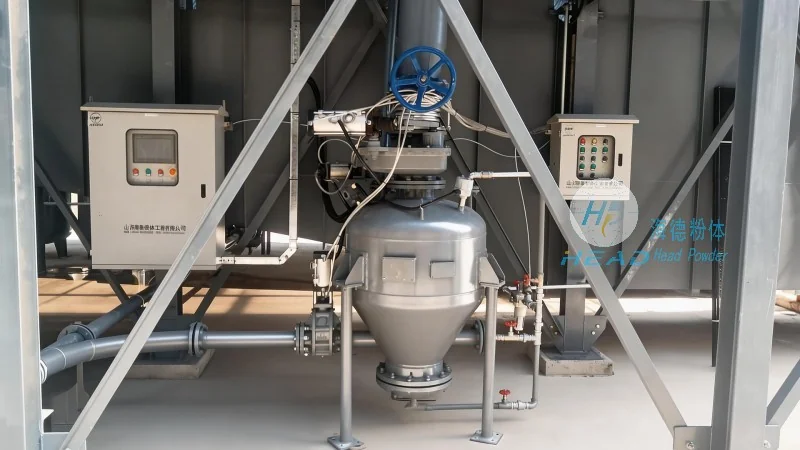
Design and Installation Considerations for Tungsten Carbide Pneumatic Conveying
The design and installation of a pneumatic conveying system for tungsten carbide require careful planning to ensure optimal performance and safety. System design must account for the material’s density and flow characteristics. For example, higher density materials like tungsten carbide may require larger pipe diameters or higher air velocities to maintain flow. Additionally, the system’s layout should minimize bends and changes in direction, as these can cause material buildup or blockages. Proper maintenance is also crucial—regular cleaning of filters, pipes, and other components is necessary to prevent dust accumulation and equipment failure. Installation should follow industry standards for explosion prevention, including grounding, bonding, and proper venting of dust. By adhering to these design and installation principles, you can ensure your system operates reliably and safely for years to come.
Benefits of Choosing a Specialized Pneumatic Conveying System from HeadPowder
Partnering with HeadPowder for your tungsten carbide pneumatic conveying needs offers several key benefits. Our systems are engineered specifically for the challenges of handling tungsten carbide, ensuring that every component is designed to withstand the material’s abrasive and high-density properties. This results in longer equipment life and reduced maintenance costs. Our team provides comprehensive support, from system design and installation to ongoing maintenance and troubleshooting. We work closely with clients to understand their unique production requirements and tailor solutions that meet their specific needs. By choosing HeadPowder, you gain access to a partner with deep industry expertise and a commitment to delivering high-quality, reliable systems that enhance your operational efficiency and safety.




