Magnesia, a critical industrial material utilized in refractory production, steelmaking, and high-temperature applications, demands efficient material handling solutions. The pneumatic conveying system for magnesia provides a sophisticated method to transport this material from storage to processing units, ensuring minimal dust generation and operational safety. This article explores the fundamental principles and operational mechanisms of magnesia pneumatic conveying equipment, highlighting its design, functionality, and practical applications.
Core Components and Working Principle
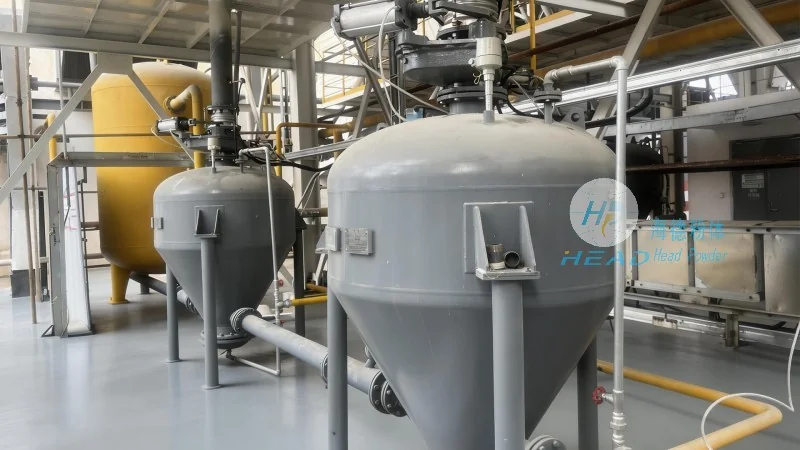
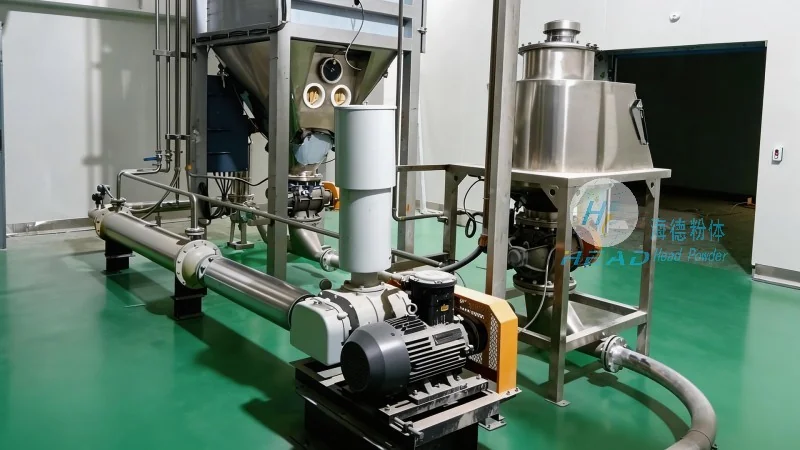
The magnesia pneumatic conveying system comprises several critical components that collaborate to achieve material transport. Key elements include a hopper or feeder for material storage, a conveying pipeline, a blower or air compressor to generate necessary airflow, and a receiver or discharge unit for material collection. The working principle centers on compressed air creating a flow that entrains magnesia particles, moving them through the pipeline. As air velocity overcomes gravitational and frictional forces on particles, magnesia is carried along the pipeline to the destination. The system often uses positive and negative pressure zones to optimize conveying efficiency, preventing blockages or excessive pressure drops.
Design Considerations for Magnesia Pneumatic Conveying
Designing an effective magnesia pneumatic conveying system requires careful consideration of factors to ensure optimal performance and longevity. Material compatibility is critical, as equipment must resist magnesia’s chemical and thermal properties, such as high-temperature resistance and corrosion resistance. Pipeline design, including diameter and material, is vital for consistent airflow and preventing particle degradation. The selection of the blower or air compressor is also crucial, as it must provide sufficient air volume and pressure to handle magnesia’s specific characteristics, including particle size distribution and density. The system incorporates cyclone separators and filters to separate magnesia from the air stream, delivering material in a clean, dry state while safely venting or recycling air.
Advantages of Magnesia Pneumatic Conveying
Compared to traditional mechanical conveying methods, magnesia pneumatic conveying offers distinct advantages for industrial applications. A primary benefit is reduced dust exposure, enhancing workplace safety and environmental compliance. The system eliminates moving parts in the conveying line, reducing maintenance needs and operational downtime. Additionally, pipelines allow flexible, compact layouts to accommodate diverse plant configurations. Pneumatic conveying enables long-distance transport without intermediate storage or transfer points, improving process efficiency. The system can also be easily integrated with other industrial processes, such as mixing or blending, creating a seamless material handling workflow.
Applications and Industrial Use Cases
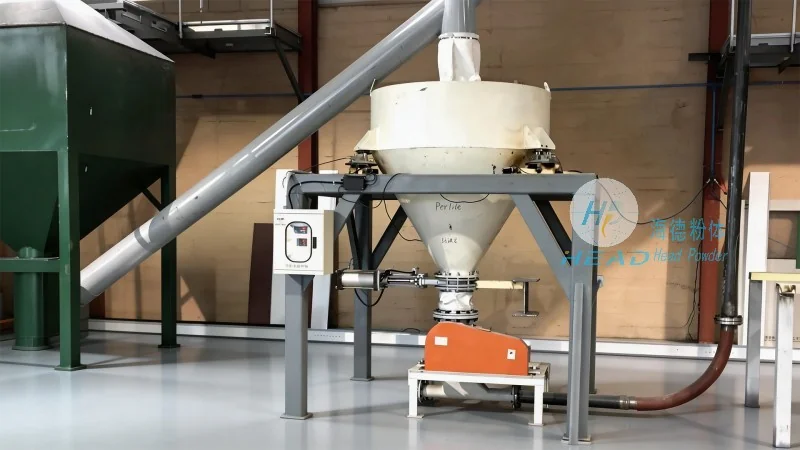
Magnesia pneumatic conveying equipment is widely used in sectors where magnesia is a key component. In the refractory industry, the system transports magnesia from raw material storage to mixing and batching units, ensuring consistent material quality and reducing contamination risks. In steelmaking, it conveys magnesia to ladle or furnace areas, supporting high-quality steel production. Other applications include the chemical industry (magnesium compound production) and construction industry (refractory materials for buildings and infrastructure). The system’s versatility makes it suitable for small-scale to large-scale manufacturing facilities.
Operational Maintenance and Best Practices
To ensure the longevity and efficiency of magnesia pneumatic conveying equipment, regular maintenance and best practices are essential. Routine checks of the blower and air compressor for proper performance and lubrication prevent mechanical failures. Pipeline and component inspections for wear, corrosion, or blockages, along with cleaning as needed, maintain optimal airflow. Cyclone separators and filters should be regularly cleaned or replaced to avoid clogging and ensure effective material separation. Monitoring pressure and airflow helps identify issues early, allowing timely maintenance and minimizing downtime. Proper operator training on safe, efficient system operation is also vital to reduce risks and maximize performance.




