Understanding the fundamental principles of copper powder pneumatic conveying equipment is crucial for industries dealing with fine metal powders, as it ensures efficient material handling, minimal product loss, and consistent process performance. This article provides a detailed overview of the core mechanisms and operational concepts behind such systems, tailored for professionals seeking to optimize their material transport solutions.
Core Components and Functionality
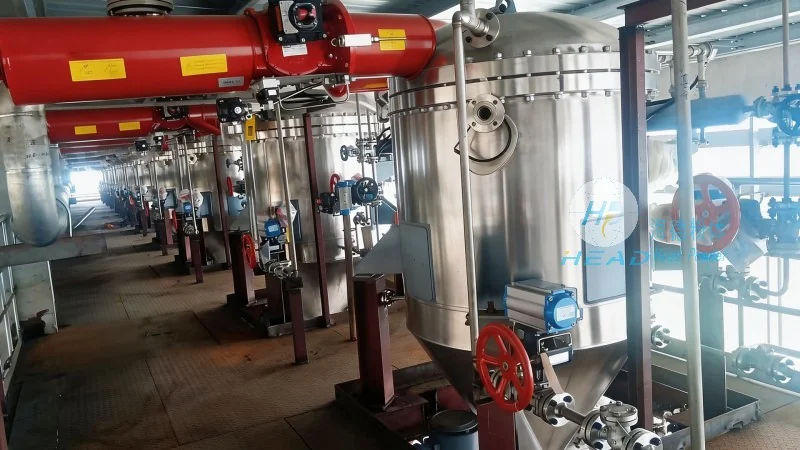
The operation of copper powder pneumatic conveying systems relies on a combination of key components that work in synergy to transport powders through a pipeline using air or other gas streams. A typical system includes a hopper for material storage, a feeder to control the flow rate, a conveying line (often equipped with bends and filters), and a receiver for the discharged material. The heart of the system is the air compressor or blower, which generates the necessary pressure or vacuum to move the powder particles. The design of these components is critical, as it directly impacts the system's efficiency, reliability, and suitability for handling copper powders, which are often sensitive to moisture and contamination.
Types of Pneumatic Conveying Systems
There are primarily two types of pneumatic conveying systems used for copper powder: pressure and vacuum systems. Pressure systems operate by blowing air or gas into the conveying line under positive pressure, pushing the powder from the source to the destination. This method is suitable for long-distance or high-capacity transport and is commonly used when the receiving point is at a higher elevation than the source. Vacuum systems, on the other hand, create a negative pressure in the line, drawing the powder from the source towards the receiver. These systems are ideal for short distances or when the receiving point is at a lower elevation, and they can also be used for material recovery from process lines.
Key Principles of Material Transport
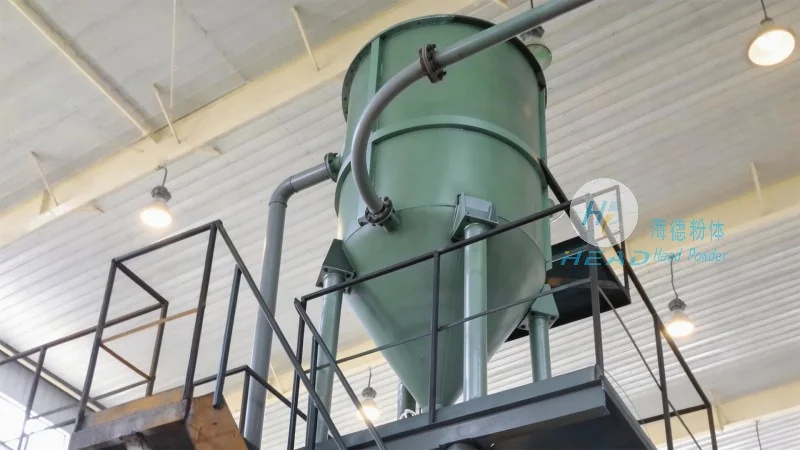
The fundamental principle behind pneumatic conveying is the creation of a fluidized bed or suspension of the powder particles in the gas stream. This is achieved by maintaining a specific velocity in the pipeline, which is typically higher than the terminal velocity of the powder particles. The terminal velocity is the speed at which the drag force on the particle equals the gravitational force, causing it to fall. By ensuring the pipeline velocity is above this threshold, the particles remain suspended and are carried along with the gas. For copper powders, which have a relatively high density and can be prone to agglomeration, maintaining an appropriate gas velocity and flow rate is essential to prevent blockages and ensure smooth transport. The system's design must account for the specific properties of copper powder, such as particle size distribution, moisture content, and flowability, to optimize performance.
Advantages of Using Pneumatic Conveying for Copper Powder
Employing pneumatic conveying equipment for copper powder offers several advantages over traditional mechanical methods. Firstly, it eliminates the need for moving parts in the conveying line, reducing maintenance costs and minimizing the risk of product contamination. Copper powders are often sensitive to mechanical stress, which can affect their properties, and pneumatic systems avoid this by using air as the transport medium. Secondly, pneumatic conveying allows for flexible and compact system layouts, as the pipeline can be routed around obstacles and in various configurations without the need for complex machinery. This flexibility is particularly beneficial in industrial settings where space is limited. Additionally, these systems can handle varying flow rates and material compositions, making them adaptable to different production needs. The ability to transport copper powder in a closed system also helps maintain product quality and prevents dust emissions, which is environmentally friendly and complies with regulatory standards.
Considerations for System Design and Installation
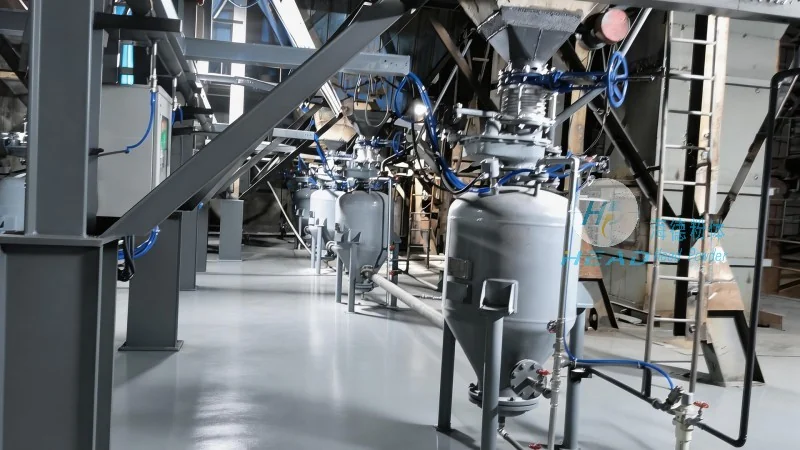
When designing a copper powder pneumatic conveying system, several factors must be carefully considered to ensure optimal performance and longevity. The first consideration is the material selection for the components, as copper powder can be abrasive and corrosive. Materials such as stainless steel, special alloys, or high-quality plastics are commonly used for the hopper, feeder, and pipeline to withstand the wear and chemical exposure. The hopper design is critical to prevent material bridging or caking, which can disrupt the flow. A well-designed hopper with appropriate angles and possibly vibrators or air knives can ensure consistent material discharge. The feeder, typically a rotary valve or a screw feeder, must be selected based on the powder's flow characteristics. For cohesive copper powders, a rotary valve with a high torque or a vibratory feeder may be required to maintain a steady flow. The pipeline diameter and length also play a significant role; larger diameters reduce pressure drop but increase system cost, while longer pipelines require higher air pressure or vacuum to maintain adequate velocity. Proper sealing and filtration are essential to prevent powder leakage and maintain air quality. Filters are installed at the receiver and along the line to capture any escaped particles, protecting the environment and maintaining system efficiency.
Maintenance and Operational Tips
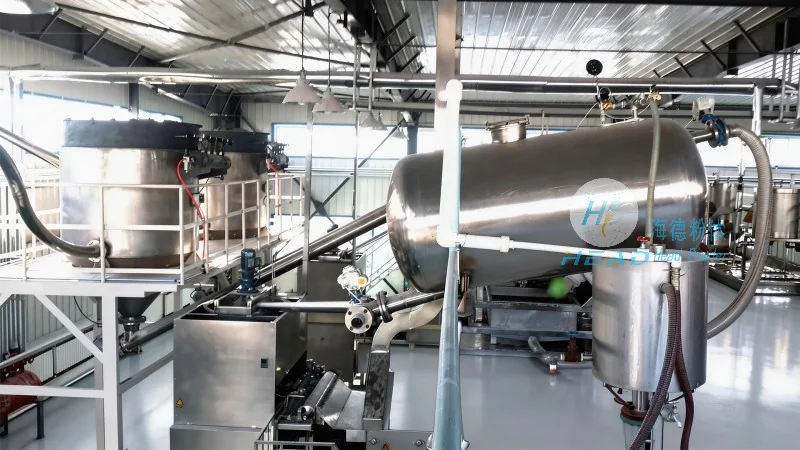
Regular maintenance is vital to keep copper powder pneumatic conveying equipment operating efficiently and reliably. Routine checks should include inspecting the air compressor or blower for proper performance, checking for leaks in the pipeline, and ensuring the filters are clean and functioning correctly. The hopper and feeder should be inspected for signs of wear or material buildup, and cleaned as needed to prevent blockages. For systems handling copper powders, it is important to monitor the moisture content of the powder, as excess moisture can lead to agglomeration and system inefficiencies. Maintaining the correct air pressure or vacuum level is also crucial; fluctuations can affect the flow rate and cause uneven transport. Operators should be trained to recognize common issues such as pressure drops or unusual noise, which may indicate a problem like a clogged filter or a blockage in the line. Prompt maintenance and troubleshooting can prevent system downtime and ensure consistent performance. Additionally, keeping records of maintenance activities and system performance can help identify trends and improve overall system efficiency over time.
Conclusion
In conclusion, copper powder pneumatic conveying equipment operates on well-defined principles that enable efficient and reliable transport of fine metal powders. By understanding the core components, types of systems, and operational considerations, industries can select and maintain appropriate equipment to meet their material handling needs. The advantages of pneumatic conveying, including reduced contamination, flexible layouts, and adaptability, make it a preferred choice for handling copper powders. Proper system design, regular maintenance, and adherence to operational guidelines are essential to maximize the benefits and ensure long-term performance. For companies dealing with copper powders, investing in a well-designed pneumatic conveying system can lead to improved productivity, product quality, and operational efficiency.




