HeadPowder, a leading provider in the field of material handling solutions, specializes in the design and implementation of advanced pneumatic conveying systems tailored for glass powder applications. This article delves into the fundamental principles underlying the operation of such systems, highlighting the key components, working mechanisms, and practical considerations that ensure efficient and reliable material transport.
Understanding Pneumatic Conveying Systems for Glass Powder
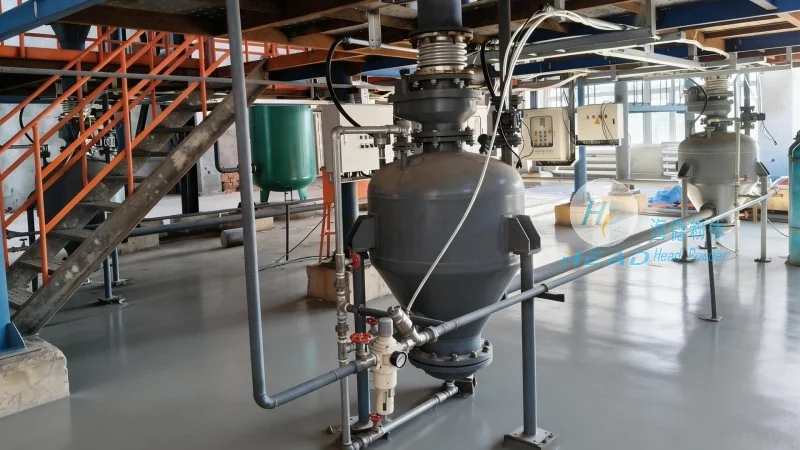
Pneumatic conveying systems utilize air or other gases to transport bulk materials like glass powder from one location to another. This method offers significant advantages over traditional mechanical conveying, such as reduced equipment wear, minimal product contamination, and the ability to handle materials that are difficult to move by other means. The core principle revolves around creating a pressure differential that propels the powder through a pipeline network, often employing either positive pressure (pressure conveying) or negative pressure (vacuum conveying) systems.
Key Components of a Glass Powder Pneumatic Conveying System
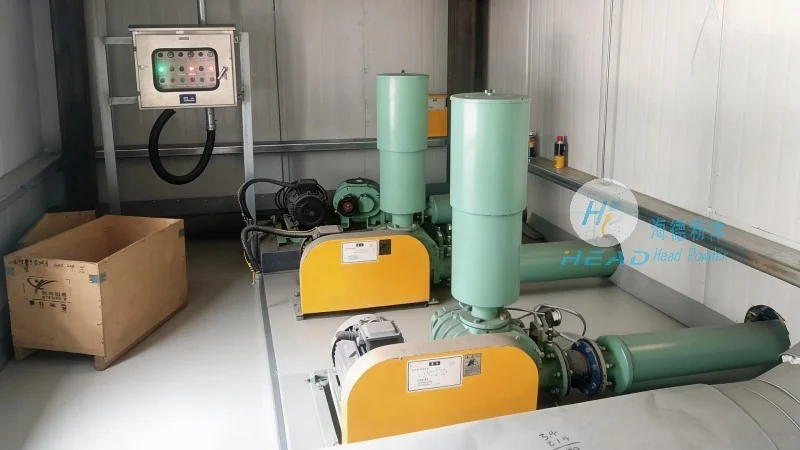
The effectiveness of a glass powder pneumatic conveying system depends on several critical components working in concert. These include the hopper or feeder, which feeds the glass powder into the system; the air compressor or vacuum pump, which generates the necessary pressure or vacuum; the conveying line, typically made of materials resistant to glass abrasion, such as stainless steel or special plastics; and the control valves and regulators that manage the flow and pressure. Additionally, a filter system is essential to capture any fine particles and return them to the process, ensuring environmental compliance and product quality.
Working Principle: How Glass Powder is Transported
The operation of a glass powder pneumatic conveying system begins with the material being introduced into the hopper. From there, it is fed into the conveying line via a rotary valve or similar feeder. Simultaneously, the air compressor or vacuum pump generates the required airflow. In a positive pressure system, compressed air is introduced at the inlet, creating a pressure higher than the ambient air, which forces the glass powder through the line. The powder is carried as a dilute or dense phase, depending on the system design and material characteristics. The conveying line may include bends, expansions, and other features to guide the material, with the air flow maintaining the powder in suspension. At the destination, the powder is discharged into a receiver or processing unit, while the air is filtered and recycled back into the system.
Advantages of Using Pneumatic Conveying for Glass Powder
Implementing a pneumatic conveying system for glass powder offers numerous benefits. Firstly, it minimizes the risk of contamination, as the material is enclosed within the pipeline, preventing exposure to external elements or cross-contamination with other substances. Secondly, it reduces the need for manual handling, enhancing workplace safety and operational efficiency. Thirdly, the system can handle varying particle sizes and moisture content, adapting to different glass powder types. Furthermore, it provides flexibility in system layout, allowing for horizontal, vertical, or complex routing to accommodate existing facility constraints. The energy efficiency of modern systems, combined with lower maintenance requirements compared to mechanical systems, makes pneumatic conveying a cost-effective solution in the long run.
Applications and Industries Served by Glass Powder Pneumatic Conveying Systems
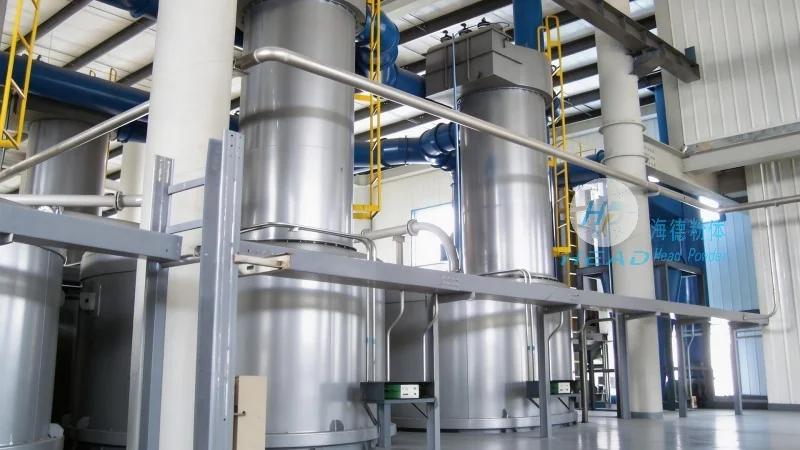
Glass powder pneumatic conveying systems are widely used across various industries that rely on glass materials. In the glass manufacturing sector, these systems are crucial for transporting raw glass powders to furnaces or processing lines. The automotive industry utilizes glass powders in composite materials, and pneumatic conveying ensures precise and clean delivery to production equipment. The construction industry also benefits from glass powder applications in insulation and decorative materials, where consistent quality and purity are essential. HeadPowder’s expertise in customizing systems ensures that clients receive solutions tailored to their specific operational needs, whether for large-scale production or smaller-scale processing.
Customization and Integration with Existing Facilities
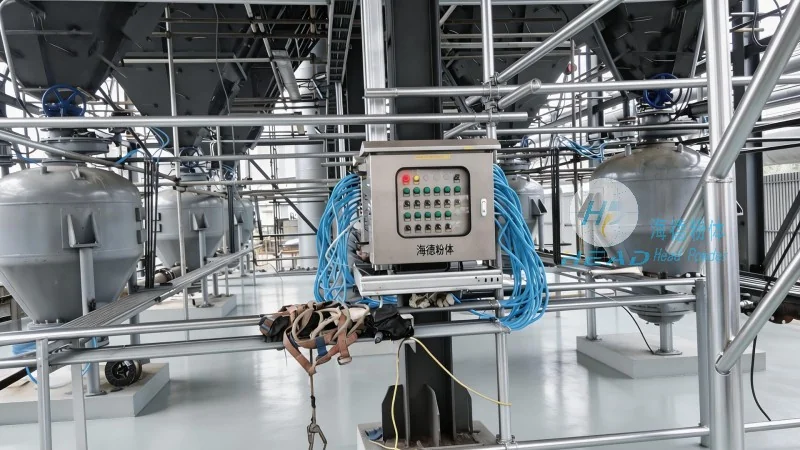
HeadPowder Engineering Co., Ltd., based in Shandong, China, specializes in designing and manufacturing customized pneumatic conveying systems that integrate seamlessly with existing production lines. The company’s engineers work closely with clients to assess their material handling challenges, process requirements, and facility constraints. By leveraging advanced engineering software and years of industry experience, HeadPowder develops solutions that optimize material flow, reduce downtime, and enhance overall productivity. The company’s commitment to quality and customer satisfaction is reflected in its comprehensive after-sales support, including system maintenance, spare parts availability, and technical assistance. With a focus on durability and reliability, HeadPowder’s systems are built to withstand the demanding conditions of glass powder handling, ensuring long-term performance and minimal operational disruptions.
Conclusion: The Role of Pneumatic Conveying in Modern Glass Powder Handling
In conclusion, the principle of glass powder pneumatic conveying systems is a sophisticated yet effective method for transporting bulk materials. By understanding the core components, working mechanisms, and advantages of such systems, industries can enhance their operational efficiency, maintain product quality, and ensure workplace safety. HeadPowder Engineering Co., Ltd. stands as a trusted partner in this field, providing tailored solutions that meet the unique needs of clients while adhering to the highest standards of engineering and performance. As the demand for efficient material handling continues to grow, pneumatic conveying systems remain a vital technology in the glass and related industries, driving innovation and productivity forward.




