For industries dealing with fine powders like silicone powder, efficient material handling is crucial. The pneumatic conveying system offers a solution that minimizes dust, reduces contamination risks, and enhances operational safety. HeadPowder, a leading provider of engineering solutions, specializes in designing and implementing such systems tailored to the specific needs of clients. This article explores the fundamental principles behind silicone powder pneumatic conveying systems, focusing on how they operate and the key components involved.
Core Components and Their Functions
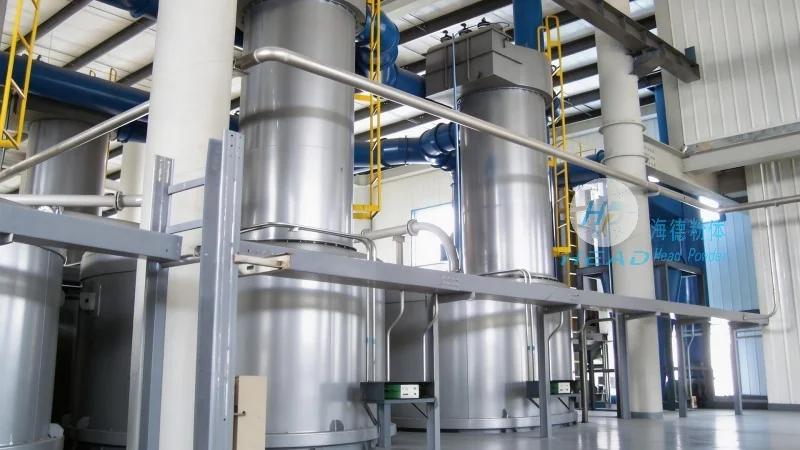
The silicone powder pneumatic conveying system typically consists of several critical components, each playing a vital role in the overall process. The primary elements include a material hopper, a conveying line (often equipped with a venturi or pressure vessel), a dust collector, and a control system. The material hopper serves as the storage and feeding unit, ensuring a steady supply of silicone powder to the system. The conveying line, which may be of the pressure or vacuum type, is responsible for transporting the powder through the system. A venturi or pressure vessel helps to accelerate the material and maintain consistent flow rates. The dust collector is essential for capturing any fine particles that escape during the conveying process, ensuring environmental compliance and product purity. The control system manages the entire operation, regulating pressure, flow rates, and other parameters to optimize performance.
Operating Principles: Pressure and Vacuum Conveying
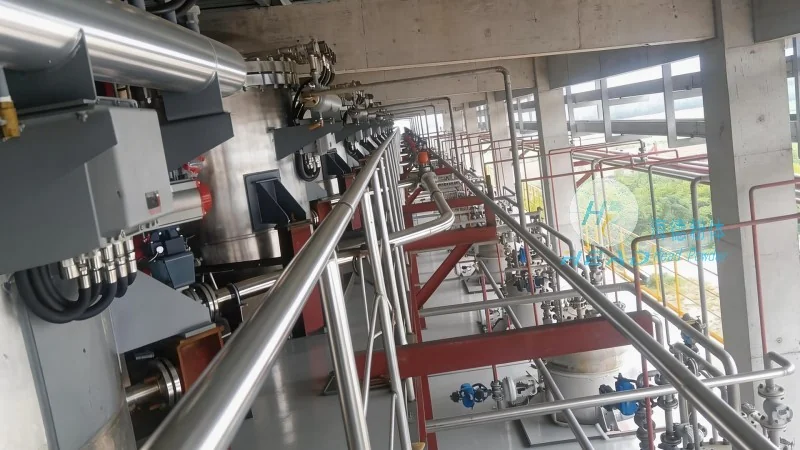
There are two main types of pneumatic conveying systems used for silicone powder: pressure and vacuum systems. The choice between them depends on factors such as the distance to be covered, the material's properties, and the desired flow rate. In a pressure system, compressed air is used to push the powder through the conveying line. The air is introduced at a high pressure, creating a flow that propels the powder forward. This method is suitable for short to medium distances and when the material is relatively dry and free-flowing. On the other hand, vacuum systems use a vacuum pump to draw the powder into the conveying line. The vacuum creates a negative pressure that pulls the material from the hopper and through the system. Vacuum systems are often preferred for longer distances or when dealing with materials that are more cohesive or prone to bridging.
Key Advantages of Silicone Powder Pneumatic Conveying
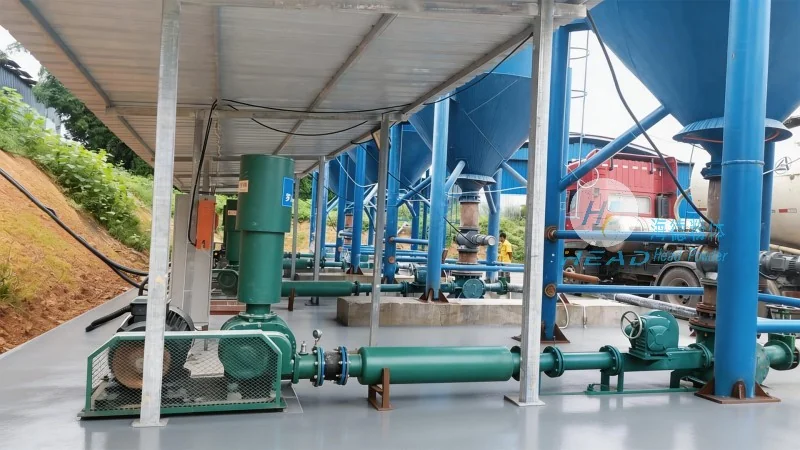
Implementing a pneumatic conveying system for silicone powder offers numerous benefits. First, it significantly reduces dust exposure, which is a major concern in powder handling operations. By containing the material within a closed system, the risk of inhalation or environmental contamination is minimized. Second, the system enhances product purity by preventing cross-contamination from other materials or surfaces. Third, it improves operational safety by eliminating the need for manual handling of powders, which can be hazardous. Additionally, pneumatic conveying systems are generally more energy-efficient compared to traditional methods like bucket elevators or belt conveyors, especially for fine powders. They also offer flexibility in terms of layout, as the conveying line can be arranged in various configurations to suit the plant's design.
Application Considerations and Best Practices
When designing or implementing a silicone powder pneumatic conveying system, several factors must be considered to ensure optimal performance. The first is the material's properties, such as its particle size, density, and flowability. These characteristics affect the system's design, including the type of hopper and the conveying line's diameter. The second is the system's capacity, which must be matched to the production requirements to avoid bottlenecks or underutilization. Third, the distance and layout of the conveying line are critical, as they impact the pressure or vacuum requirements and the overall system efficiency. Best practices include regular maintenance of components like the hopper, venturi, and dust collector to prevent clogging and ensure consistent performance. Additionally, monitoring the system's pressure and flow rates in real-time helps in identifying any issues early and adjusting the operation as needed.
Conclusion
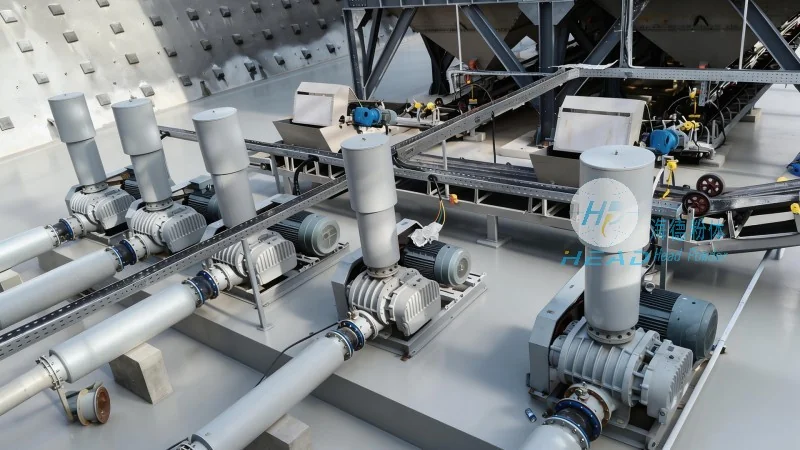
In conclusion, the silicone powder pneumatic conveying system is a highly effective solution for handling fine powders in industrial settings. By understanding the core principles, components, and operating modes, industries can optimize their material handling processes, improve efficiency, and enhance safety. With proper design and maintenance, such systems provide reliable and efficient operation, making them a valuable asset for any facility dealing with silicone powder or similar materials.




