Ammonium sulfate, a widely used fertilizer and industrial chemical, often requires efficient and reliable transport methods for handling and distribution. The pneumatic conveying system represents a key technology in modern material handling, offering a solution that integrates the principles of fluid dynamics and mechanical engineering to move bulk materials like ammonium sulfate through a pipeline network. This article explores the fundamental principles behind such systems, focusing on the mechanisms, components, and operational considerations that ensure effective and safe transport of ammonium sulfate.
Key Components of a Pneumatic Conveying System for Ammonium Sulfate
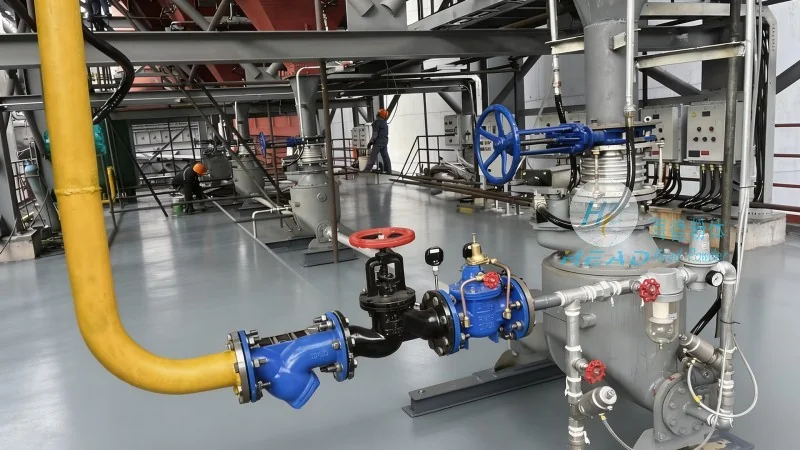
The pneumatic conveying system for ammonium sulfate typically consists of several critical components that work in tandem to achieve material transport. At the heart of the system is the material feed hopper, which stores and regulates the flow of ammonium sulfate into the conveying line. This hopper is equipped with a feed mechanism, such as a rotary valve or a screw feeder, that controls the discharge rate and prevents material buildup or blockages. The hopper also often includes a level indicator to monitor the material inventory, ensuring consistent operation.
Next in the system is the air supply unit, which generates the necessary pressure or vacuum to move the material. This unit may include a blower or a vacuum pump, depending on the system design—positive pressure systems use blowers to push material through the line, while negative pressure systems employ vacuum pumps to draw material in. The air supply is connected to the conveying line via a duct or pipe, which serves as the primary pathway for both the material and the conveying air. The line itself is typically made of materials like stainless steel or PVC, chosen for their resistance to corrosion and chemical compatibility with ammonium sulfate.
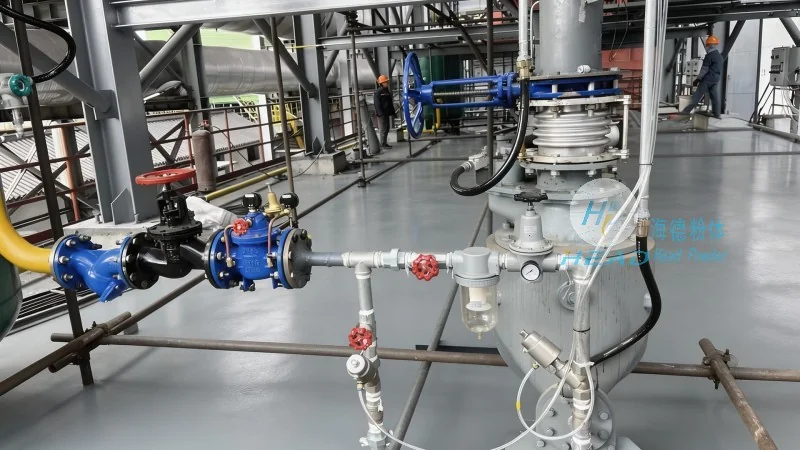
Within the conveying line, there are several key components that facilitate the movement and control of the material. These include expansion joints, which allow for thermal expansion and reduce stress on the system, and check valves, which prevent backflow of material or air. Additionally, the system may incorporate pulse jets or air knives to assist in material separation and prevent clogging, especially in high-concentration or high-velocity applications. The discharge end of the system features a receiver or silo, where the transported ammonium sulfate is collected and stored before further processing or distribution.
Operating Principles and Flow Dynamics
The core of the pneumatic conveying system's operation lies in the interaction between the material particles and the conveying air. In a positive pressure system, the blower supplies compressed air at a pressure higher than the ambient air, creating a pressure differential that propels the ammonium sulfate particles through the pipeline. The air velocity must be sufficient to overcome the gravitational force acting on the particles and to maintain a stable suspension. The flow rate of both air and material is carefully controlled to achieve optimal performance, balancing efficiency with system wear and energy consumption.
In negative pressure systems, the vacuum pump creates a lower pressure environment at the discharge end, drawing the ammonium sulfate particles into the line. This method is often used for applications requiring gentle handling or when the material is sensitive to high pressures. The air flow in negative pressure systems is typically lower than in positive pressure systems, reducing the risk of material degradation or degradation of the conveying line. The choice between positive and negative pressure depends on factors such as the distance to be conveyed, the material's properties, and the desired system efficiency.
The flow dynamics in pneumatic conveying systems are governed by several physical principles, including the Reynolds number, which determines the flow regime (laminar or turbulent), and the Froude number, which relates to the particle's settling velocity. These parameters influence the system's capacity and pressure drop, which are critical for determining the system's design and operational parameters. For ammonium sulfate, which has a relatively high density and particle size, the system must be designed to maintain a sufficient air velocity to prevent clogging and ensure consistent flow.
Advantages and Considerations for Ammonium Sulfate Pneumatic Conveying
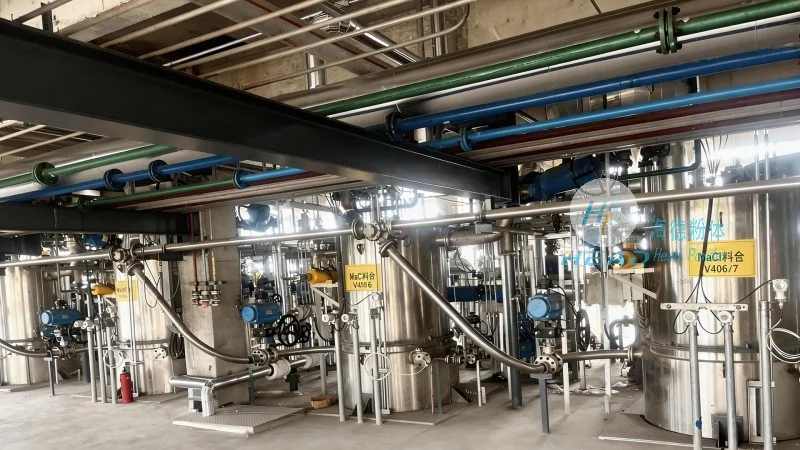
Implementing a pneumatic conveying system for ammonium sulfate offers several advantages over traditional methods like belt conveyors or bucket elevators. One of the primary benefits is the ability to handle the material in a closed system, reducing dust emissions and improving safety in industrial environments. This is particularly important for ammonium sulfate, which can generate fine particles that are hazardous if released into the air. The closed system also minimizes material loss and contamination, ensuring product integrity throughout the transport process.
Another advantage is the flexibility of the system, which can be adapted to various distances and layouts. Pneumatic conveying systems can transport material over long distances, including vertical and horizontal segments, with minimal maintenance requirements. The system's compact design allows for installation in confined spaces, making it suitable for facilities with limited floor space. However, the system also has certain considerations that must be addressed to ensure optimal performance. For example, the pressure drop across the conveying line must be managed to avoid excessive energy consumption or system failure. Additionally, the material's properties, such as its moisture content and particle size distribution, can affect the system's efficiency and may require adjustments to the operating parameters.
Energy efficiency is a key consideration in the design of pneumatic conveying systems for ammonium sulfate. The choice of air supply unit, the system's pressure, and the flow rates all impact the overall energy consumption. Modern systems often incorporate variable frequency drives (VFDs) to adjust the blower speed based on the material feed rate, optimizing energy use. The system's design also considers the wear and tear on components, such as the conveying line and check valves, which may require periodic maintenance or replacement to maintain performance and longevity.
Applications and Industrial Use Cases
The principles of pneumatic conveying for ammonium sulfate are widely applied in various industrial and agricultural settings. In fertilizer production, the system is used to transport ammonium sulfate from storage silos to processing units or to packaging lines, ensuring a continuous and efficient supply of raw material. In chemical manufacturing, the system may be used to move ammonium sulfate between different processing stages, such as drying, granulation, or blending. The system's ability to handle bulk materials in a controlled manner makes it ideal for applications where precision and consistency are critical.
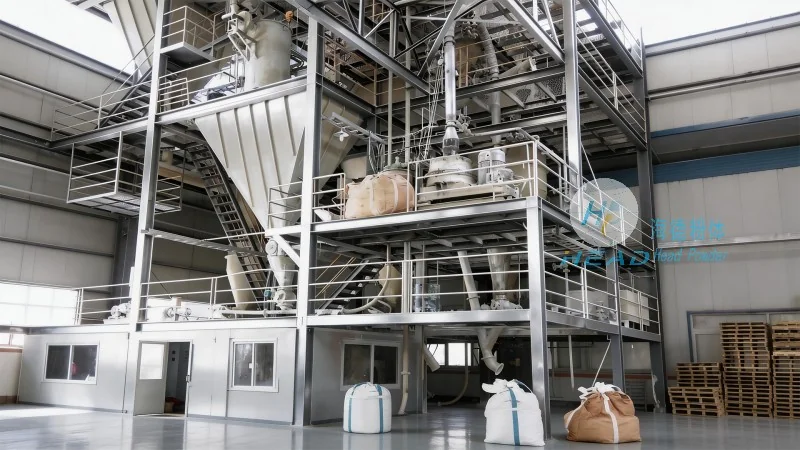
In agricultural settings, the pneumatic conveying system is used to distribute ammonium sulfate to farms or storage facilities, facilitating the delivery of fertilizer to growers. The system's closed design helps prevent environmental contamination and ensures that the fertilizer is delivered in a safe and efficient manner. Additionally, the system can be integrated with other equipment, such as mixing or blending units, to create a comprehensive material handling solution for agricultural operations.
The versatility of the pneumatic conveying system allows it to be adapted to various industries beyond agriculture and chemical manufacturing. For example, in food processing, the system may be used to transport ammonium sulfate as a food additive or in the production of certain food products. In pharmaceutical manufacturing, the system can be used to handle ammonium sulfate as an excipient or in the production of certain medications. The key is to ensure that the system is designed and operated in compliance with industry standards and regulations, particularly regarding material safety and environmental protection.
Conclusion and Future Developments
The pneumatic conveying system represents a sophisticated and effective solution for the transport of ammonium sulfate, combining the principles of fluid dynamics and mechanical engineering to achieve efficient and safe material handling. By understanding the key components, operating principles, and considerations involved in such systems, manufacturers and operators can optimize their processes and ensure consistent performance. As technology advances, future developments may focus on improving energy efficiency, enhancing system reliability, and expanding the range of materials that can be handled by pneumatic conveying systems. For ammonium sulfate, these advancements will continue to play a critical role in supporting the fertilizer and chemical industries, ensuring the efficient and sustainable supply of this important material.




