Understanding the fundamental principles of micropowder pneumatic conveying systems is crucial for industries that rely on efficient and reliable material handling solutions. This article delves into the core mechanisms, benefits, and practical applications of such systems, providing a comprehensive overview for professionals seeking to optimize their material transport processes.
Core Components and Operational Mechanics
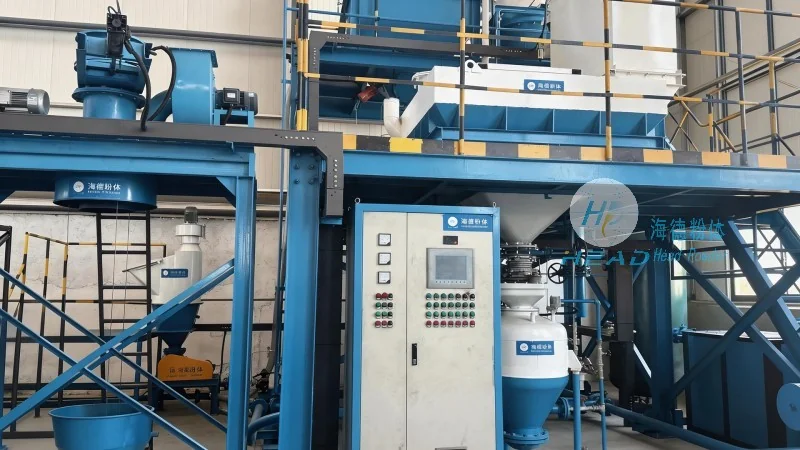
The micropowder pneumatic conveying system operates by utilizing compressed air or other gases to transport fine powders through a network of pipes. The system typically consists of several key components, including a material feed hopper, a pressure vessel or airlock, a conveying line, and a receiver or discharge unit. The feed hopper ensures a consistent supply of micropowder, while the airlock prevents backflow and maintains system pressure. Compressed air is introduced into the conveying line, creating a flow that propels the powder particles through the system. The velocity and pressure of the air are carefully controlled to ensure efficient transport without causing particle degradation or system wear.
Advantages of Micropowder Pneumatic Conveying
One of the primary advantages of micropowder pneumatic conveying systems is their ability to handle fine, abrasive powders that are difficult to transport using traditional methods like belt conveyors or screw conveyors. The system minimizes product contamination and exposure to external elements, as the material remains enclosed within the conveying line. Additionally, it offers flexibility in system design, allowing for horizontal, vertical, or combined (horizontal-vertical) conveying paths to suit various facility layouts. The technology also reduces labor costs by automating the material transport process and minimizing the need for manual handling, which enhances workplace safety and operational efficiency.
Applications in Industrial Settings
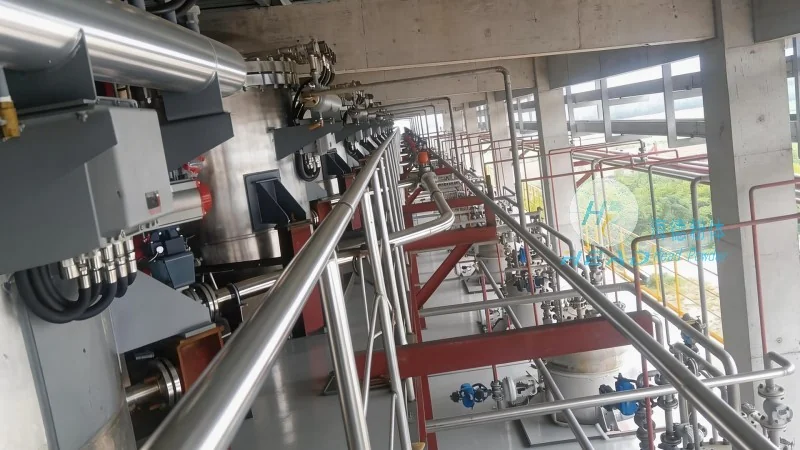
Micropowder pneumatic conveying systems are widely used across multiple industries, including pharmaceuticals, food processing, chemical manufacturing, and mining. In the pharmaceutical industry, these systems are essential for transporting active pharmaceutical ingredients (APIs) and excipients with strict purity requirements, as they prevent cross-contamination and maintain product integrity. In food processing, they handle fine powders like sugar, flour, and spices, ensuring hygienic and efficient transport. Chemical manufacturers utilize them for transporting reactive or hazardous powders, where containment and safety are paramount. The mining sector also benefits from these systems for transporting fine ore powders, reducing dust exposure and improving operational safety.
System Design and Customization
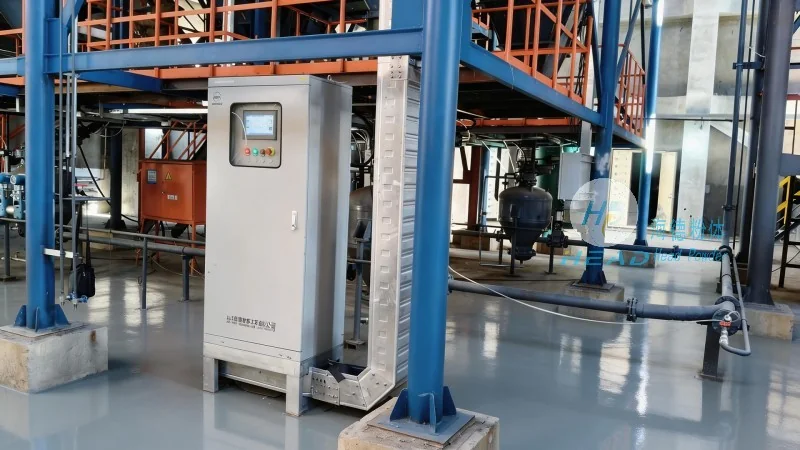
Customization is a key feature of micropowder pneumatic conveying systems, as each application has unique requirements. System designers from Shandong HeadPowder Engineering Co., Ltd. (commonly known as headpowder) work closely with clients to tailor solutions that meet specific material characteristics, flow rates, and facility constraints. The company specializes in designing systems with adjustable air pressure and flow rates, ensuring optimal performance for different powder types. For example, systems can be configured with cyclone separators or filters to capture fine particles and prevent system blockages, enhancing reliability and longevity. Additionally, the company offers maintenance and support services to ensure long-term system performance and minimize downtime.
Conclusion and Industry Impact
As industries continue to demand more efficient and reliable material handling solutions, micropowder pneumatic conveying systems remain a critical technology. The principles outlined in this article highlight the system's ability to handle fine powders with precision and efficiency, while minimizing operational risks. By leveraging advanced design and customization, companies like Shandong HeadPowder Engineering Co., Ltd. provide tailored solutions that enhance productivity and safety in various industrial applications. The continued development and adoption of these systems will likely shape the future of material transport in industries worldwide.




