HeadPowder, a leading enterprise in the field of material handling solutions, specializes in the design, manufacturing, and supply of pneumatic conveying systems tailored for stone aggregate applications. This article provides an in-depth overview of the classification and essential components that constitute a comprehensive stone aggregate pneumatic conveying system, highlighting the technical aspects and functional design that ensure efficient material transport.
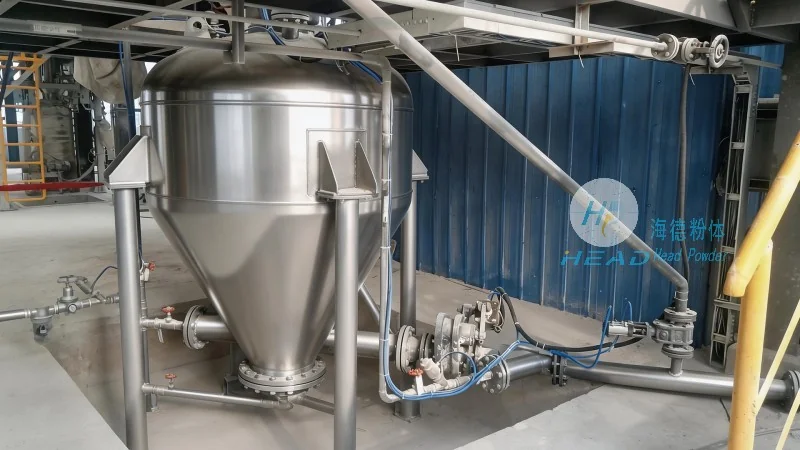
Introduction to Stone Aggregate Pneumatic Conveying Systems
Stone aggregate, including materials such as gravel, crushed stone, and sand, is a critical component in various construction and industrial processes. Traditional conveying methods like belt conveyors or bucket elevators may face challenges with dust generation, material degradation, and operational inefficiencies, especially when dealing with fine or abrasive aggregates. Pneumatic conveying systems offer a superior alternative by utilizing air as the medium to transport bulk materials, providing advantages like dust control, reduced maintenance, and flexible system integration. HeadPowder's expertise lies in developing customized pneumatic conveying solutions that address the unique requirements of stone aggregate handling, ensuring reliable and cost-effective material transport for clients across diverse industries.
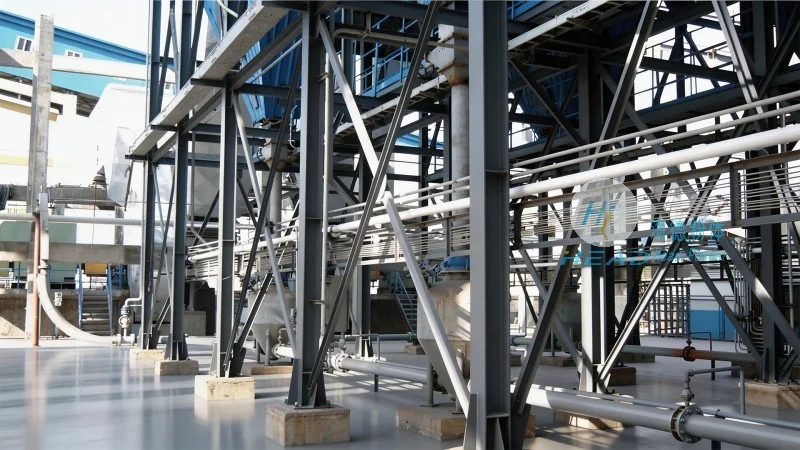
Classification of Stone Aggregate Pneumatic Conveying Systems
Stone aggregate pneumatic conveying systems can be broadly classified based on the conveying principle and operational characteristics. The primary classification includes dense-phase and dilute-phase systems, each with distinct advantages and applications. Dense-phase pneumatic conveying systems operate at lower air velocities, ensuring a higher material-to-air ratio, which minimizes material degradation and reduces dust emissions. This method is ideal for transporting sensitive or high-value aggregates, as it maintains product integrity throughout the conveying process. Dilute-phase systems, on the other hand, utilize higher air velocities and lower material concentrations, making them suitable for longer transport distances and bulk material handling. HeadPowder's systems are designed to accommodate both dense-phase and dilute-phase operations, allowing clients to choose the most appropriate configuration based on their specific operational needs and material characteristics.
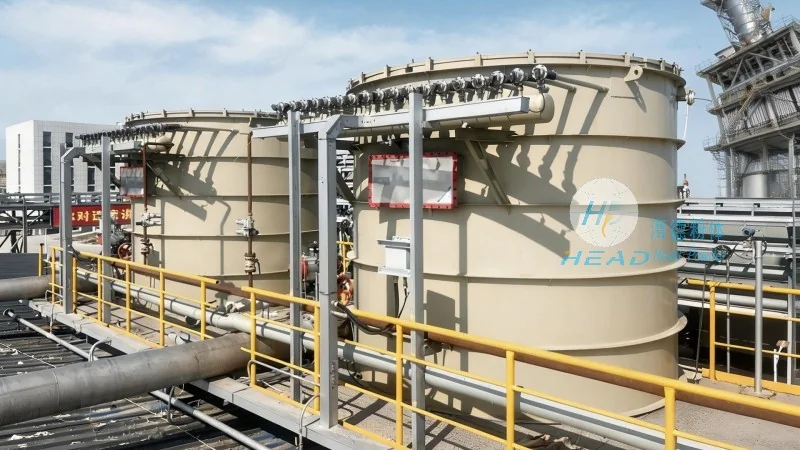
Key Components of a Stone Aggregate Pneumatic Conveying System
A stone aggregate pneumatic conveying system comprises several critical components that work in harmony to achieve efficient material transport. The main components include the material feed hopper, which stores and feeds the aggregate into the conveying line; the conveying line, which can be made of metal or flexible tubing, depending on the system design; the air compressor or blower, which generates the necessary air pressure to move the material; and the control system, which regulates the flow of air and material to maintain optimal performance. Additionally, the system may include accessories such as cyclones for material separation, filters to capture dust, and silos for material storage, ensuring a complete and integrated solution. HeadPowder's engineering team designs each component to meet the specific requirements of the application, ensuring durability, efficiency, and compliance with industry standards.




