Textile fiber pneumatic conveying systems are essential for efficient material handling in the textile industry. These systems utilize air pressure to transport loose fibers, powders, or granules, offering advantages such as reduced contamination, improved safety, and enhanced process control. Understanding the different types, key features, and application ranges of these systems is crucial for selecting the most suitable solution for specific industrial needs.
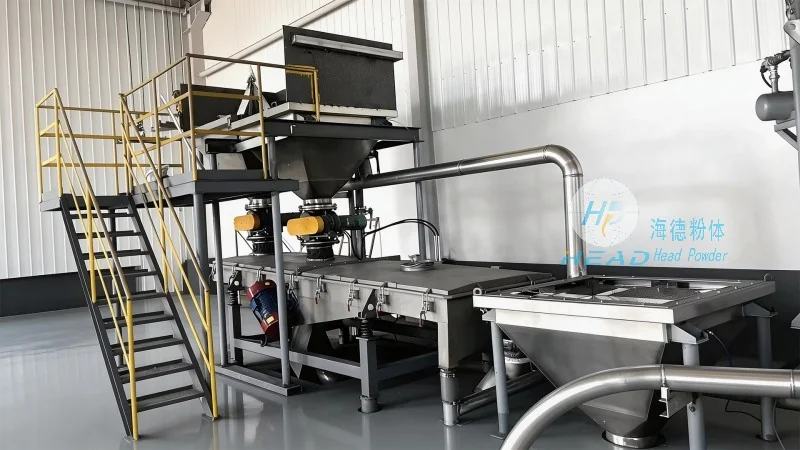
Overview of Textile Fiber Pneumatic Conveying Systems
Textile fiber pneumatic conveying systems are designed to transport various types of fibers, including cotton, polyester, nylon, and other synthetic or natural fibers, from one location to another within a manufacturing facility. The primary goal is to achieve efficient, reliable, and low-cost material movement while maintaining the quality and integrity of the fibers. These systems are widely used in textile processing plants for tasks such as raw material feeding, intermediate product transfer, and waste removal.
Key Types of Pneumatic Conveying Systems for Textile Fibers
There are two main categories of pneumatic conveying systems: suction (or vacuum) systems and pressure systems. Each type has distinct characteristics and is suited for different operational requirements.
Suction (Vacuum) Pneumatic Conveying Systems
Suction systems operate by creating a negative pressure (vacuum) at the inlet, which draws material from a hopper or storage bin into the conveying line. This type of system is ideal for applications where material needs to be collected from multiple points or where the material is light and may be prone to dust or contamination. The main advantages of suction systems include low initial pressure requirements, minimal material degradation, and the ability to handle fine or dusty fibers without clogging. However, they have limitations in terms of conveying distance and material capacity compared to pressure systems.
Pressure Pneumatic Conveying Systems
Pressure systems generate positive pressure within the conveying line by using a blower or compressor to push material through the system. These systems are more suitable for longer conveying distances and higher material throughput. They are commonly used for transporting bulk quantities of fibers from a central storage area to processing equipment or for moving materials between different stages of the production line. Pressure systems offer higher conveying efficiency and can handle a wider range of materials, including coarse or heavy fibers. The primary drawback is the need for higher pressure equipment and potential for material degradation if not properly designed.
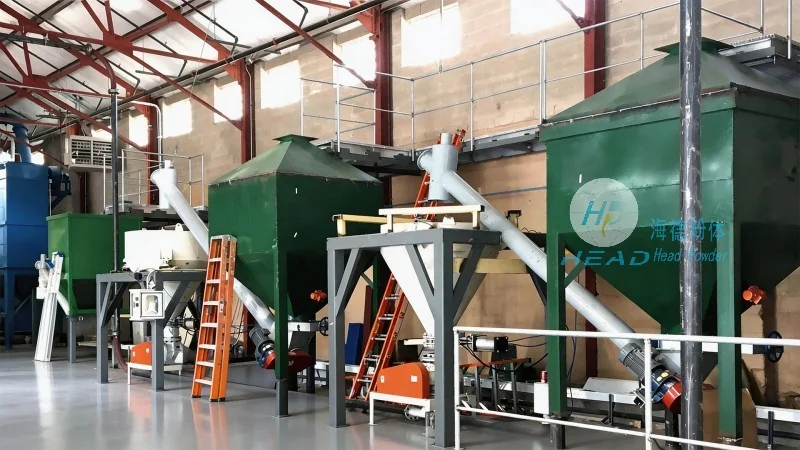
Key Features of Textile Fiber Pneumatic Conveying Systems
Regardless of the type, modern textile fiber pneumatic conveying systems share several key features that enhance their performance and reliability. These features include:
- Customizable Conveying Lines: Systems can be tailored to specific plant layouts, with flexible tubing or rigid piping configurations to accommodate different distances and angles.
- Material Handling Efficiency: Advanced control systems allow for precise control of flow rates, pressure, and material volume, ensuring consistent and efficient material transfer.
- Low Maintenance Requirements: Many systems use minimal moving parts and are designed for easy cleaning and maintenance, reducing downtime and operational costs.
- Environmental Protection: Enclosed systems prevent dust and fiber emissions, improving workplace safety and compliance with environmental regulations.
- Integration with Automation: Pneumatic conveying systems can be integrated with other automated processes, such as weighing, mixing, and quality control, to create a seamless production workflow.
Application Ranges of Textile Fiber Pneumatic Conveying Systems
The application ranges of textile fiber pneumatic conveying systems are broad and cover various stages of the textile manufacturing process. Some common applications include:
Raw Material Handling
At the initial stage of textile production, raw fibers are often stored in large hoppers or silos. Pneumatic conveying systems are used to transport these raw materials from storage to the processing machinery, such as carding machines or spinning machines. This ensures a continuous and controlled supply of raw material, minimizing interruptions in the production line.
Intermediate Product Transfer
During the manufacturing process, fibers may undergo several processing steps, such as blending, carding, or spinning. Pneumatic conveying systems are used to transfer intermediate products between these stages, ensuring that each step receives the correct type and quantity of material. This helps maintain product consistency and quality throughout the production cycle.
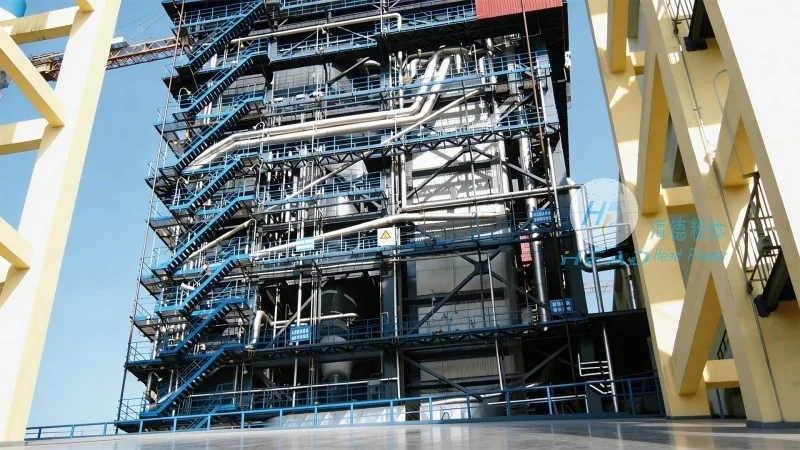
Waste and Byproduct Removal
In textile manufacturing, waste materials and byproducts, such as dust, lint, or rejected fibers, need to be removed from the production environment. Pneumatic conveying systems can efficiently collect and transport these waste materials to designated disposal or recycling areas, improving overall plant cleanliness and operational efficiency.
Quality Control and Sampling
Pneumatic conveying systems can be integrated with quality control equipment to sample fibers at various points in the production line. By using controlled suction or pressure, a small sample of material can be extracted and analyzed for characteristics such as fiber length, moisture content, or impurity levels, ensuring that the final product meets specified standards.
Company Profile: Shandong HeadPowder Engineering Co., Ltd.
Shandong HeadPowder Engineering Co., Ltd., operating under the brand name headpowder, is a leading manufacturer of advanced pneumatic conveying systems tailored for the textile industry. With a strong focus on innovation and customer satisfaction, the company has developed a range of customized solutions that address the unique challenges of textile fiber handling. HeadPowder's systems are designed to meet the specific requirements of textile manufacturers, offering high efficiency, reliability, and durability.
Conclusion
Textile fiber pneumatic conveying systems play a vital role in modern textile manufacturing, providing efficient and reliable material handling solutions. By understanding the different types, key features, and application ranges of these systems, textile manufacturers can optimize their production processes, improve product quality, and reduce operational costs. With the expertise and experience of companies like Shandong HeadPowder Engineering Co., Ltd., textile producers can access advanced pneumatic conveying technologies that enhance their overall operational performance.




