Molybdenum concentrate, a critical raw material in the metallurgical industry, often requires efficient and reliable transportation methods for processing and handling. Pneumatic conveying, a technology that uses air or other gas streams to transport bulk materials, has become a preferred solution for handling molybdenum concentrate due to its advantages in safety, hygiene, and operational flexibility. This article explores the concept of molybdenum concentrate pneumatic conveying and delves into the fundamental design principles that underpin this technology.
Understanding Molybdenum Concentrate Pneumatic Conveying
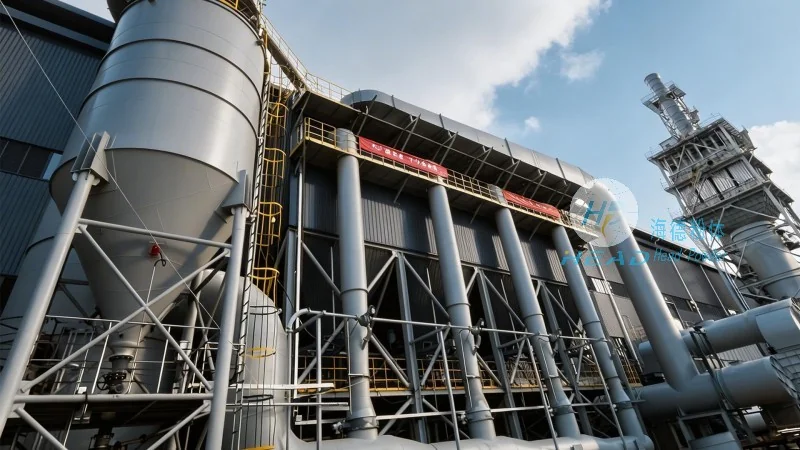
Molybdenum concentrate pneumatic conveying involves the movement of molybdenum ore particles through a pipeline system using a pressurized or vacuum air stream. The process typically starts with the material being fed into a hopper or feeder, where it is then introduced into the conveying line. The air stream, generated by a blower or compressor, carries the particles along the pipeline, transporting them from the source to the destination, such as a storage silo, processing plant, or other industrial facilities. This method eliminates the need for mechanical components like belts or buckets, reducing maintenance requirements and minimizing the risk of material contamination.
The Role of HeadPowder in Molybdenum Conveying Solutions
Shandong HeadPowder Engineering Co., Ltd., a leading provider of engineering solutions for bulk material handling, specializes in designing and manufacturing pneumatic conveying systems tailored to the unique needs of molybdenum processing facilities. With a deep understanding of the challenges associated with handling fine and abrasive molybdenum concentrate, HeadPowder leverages advanced engineering principles to develop customized solutions that ensure optimal performance, efficiency, and durability. The company’s expertise in material flow dynamics, system integration, and process optimization enables it to deliver systems that meet the stringent requirements of the metallurgical industry.
Key Design Principles for Molybdenum Concentrate Pneumatic Conveying Systems
The successful design of a molybdenum concentrate pneumatic conveying system relies on several critical principles that ensure the efficient and safe transport of the material. These principles include:
1. Air Velocity and Particle Size Relationship
The velocity of the air stream is a crucial factor in determining the ability to transport molybdenum particles. The air velocity must be sufficient to overcome the gravitational forces acting on the particles and maintain them in suspension within the pipeline. This relationship is often described by the "minimum conveying velocity" or "critical velocity," which is the minimum air velocity required to keep particles suspended and prevent deposition. For molybdenum concentrate, which typically consists of fine particles with varying sizes, the design must account for the range of particle diameters to ensure all sizes are effectively conveyed without excessive energy consumption.
2. System Pressure and Vacuum Options
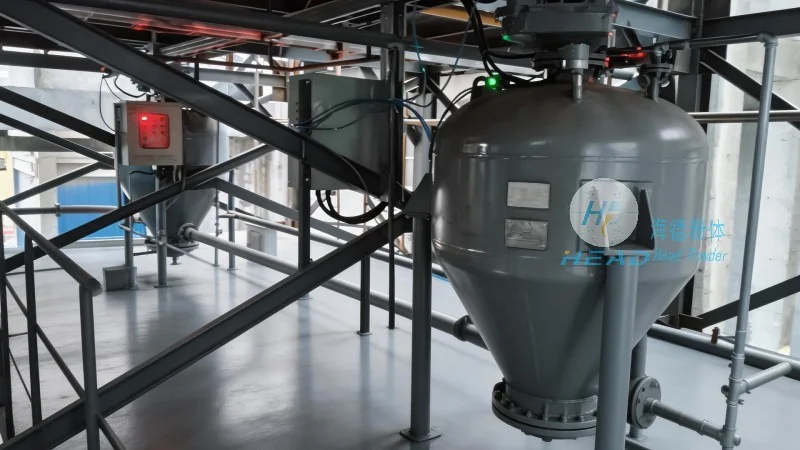
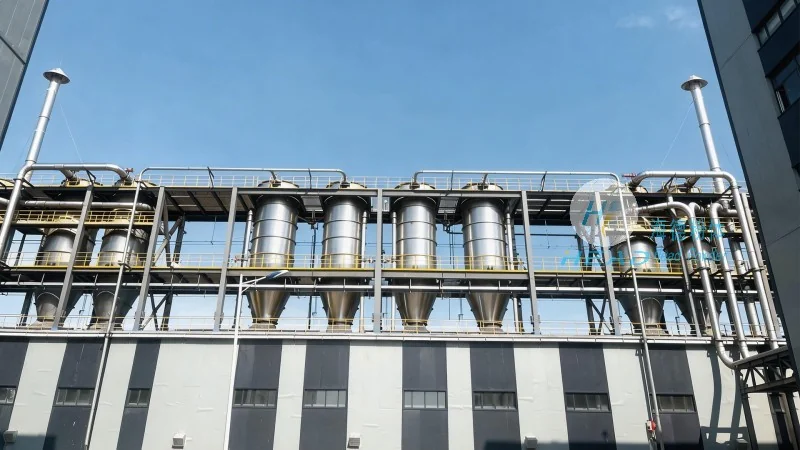
Molybdenum concentrate pneumatic conveying systems can operate under either positive pressure (blowing air into the system) or negative pressure (sucking air out of the system). Positive pressure systems are commonly used for short to medium-distance conveying, as they are generally more energy-efficient and easier to maintain. Negative pressure systems, on the other hand, are suitable for longer distances or when the material needs to be transported from a higher elevation to a lower one. The choice between pressure and vacuum depends on the specific application, material characteristics, and site conditions. The design must consider the pressure drop along the pipeline, which is influenced by factors such as pipe diameter, length, and the number of bends and fittings, to ensure adequate air flow and particle transport.
3. Material Handling and Wear Considerations
Molybdenum concentrate is often abrasive and can cause significant wear on the conveying system components, including pipelines, elbows, and valves. To mitigate this, the design incorporates materials with high wear resistance, such as stainless steel, alloyed steels, or specialized coatings. Additionally, the system may include features like liners, wear plates, and regular maintenance schedules to extend the service life of the equipment. The selection of appropriate materials and components is critical to ensure the longevity and reliability of the pneumatic conveying system.
4. System Integration and Control
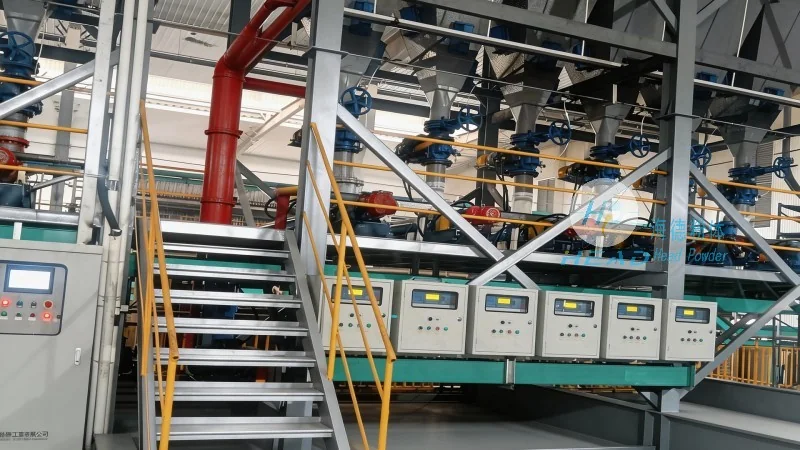
A well-designed molybdenum concentrate pneumatic conveying system integrates various components, including feeders, hoppers, blower units, filters, and control panels, to operate as a cohesive unit. The control system plays a vital role in regulating the air flow, particle feed rate, and system pressure to maintain optimal conveying conditions. Advanced control technologies, such as variable frequency drives (VFDs) and sensors, allow for real-time monitoring and adjustment of the system parameters, ensuring consistent performance and minimizing downtime. The integration of these components is essential to achieve efficient and reliable operation, especially in high-demand industrial environments.
Conclusion and Application of Molybdenum Concentrate Pneumatic Conveying
Molybdenum concentrate pneumatic conveying is a sophisticated and effective method for transporting molybdenum ore particles, offering significant advantages over traditional mechanical conveying systems. By adhering to the fundamental design principles outlined above, engineers can develop systems that are tailored to the specific requirements of molybdenum processing facilities. Shandong HeadPowder Engineering Co., Ltd. continues to be at the forefront of this technology, providing innovative solutions that enhance the efficiency and safety of molybdenum handling operations. As the demand for molybdenum increases, the importance of reliable and efficient conveying systems will only grow, making pneumatic conveying an indispensable part of the industry's infrastructure.




