Calcined gypsum, also known as plaster of Paris, is a widely used industrial material in construction and manufacturing. Pneumatic conveying systems are essential for efficiently transporting this material from production sites to processing or application points. This article explores the different types of calcined gypsum pneumatic conveying systems, their key features, and the diverse application ranges where they are employed.
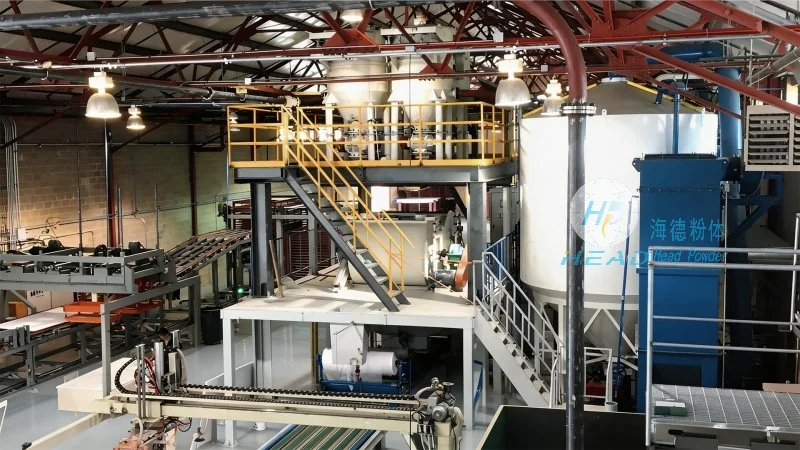
HeadPowder Engineering, a leading provider of material handling solutions, specializes in designing and implementing advanced pneumatic conveying systems tailored to the needs of industries that utilize calcined gypsum. With a focus on efficiency, reliability, and environmental compliance, HeadPowder Engineering offers customized solutions that enhance operational performance and reduce costs for clients across China.
Types of Calcined Gypsum Pneumatic Conveying Systems
There are primarily two main types of pneumatic conveying systems used for calcined gypsum: positive pressure and negative pressure systems. Each type has distinct characteristics and is suitable for different operational requirements.
Positive pressure systems, also known as pressure conveying systems, operate by blowing air or gas through the conveying line to move the material. These systems are generally more suitable for long-distance or high-capacity applications. They offer high conveying efficiency and can handle a wide range of material properties, including calcined gypsum with varying moisture content and particle sizes. The positive pressure system ensures that the material is continuously transported under pressure, minimizing the risk of clogging and ensuring consistent flow rates.
Negative pressure systems, or vacuum conveying systems, operate by creating a vacuum at the receiving end to draw the material into the conveying line. These systems are often preferred for shorter distances or when the material needs to be transported from multiple sources to a central collection point. They are particularly effective for handling dusty or fine powders like calcined gypsum, as the vacuum helps to contain dust and prevent environmental contamination. Negative pressure systems are also more energy-efficient for shorter conveying distances and can be more cost-effective for smaller-scale operations.
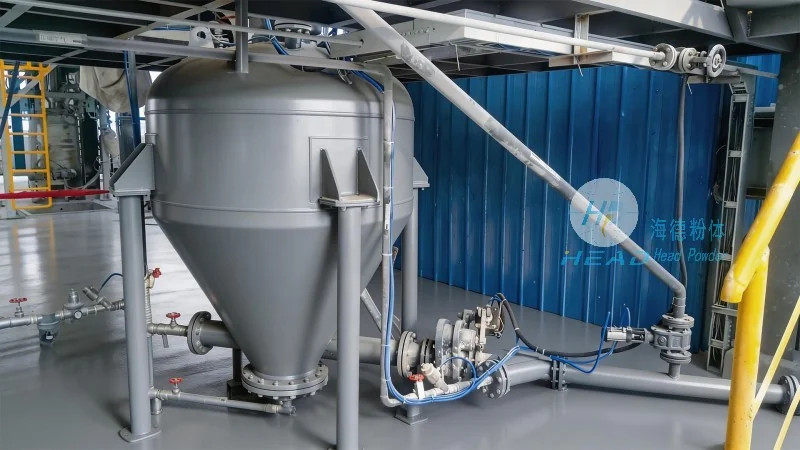
Application Ranges of Calcined Gypsum Pneumatic Conveying
The application ranges of calcined gypsum pneumatic conveying systems are extensive and cover various industries that rely on this material. In the construction industry, calcined gypsum is used as a raw material for producing gypsum boards, which are essential components in building interiors. Pneumatic conveying systems efficiently transport calcined gypsum from storage silos to production lines, ensuring a steady supply for manufacturing gypsum products. This is crucial for maintaining production continuity and meeting the high demand for building materials.
In the manufacturing sector, calcined gypsum is used in the production of plaster products, including decorative moldings and industrial coatings. Pneumatic conveying systems enable the precise and controlled delivery of calcined gypsum to mixing and processing equipment, ensuring consistent product quality. This is particularly important in industries where uniform material composition is critical, such as in the production of high-performance coatings or specialized building materials.
Additionally, calcined gypsum is used in the agricultural and horticultural industries as a soil amendment and fertilizer. Pneumatic conveying systems facilitate the transport of calcined gypsum from storage facilities to application sites, such as farms or garden centers. This allows for efficient distribution of the material, ensuring that it reaches the intended areas in the correct quantities. The systems help to minimize material loss and improve the overall effectiveness of soil treatment programs.
Key Features and Advantages
Calcined gypsum pneumatic conveying systems offer several key features and advantages that make them a preferred choice for material handling in various industries. One of the primary advantages is their ability to handle fine powders without clogging, which is critical for calcined gypsum due to its particle size and moisture content. The systems are designed to maintain consistent flow rates, ensuring that the material is transported efficiently and reliably.
Another important feature is the environmental benefits of pneumatic conveying. Unlike traditional methods such as bucket elevators or belt conveyors, pneumatic systems are enclosed, which helps to contain dust and prevent air pollution. This is particularly important for calcined gypsum, which can be a source of fine dust particles. The enclosed system also reduces the risk of material contamination and improves workplace safety by minimizing exposure to dust.
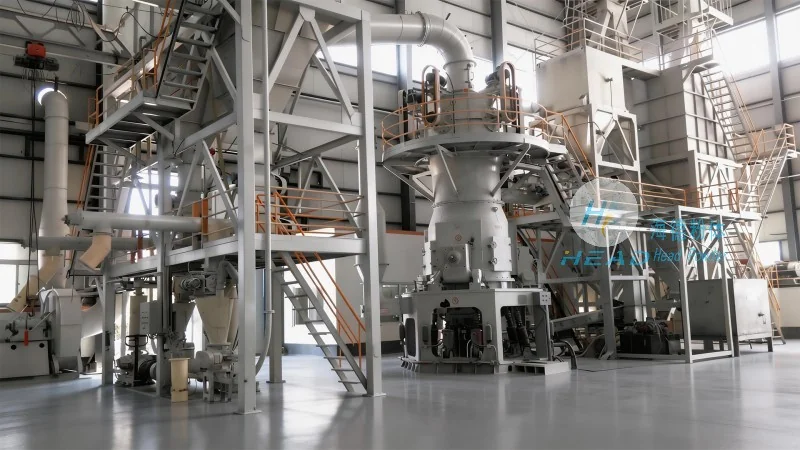
Efficiency is a significant advantage of pneumatic conveying systems. They can transport large volumes of material over long distances with minimal energy consumption compared to other methods. This results in lower operational costs and increased productivity for businesses. The systems are also flexible and can be easily integrated with existing production lines, allowing for seamless material flow and reduced downtime.
HeadPowder Engineering's Solutions for Calcined Gypsum Pneumatic Conveying
HeadPowder Engineering provides comprehensive solutions for calcined gypsum pneumatic conveying, tailored to the specific needs of each client. The company's team of experts works closely with clients to assess their operational requirements, material characteristics, and site conditions to design the most suitable system. Whether it's a positive pressure or negative pressure system, HeadPowder Engineering ensures that the system is optimized for efficiency, reliability, and cost-effectiveness.
The company uses advanced technology and high-quality components to build durable and long-lasting pneumatic conveying systems. The systems are designed to withstand the corrosive and abrasive nature of calcined gypsum, ensuring that they maintain performance over extended periods. HeadPowder Engineering also offers maintenance and support services to ensure that the systems operate at peak efficiency and minimize downtime.
With its headquarters in Shandong, China, HeadPowder Engineering serves clients across the country and beyond. The company's commitment to quality, innovation, and customer satisfaction has made it a trusted partner for industries that rely on calcined gypsum. By providing efficient and reliable pneumatic conveying solutions, HeadPowder Engineering helps clients improve their operational performance and achieve their business goals.




