Camellia seed pneumatic conveying is a critical process in the handling and processing of oilseeds, and the choice between negative pressure and positive pressure conveying systems significantly impacts operational efficiency, cost, and equipment maintenance. This article provides a detailed comparison of the advantages and disadvantages of negative pressure and positive pressure conveying methods for camellia seeds, helping industry professionals make informed decisions when selecting the most suitable conveying system for their operations. Shandong HeadPowder Engineering Co., Ltd., a leading provider of pneumatic conveying solutions, specializes in designing and manufacturing systems tailored to the unique needs of the agricultural industry.
Overview of Pneumatic Conveying Systems for Camellia Seeds
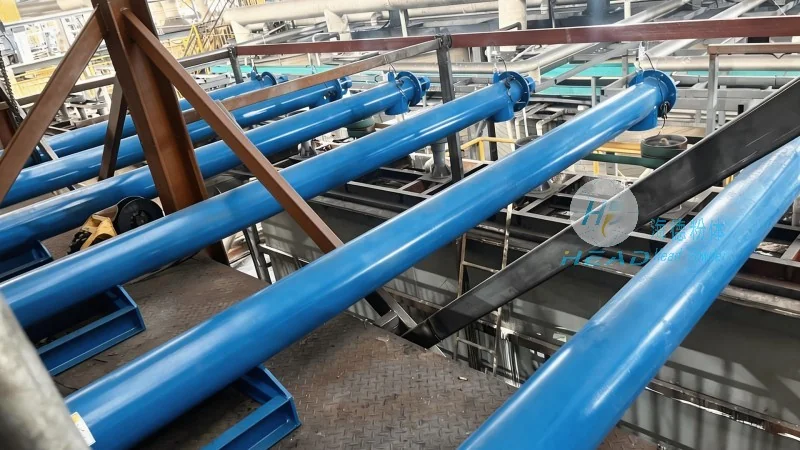
Pneumatic conveying systems are widely used in the agricultural and food processing industries to transport bulk materials like camellia seeds from one location to another. These systems utilize air to move materials through a pipeline network, offering advantages such as reduced labor costs, improved safety, and the ability to handle materials in enclosed environments. The two primary types of pneumatic conveying systems are negative pressure (or suction) conveying and positive pressure (or pressure) conveying. Each method has distinct characteristics that make it suitable for different applications and operational requirements.
Positive Pressure Conveying for Camellia Seeds
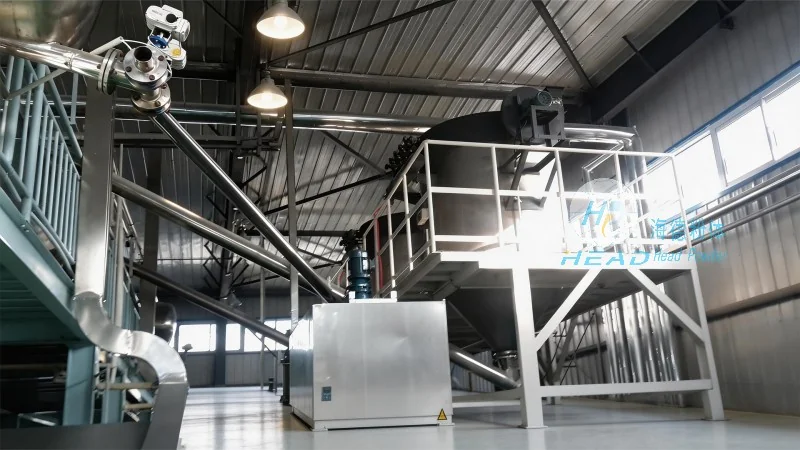
Positive pressure conveying systems operate by blowing air into the conveying line, creating a pressure higher than the ambient air pressure. This method is commonly used for short to medium-distance conveying of camellia seeds, typically up to several hundred meters. The primary advantages of positive pressure conveying include high conveying capacity, the ability to handle abrasive materials without excessive wear on equipment, and relatively simple system design. Positive pressure systems are also effective for conveying materials that are prone to dust generation, as the pressurized air helps to control dust and maintain a clean environment. However, these systems may require more robust and expensive equipment, such as high-pressure blowers and stronger pipelines, to maintain the necessary pressure levels. Additionally, positive pressure conveying can be less energy-efficient for long-distance applications, as the pressure must be maintained throughout the entire pipeline.
Negative Pressure Conveying for Camellia Seeds
Negative pressure conveying, also known as suction conveying, operates by creating a vacuum in the conveying line, drawing materials into the system using air drawn from the environment. This method is often preferred for longer-distance conveying of camellia seeds, typically exceeding several hundred meters. The main advantages of negative pressure conveying include lower energy consumption compared to positive pressure systems, as the vacuum is created by a relatively low-power fan. Negative pressure systems are also more suitable for handling materials that are sensitive to pressure changes or that may be contaminated by external air, as the system draws in materials from the source without exposing them to high-pressure air. However, negative pressure conveying has limitations, including lower conveying capacity compared to positive pressure systems, and the potential for dust and debris to enter the system from the environment, which can affect material quality and equipment performance. Additionally, negative pressure systems may require more complex filtration and cleaning procedures to maintain air quality and prevent clogging of the suction equipment.
Key Differences Between Negative and Positive Pressure Conveying
When comparing negative and positive pressure conveying for camellia seeds, several key factors must be considered. Conveying distance is a critical factor, as positive pressure systems are generally more suitable for shorter distances due to their higher pressure capabilities, while negative pressure systems are better suited for longer distances. Energy consumption is another important consideration, with negative pressure systems typically consuming less energy for long-distance conveying. Material characteristics, such as particle size, moisture content, and abrasiveness, also influence the choice of system. Positive pressure systems are often preferred for abrasive or high-volume materials, while negative pressure systems may be more suitable for sensitive or low-volume materials. Finally, operational costs, including equipment maintenance and energy expenses, play a significant role in the decision-making process. Positive pressure systems may have higher initial costs due to the need for high-pressure blowers, but negative pressure systems may have higher long-term costs due to increased maintenance and filtration requirements.
Application Examples and Case Studies
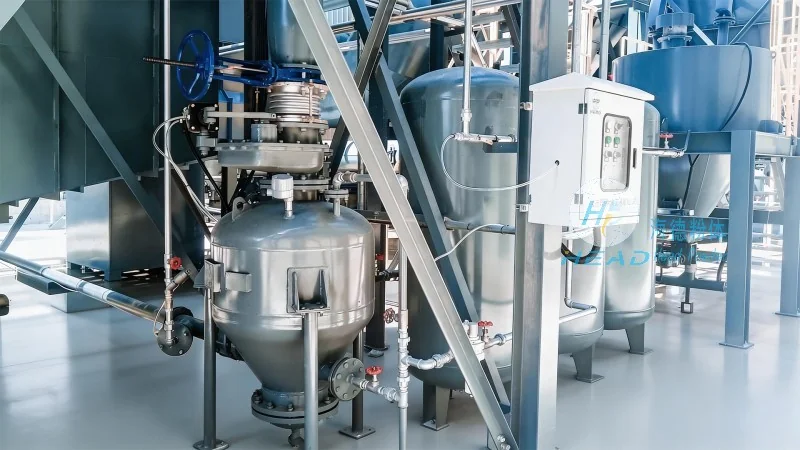
Real-world applications of negative and positive pressure conveying for camellia seeds provide valuable insights into their practical performance. For example, a camellia seed processing plant in China used a positive pressure conveying system to transport seeds from storage silos to a processing facility over a distance of 200 meters. The system achieved a conveying capacity of 10 tons per hour and demonstrated high efficiency in handling abrasive seeds. In contrast, another plant implemented a negative pressure conveying system to transport seeds over a distance of 800 meters from the field to the processing plant. The negative pressure system consumed 30% less energy than a positive pressure system and maintained consistent material quality, despite the longer distance. These case studies highlight the importance of matching the conveying system to the specific operational requirements and material characteristics to achieve optimal performance.
Conclusion and Recommendations
Both negative pressure and positive pressure conveying systems offer viable options for camellia seed pneumatic conveying, each with its own set of advantages and disadvantages. The choice between the two methods depends on factors such as conveying distance, material characteristics, energy consumption, and operational costs. For short to medium-distance conveying of abrasive or high-volume camellia seeds, positive pressure conveying is often the preferred choice due to its high capacity and efficiency. For longer-distance conveying of sensitive or low-volume materials, negative pressure conveying may be more suitable due to its lower energy consumption and ability to handle materials without high pressure. Ultimately, the most effective conveying system for camellia seeds is one that is carefully matched to the specific needs of the operation, ensuring optimal performance, cost-effectiveness, and material quality. As the demand for efficient and sustainable processing methods in the agricultural industry continues to grow, the selection of the appropriate pneumatic conveying system will remain a critical factor in the success of camellia seed processing operations.




