When it comes to the efficient and reliable transport of cellulose materials, the choice between negative pressure and positive pressure pneumatic conveying systems is a critical decision for industries such as paper, pulp, and biomass processing. Understanding the inherent advantages and disadvantages of each approach is essential for optimizing operational performance, cost-effectiveness, and system longevity. This article provides a detailed comparison of negative pressure and positive pressure conveying in the context of cellulose material handling, highlighting key factors that influence the selection process.
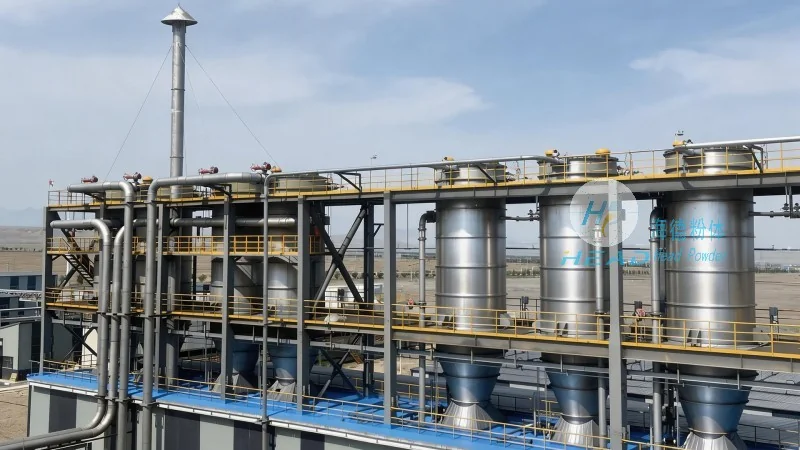
Introduction to Pneumatic Conveying Systems for Cellulose
Pneumatic conveying is a widely adopted method for transporting bulk materials like cellulose, which are often dusty, fibrous, or have a tendency to agglomerate. The primary goal of these systems is to move materials from a source to a destination using air as the conveying medium. Two main categories of pneumatic conveying exist: negative pressure (or suction) systems and positive pressure (or pressure) systems. Each has distinct characteristics that make it suitable for specific applications and operational environments.
Company Overview: Shandong HeadPowder Engineering Co., Ltd.
As a leading provider of engineering solutions for material handling, Shandong HeadPowder Engineering Co., Ltd. specializes in designing and manufacturing customized pneumatic conveying systems tailored to the unique needs of cellulose processing industries. With a strong commitment to innovation and quality, the company has established itself as a trusted partner for businesses seeking efficient and reliable material transport solutions. HeadPowder's expertise spans the entire spectrum of pneumatic conveying technologies, including both negative and positive pressure systems, ensuring that clients receive the most appropriate solution for their specific requirements.
Advantages of Negative Pressure Conveying in Cellulose Handling
Negative pressure conveying, also known as suction conveying, operates by creating a vacuum at the material inlet to draw the material into the system. This method is particularly effective for handling materials that are light, dusty, or prone to generating fine particles. One of the key advantages of negative pressure systems is their ability to minimize product contamination and degradation. Since the material is drawn into the system rather than being forced through it, there is less risk of mechanical damage or overheating, which is crucial for delicate cellulose materials. Additionally, negative pressure systems are generally more energy-efficient compared to their positive pressure counterparts, as they require less air volume and pressure to achieve the same conveying capacity. This translates into lower operational costs and reduced energy consumption over the long term.
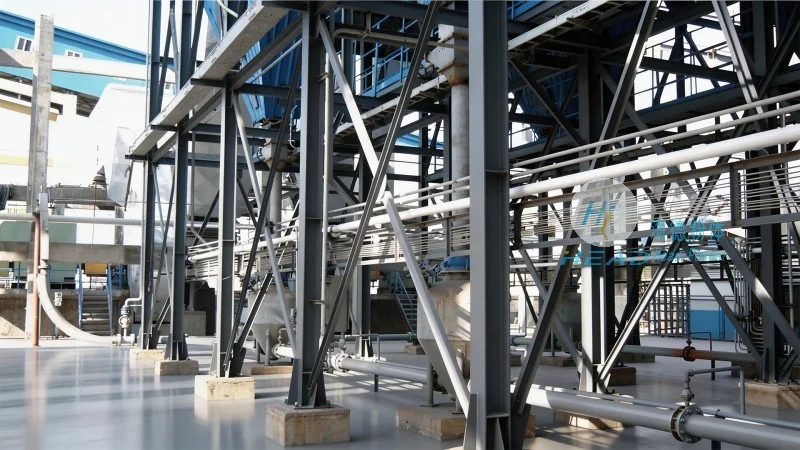
Another significant advantage of negative pressure conveying is its suitability for long-distance and high-rise applications. The vacuum created at the inlet can effectively pull material over considerable distances and vertical elevations, making it ideal for facilities with complex layouts or multiple processing stages. This capability is particularly valuable in cellulose processing plants where materials need to be transported from raw material storage to processing units or from processing units to storage areas. Furthermore, negative pressure systems are often more compact and easier to integrate into existing infrastructure, as they do not require high-pressure air compressors or extensive piping networks.
Disadvantages of Negative Pressure Conveying in Cellulose Handling
Despite its advantages, negative pressure conveying also presents several challenges that may limit its applicability in certain scenarios. One of the primary drawbacks is the risk of air leakage and system inefficiency. If the system is not properly sealed or maintained, air can leak into the conveying line, reducing the vacuum pressure and leading to decreased conveying efficiency. This can result in material buildup or clogging, which may require frequent maintenance and downtime. Another disadvantage is the potential for material degradation due to prolonged exposure to the conveying air. In some cases, the air used in negative pressure systems may contain moisture or contaminants that can affect the quality of the cellulose material, especially if the material is sensitive to humidity or temperature changes.
Furthermore, negative pressure systems may have limitations in handling abrasive or high-density materials. The suction process can be less effective for materials that are heavy or have a high bulk density, as the vacuum may not be sufficient to draw them into the system. This can lead to reduced conveying capacity and increased wear on system components. Additionally, the design and installation of negative pressure systems require careful consideration of the system's overall pressure drop and airflow requirements, as improper sizing can result in inadequate material transport or excessive energy consumption.
Advantages of Positive Pressure Conveying in Cellulose Handling
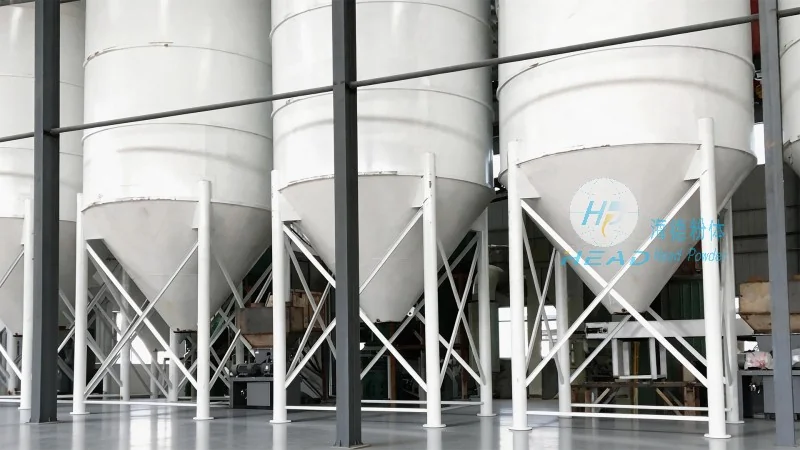
Positive pressure conveying, or pressure conveying, operates by forcing air and material through the system using a high-pressure air compressor. This method is particularly effective for handling materials that are heavy, abrasive, or prone to agglomeration. One of the key advantages of positive pressure systems is their ability to handle a wide range of material types, including those with high bulk density or low flowability. The high-pressure air ensures that the material is effectively pushed through the conveying line, minimizing the risk of clogging or material buildup. This makes positive pressure systems ideal for transporting cellulose materials that are dense or have a tendency to stick together, such as wood chips or pulp slurry.
Another significant advantage of positive pressure conveying is its superior control over material flow and system pressure. By adjusting the air pressure and flow rate, operators can precisely control the speed and direction of material transport, ensuring consistent and reliable operation. This level of control is particularly valuable in processing plants where precise material delivery is critical, such as in the production of paper or biofuels. Additionally, positive pressure systems are generally more resistant to air leakage and system inefficiency compared to negative pressure systems, as the high-pressure air is contained within the system and does not escape easily.
Furthermore, positive pressure conveying is often more suitable for short-distance and low-rise applications, as the high-pressure air can effectively push material over shorter distances and vertical elevations. This makes it ideal for facilities with compact layouts or where the conveying distance is relatively short. The system's design also allows for easier integration with other processing equipment, as the high-pressure air can be used to power other components or assist in material handling tasks.
Disadvantages of Positive Pressure Conveying in Cellulose Handling
Despite its advantages, positive pressure conveying also has several drawbacks that may impact its suitability for certain applications. One of the primary disadvantages is the higher energy consumption and operational costs compared to negative pressure systems. The high-pressure air compressor requires significant power to operate, leading to increased electricity bills and higher overall operating expenses. This can be a significant factor for businesses operating on tight budgets or in regions with high energy costs.
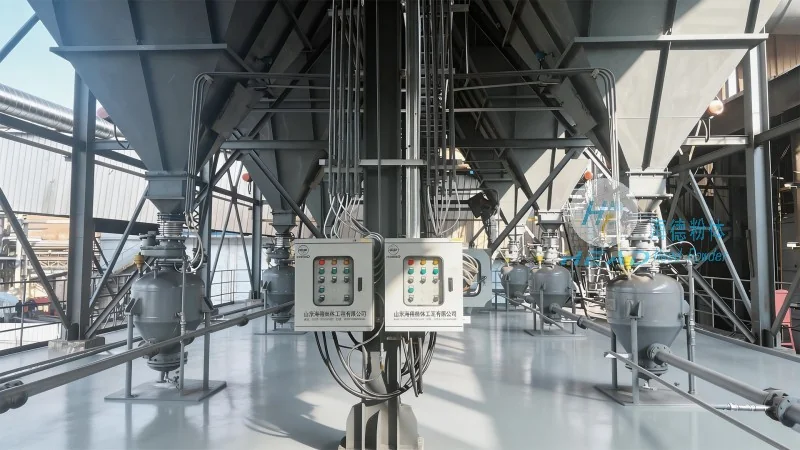
Another disadvantage of positive pressure conveying is the risk of product contamination and degradation. The high-pressure air used in the system may contain moisture or contaminants that can affect the quality of the cellulose material, especially if the material is sensitive to humidity or temperature changes. Additionally, the forced air can cause mechanical damage to the material, such as breaking fibers or overheating, which may reduce the quality of the final product. This is particularly relevant in the paper and pulp industry, where the integrity of the cellulose fibers is crucial for the quality of the end product.
Furthermore, positive pressure systems may have limitations in handling light or dusty materials. The high-pressure air can cause the material to become airborne and potentially escape from the system, leading to dust emissions and environmental concerns. This can be a significant issue in facilities that are subject to strict environmental regulations. Additionally, the design and installation of positive pressure systems require careful consideration of the system's pressure drop and airflow requirements, as improper sizing can result in excessive wear on system components or reduced conveying efficiency.
Key Factors Influencing the Selection of Conveying Systems
When selecting between negative pressure and positive pressure pneumatic conveying systems for cellulose material handling, several key factors must be considered. The first and most important factor is the nature of the material being transported. Materials that are light, dusty, or prone to generating fine particles are better suited for negative pressure systems, as they can be effectively drawn into the system without causing excessive wear or degradation. In contrast, heavy, abrasive, or agglomerating materials are more suitable for positive pressure systems, as the high-pressure air can effectively push them through the conveying line.




