For industries dealing with foam plastic materials, efficient material handling is crucial. Pneumatic conveying systems offer a reliable solution for transporting these lightweight, often abrasive, and sometimes sensitive materials. This article provides an overview of foam plastic pneumatic conveying and explains the fundamental working principles of such systems.
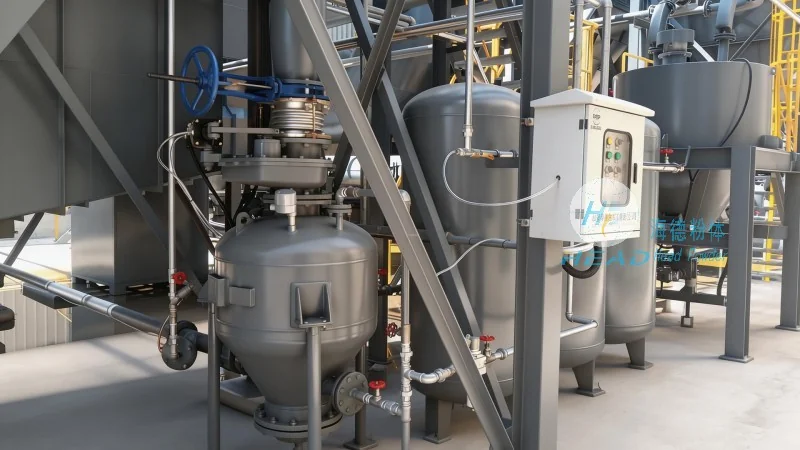
Foam Plastic Pneumatic Conveying: Key Characteristics and Challenges
Foam plastics, such as polystyrene, polyethylene, and polyurethane, are widely used in packaging, insulation, and automotive applications due to their lightweight and insulating properties. However, their unique characteristics present specific challenges for material handling. Foam materials are often lightweight, with low bulk density, which can lead to low conveying velocity and potential blockages if not handled properly. Additionally, foam plastics can be abrasive or fragile, requiring gentle handling to avoid degradation or damage. Pneumatic conveying systems are designed to address these challenges by using air to transport materials, minimizing mechanical contact and preserving material integrity.
The Working Principle of Pneumatic Conveying Systems
Pneumatic conveying systems operate by using compressed air to move materials through a pipeline. The process typically involves several key components: a material feed hopper, a conveying line, a separator or filter, and a discharge outlet. The system works by creating a pressure differential between the inlet and outlet of the conveying line. Compressed air is introduced at the inlet, creating a low-pressure zone that draws the material from the hopper into the pipeline. As the material travels through the line, it is carried by the air stream, which can be either positive pressure (where air pushes the material) or negative pressure (where air pulls the material). The choice between positive and negative pressure depends on the application, material characteristics, and system design. The separator or filter at the discharge end separates the material from the air, allowing the material to be collected while the air is either vented or recirculated.
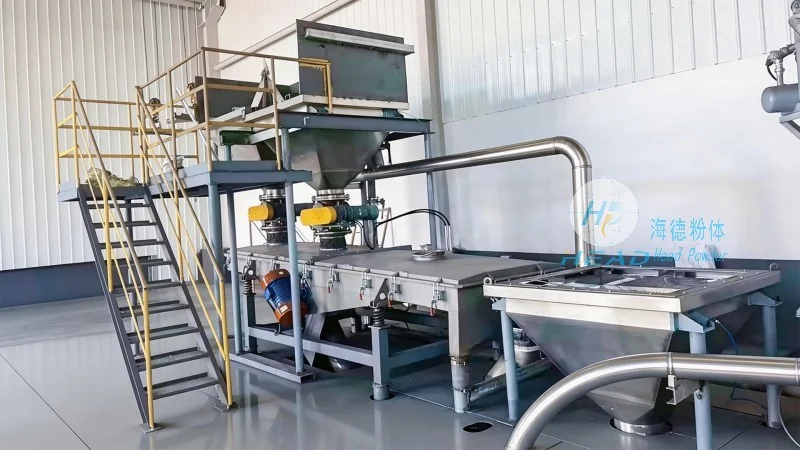
Components and Design Considerations for Foam Plastic Conveying
The effectiveness of a pneumatic conveying system for foam plastics depends on several critical components and design choices. First, the material feed hopper must be designed to handle the specific properties of foam materials, such as low bulk density and potential dust generation. A hopper with a wide opening and a smooth interior surface helps prevent material bridging and ensures consistent feed. Second, the conveying line must be appropriately sized and constructed to minimize pressure drop and maintain the required air velocity. For foam plastics, larger pipe diameters are often recommended to reduce friction losses and prevent blockages. The material of the pipe, such as stainless steel or food-grade plastic, is also important to prevent corrosion or contamination. Third, the separator or filter is a critical component for maintaining material purity and system efficiency. It must be capable of separating fine foam particles from the air stream without causing excessive pressure drop or material loss. Finally, the system's control and monitoring features, such as pressure sensors and flow meters, help ensure optimal operation and detect any issues early.
Applications of Foam Plastic Pneumatic Conveying
Foam plastic pneumatic conveying is widely used in various industries, including packaging, automotive, and construction. In the packaging industry, it is used to transport foam packaging materials from production lines to storage or shipping areas. The lightweight nature of foam plastics makes them ideal for this application, as the system can handle large volumes with minimal energy consumption. In the automotive industry, foam plastics are used for interior components, such as seat cushions and insulation. Pneumatic conveying systems are used to transport these materials from manufacturing facilities to assembly lines, ensuring a smooth and efficient supply chain. In the construction industry, foam plastics are used for insulation and soundproofing materials. The systems help transport these materials to job sites, reducing handling time and improving safety. Overall, pneumatic conveying systems provide a flexible and efficient solution for handling foam plastics in various industrial applications.
Advantages of Using Pneumatic Conveying for Foam Plastics
Compared to traditional material handling methods, such as belt conveyors or bucket elevators, pneumatic conveying systems offer several advantages for foam plastics. First, they provide a gentle and non-abrasive handling method, which helps preserve the material's integrity and reduces the risk of damage. This is particularly important for sensitive foam plastics, such as polyurethane foams used in insulation. Second, pneumatic conveying systems are highly flexible, allowing for changes in material flow direction and destination without the need for extensive reconfiguration. This flexibility is beneficial for industries with changing production schedules or product lines. Third, the systems are energy-efficient, especially when using negative pressure, as they require less power to operate compared to positive pressure systems. Fourth, pneumatic conveying systems can handle a wide range of material sizes and shapes, including irregularly shaped foam pieces. Finally, the systems are relatively low-maintenance, with fewer moving parts compared to mechanical conveyors, reducing downtime and maintenance costs.
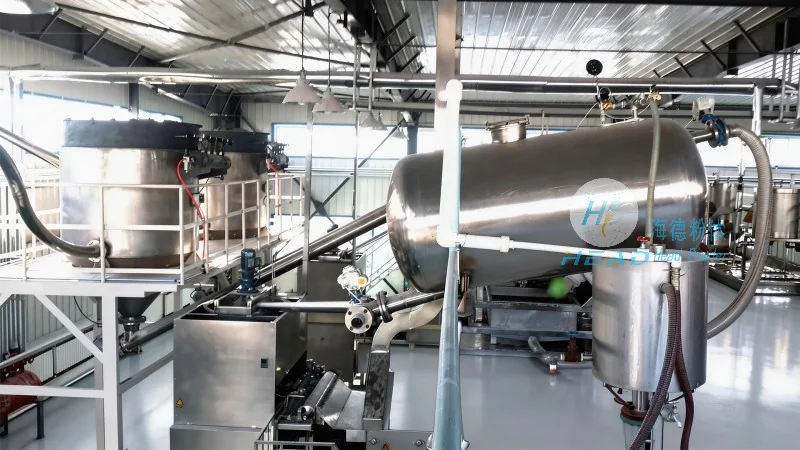
Challenges and Mitigation Strategies in Foam Plastic Pneumatic Conveying
Despite their advantages, pneumatic conveying systems for foam plastics can face several challenges. One common issue is blockage, which occurs when foam materials accumulate in the pipeline, leading to pressure buildup and system failure. To mitigate this, system designers often use larger pipe diameters and incorporate air knives or vibrators to break up any blockages. Another challenge is dust generation, which can affect system efficiency and worker health. Proper filtration and dust collection systems are essential to address this issue. Additionally, foam materials can be lightweight and prone to being carried away by the air stream, leading to material loss. Using appropriate separator designs and maintaining consistent air velocity can help minimize material loss. Finally, system design must account for the low bulk density of foam plastics, as this affects the required air velocity and system capacity. By addressing these challenges through proper system design and maintenance, pneumatic conveying systems can effectively handle foam plastics with minimal issues.
Conclusion: The Role of Pneumatic Conveying in Foam Plastic Handling
Pneumatic conveying systems play a vital role in the efficient handling of foam plastic materials across various industries. By leveraging compressed air to transport materials, these systems offer a gentle, flexible, and energy-efficient solution that addresses the unique challenges of foam plastics. The working principles and design considerations outlined in this article highlight the importance of proper system configuration to ensure optimal performance and material integrity. As industries continue to rely on foam plastics for their lightweight and insulating properties, pneumatic conveying systems will remain a critical component of material handling infrastructure. Companies like Shandong HeadPowder Engineering Co., Ltd., based in China, specialize in designing and manufacturing such systems, providing tailored solutions to meet the specific needs of their clients. With proper design and maintenance, pneumatic conveying systems can enhance productivity, reduce costs, and improve the overall handling of foam plastics in industrial applications.




