HeadPowder, a leading engineering firm based in Shandong, China, specializes in the design and implementation of advanced pneumatic conveying systems for various industrial applications. The focus here is on the design of equipment specifically tailored for handling ABS granules, a critical material in the plastics manufacturing sector. This article provides an in-depth look at the technical considerations, components, and operational principles that define effective ABS granule pneumatic conveying solutions.
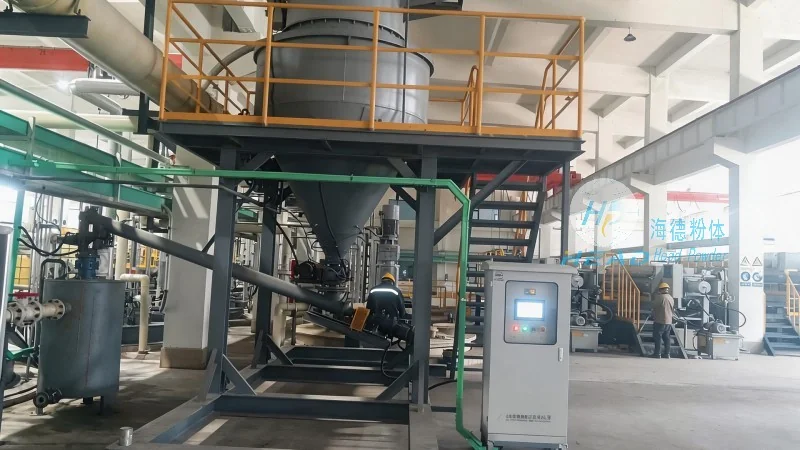
Key Design Considerations for ABS Granule Pneumatic Conveying
The successful design of a pneumatic conveying system for ABS granules hinges on several key factors. First, the material's physical properties, such as particle size, density, and flowability, must be thoroughly analyzed. ABS granules typically have a relatively uniform size distribution, which facilitates consistent air flow and reduces the risk of blockages. However, their density and potential for static charge accumulation require special attention. The design must incorporate measures to manage static electricity, such as grounding and anti-static additives, to prevent material buildup and ensure smooth operation.
Second, the system's air flow characteristics are paramount. The velocity of the air stream must be optimized to maintain particle suspension without causing excessive wear on the equipment. High velocities can lead to increased friction and component wear, while low velocities may result in particle deposition and system inefficiency. Engineers at HeadPowder employ computational fluid dynamics (CFD) simulations to model the air-particle interaction and determine the optimal air velocity and pressure for the specific application.
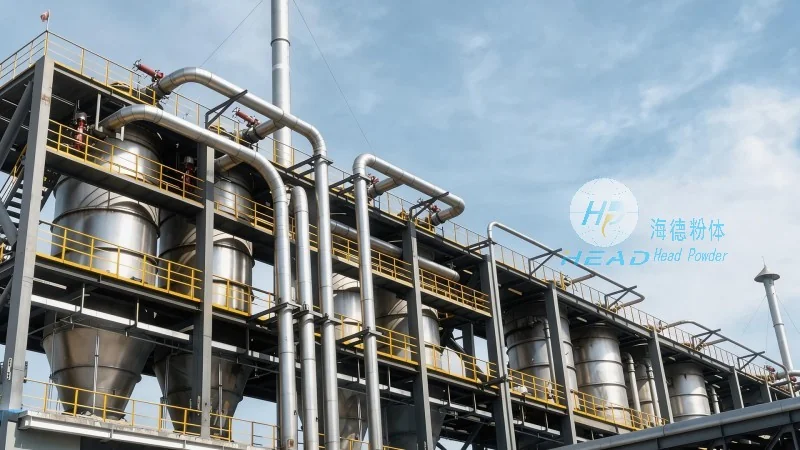
Third, the selection of appropriate components is critical. The conveying line, typically made of corrosion-resistant materials like stainless steel or high-grade plastic, must be designed to withstand the abrasive nature of ABS granules. The use of smooth, rounded bends and elbows minimizes friction and particle attrition. Additionally, the system includes a series of valves, filters, and cyclones to control the flow, separate the conveyed material from the air, and ensure clean operation. The design also considers the integration of safety features, such as pressure relief valves and emergency shut-off mechanisms, to protect both personnel and equipment.
Components and Functional Aspects of the Pneumatic Conveying System
The ABS granule pneumatic conveying system consists of several interconnected components, each playing a vital role in the overall operation. The primary components include the air supply unit, which generates the necessary pressure and volume of air; the hopper or feed hopper, where the ABS granules are stored and metered before being introduced into the system; and the conveying line, which transports the material from the feed point to the discharge point.
The air supply unit is typically a high-pressure blower or compressor, capable of delivering air at pressures ranging from 0.5 to 2 bar, depending on the system's capacity and the distance the material needs to travel. The blower's design, whether positive displacement or centrifugal, affects the system's efficiency and noise levels. For ABS granule applications, a positive displacement blower is often preferred due to its ability to maintain consistent air flow even at low pressures.
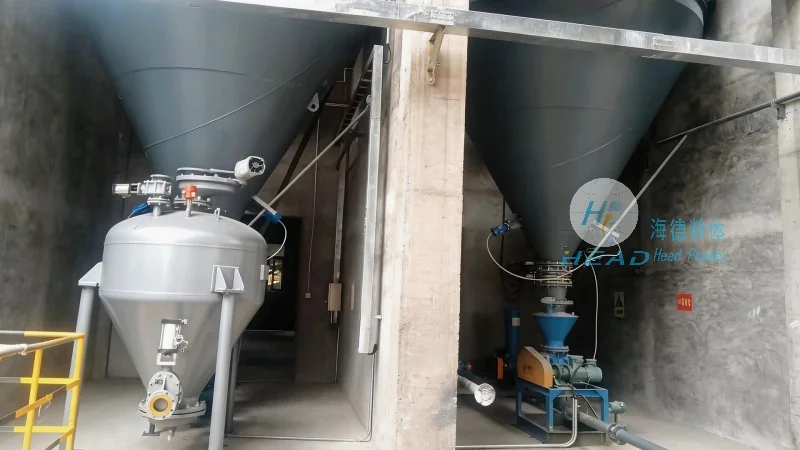
The feed hopper is designed to control the flow rate of the ABS granules into the conveying line. It may include a rotary valve or a screw feeder to ensure a steady, controlled feed. The hopper's interior is often lined with a non-stick material, such as Teflon, to prevent material adhesion and facilitate cleaning. The hopper also incorporates a venting system to allow air to escape as the material is added, preventing pressure buildup and ensuring smooth feeding.
The conveying line itself is a crucial component, often constructed from stainless steel or food-grade plastic, depending on the application's requirements. The line includes a series of straight sections and bends, with the angle and radius of the bends carefully calculated to minimize pressure drop and particle separation. The use of flexible connectors allows for some movement and vibration absorption, reducing stress on the system components. At the discharge end, a cyclone separator is used to separate the ABS granules from the air stream. The cyclone works by centrifugal force, where the heavier particles are forced to the wall and fall to the collection bin, while the air is discharged through the top of the cyclone.
Following the cyclone, a filter may be installed to capture any fine particles that escaped the cyclone, ensuring that the exhaust air is clean and meets environmental regulations. The filter is typically a bag filter or a cartridge filter, depending on the system's capacity and the required filtration efficiency. The collected ABS granules are then transferred to the final storage or processing area via a discharge valve or conveyor.
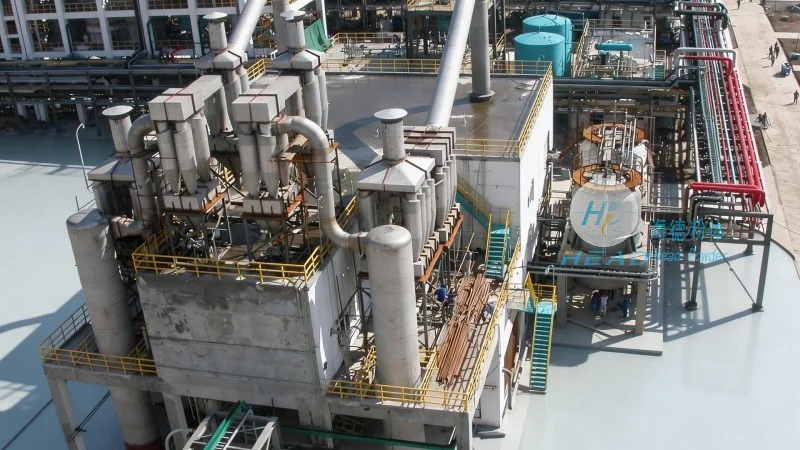
Advantages and Applications of the ABS Granule Pneumatic Conveying System
The design of the ABS granule pneumatic conveying system offers several advantages over traditional mechanical conveying methods. First, it eliminates the need for moving parts in the conveying line, reducing maintenance requirements and extending the system's lifespan. The absence of belts, chains, or gears also minimizes the risk of material contamination, which is critical for food-grade or pharmaceutical applications. Additionally, the system is highly flexible, allowing for changes in the conveying route or capacity without major modifications.
Second, the pneumatic conveying system provides a dust-free and clean operation environment. Unlike mechanical conveyors, which can generate significant dust and particle dispersion, the pneumatic system keeps the material contained within the air stream, reducing the risk of contamination and improving workplace safety. This is particularly important for ABS granules, which can be fine and easily airborne, posing health risks if not properly controlled.




