Membrane coated sand, a critical material in foundry production, requires efficient and reliable transportation methods to ensure consistent quality and process efficiency. Pneumatic conveying systems have emerged as a preferred solution for handling this material, offering advantages such as reduced dust, improved material flow, and enhanced safety. The choice between positive pressure and negative pressure modes in pneumatic conveying technology significantly impacts system performance, cost, and operational flexibility. This article provides a detailed analysis of these two modes, highlighting their characteristics, applications, and key considerations for selecting the appropriate system for membrane coated sand handling.
Positive Pressure Pneumatic Conveying Mode
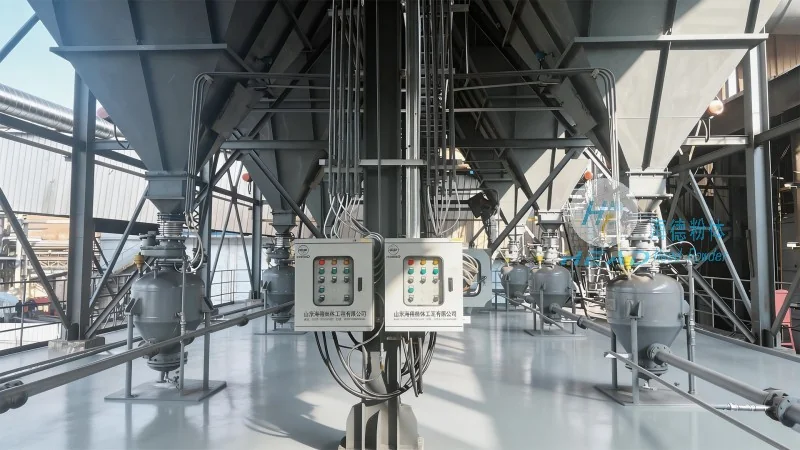
Positive pressure systems operate by generating air pressure within the conveying line, pushing material from the source to the destination. This mode is particularly effective for transporting membrane coated sand over longer distances or through complex piping networks. The primary advantage of positive pressure is its ability to handle high material loads with consistent flow rates, making it suitable for large-scale foundry operations. The system typically includes a blower or compressor that supplies compressed air, which propels the sand particles through the pipeline. Key components of a positive pressure system include the material feeder, conveying line, air separation unit, and dust collection equipment. The air separation unit is crucial as it separates the sand from the air stream, allowing for efficient material recovery and air filtration. For membrane coated sand, the positive pressure mode ensures minimal material degradation due to the controlled air flow and reduced particle impact on the system components. This mode is also beneficial for applications where the material needs to be transported to multiple destinations or through vertical lifts, as the positive pressure can maintain consistent flow even in challenging layouts.
Negative Pressure Pneumatic Conveying Mode
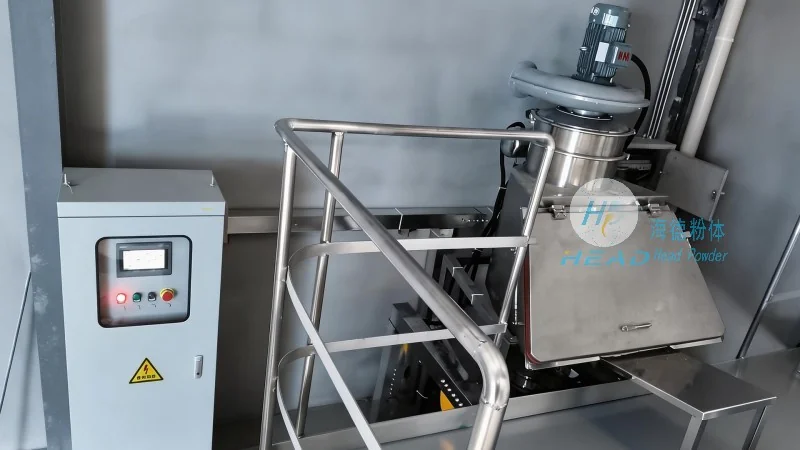
Negative pressure systems, also known as vacuum or suction systems, operate by creating a vacuum in the conveying line, drawing material from the source to the destination. This mode is often preferred for shorter conveying distances or when the material is to be transported from a single source to a single destination. The primary advantage of negative pressure is its lower energy consumption compared to positive pressure systems, as it relies on the vacuum created by a fan or ejector rather than compressing air. This makes it more energy-efficient and cost-effective for smaller-scale operations. The system components include a vacuum source, material feeder, conveying line, and a material collection unit at the destination. The vacuum draws the sand particles into the line, and the air flow carries them to the collection point. For membrane coated sand, negative pressure systems are effective for handling fine particles and preventing dust dispersion, as the vacuum helps contain the material within the system. However, the negative pressure mode may be less suitable for long-distance or high-volume transport due to potential pressure drop and material clogging in the line. The system's performance is also influenced by the air flow rate and the design of the material feeder, which must be optimized to maintain consistent suction and prevent material buildup.
Comparison of Positive and Negative Pressure Modes for Membrane Coated Sand
When selecting a pneumatic conveying system for membrane coated sand, it is essential to compare the positive and negative pressure modes based on specific operational requirements. Positive pressure systems are generally more suitable for large-scale, high-volume applications with longer conveying distances or complex layouts. They offer higher material throughput and better control over flow rates, making them ideal for foundries with high production demands. The main drawbacks of positive pressure systems include higher energy consumption and the need for robust air filtration and separation equipment to handle the higher air flow rates. Negative pressure systems, on the other hand, are more energy-efficient and better suited for smaller-scale operations or shorter distances. They are effective for handling fine membrane coated sand particles and reducing dust emissions, but may face challenges with long-distance transport and material clogging. The choice between the two modes also depends on the material's properties, such as particle size, density, and moisture content. For example, membrane coated sand with larger particles may perform better in positive pressure systems due to the higher air velocity required to maintain flow, while finer particles may benefit from the lower air velocities in negative pressure systems. Additionally, the system's cost and maintenance requirements should be considered. Positive pressure systems typically have higher initial costs due to the need for a blower or compressor, but lower maintenance costs compared to negative pressure systems, which may require more frequent cleaning and maintenance of the vacuum source and collection unit.
Key Considerations for Selecting the Appropriate Pneumatic Conveying System
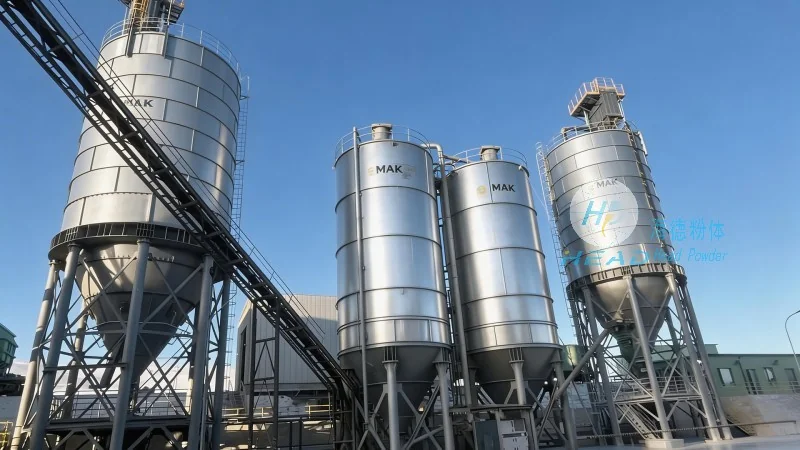
Choosing the right pneumatic conveying system for membrane coated sand involves evaluating several factors to ensure optimal performance and efficiency. First, the conveying distance and layout of the system must be considered. Longer distances or complex piping networks often require positive pressure systems due to their ability to maintain consistent flow and pressure. Shorter distances or simple layouts may be suitable for negative pressure systems. Second, the material characteristics, such as particle size, density, and moisture content, play a crucial role. Larger or denser particles may require higher air velocities, which are better accommodated by positive pressure systems. Finer particles or those with higher moisture content may benefit from the lower air velocities and reduced impact in negative pressure systems. Third, the system's energy consumption and operational costs are important considerations. Negative pressure systems are generally more energy-efficient, making them cost-effective for smaller operations. However, positive pressure systems may offer better long-term cost savings due to lower maintenance requirements. Fourth, the system's capacity and throughput needs must be matched to the production requirements of the foundry. Large-scale operations with high material throughput will benefit from positive pressure systems, while smaller operations may find negative pressure systems more suitable. Finally, the environmental and safety considerations should be addressed. Both positive and negative pressure systems can be designed to minimize dust emissions and ensure safe operation, but the specific design and equipment choices will impact their performance in this regard. For example, positive pressure systems may require more advanced air filtration to handle higher air flow rates, while negative pressure systems may need additional measures to prevent dust leakage from the collection unit.
Conclusion
Both positive and negative pressure pneumatic conveying modes offer effective solutions for handling membrane coated sand, with each mode having its own advantages and limitations. Positive pressure systems are ideal for large-scale, high-volume operations with longer conveying distances or complex layouts, providing consistent flow and higher material throughput. Negative pressure systems, on the other hand, are more energy-efficient and suitable for smaller-scale operations or shorter distances, effectively handling fine particles and reducing dust emissions. The choice between the two modes depends on the specific operational requirements, material characteristics, and cost considerations of the foundry. By carefully evaluating these factors, foundries can select the most appropriate pneumatic conveying system to ensure efficient, reliable, and cost-effective handling of membrane coated sand. Shandong HeadPowder Engineering Co., Ltd., a leading provider of pneumatic conveying solutions, offers customized systems tailored to the unique needs of foundry operations, ensuring optimal performance and process efficiency.




