HeadPowder, a leading manufacturer based in Shandong, China, specializes in the design and production of advanced pneumatic conveying systems tailored for masterbatch granules. This article explores the key aspects of such equipment, emphasizing its functionality, efficiency, and the engineering principles behind its development.
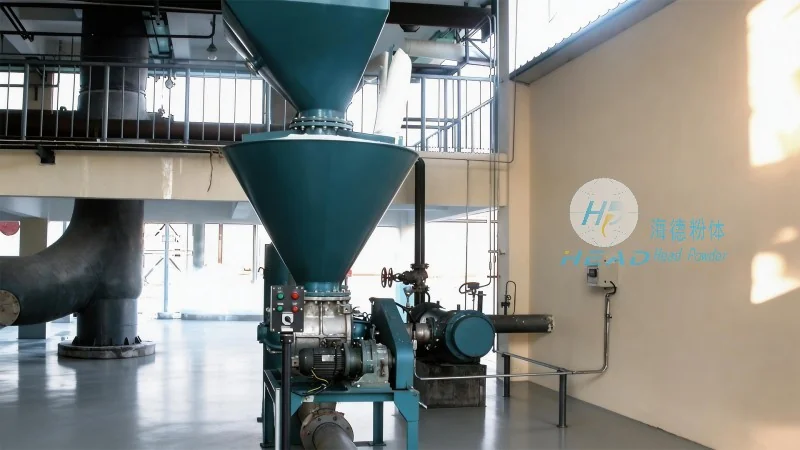
Introduction to Pneumatic Conveying Systems for Masterbatch Granules
Pneumatic conveying equipment is a critical component in the processing and handling of masterbatch granules, which are essential additives used in various plastic and polymer applications. These systems utilize air or gas to transport bulk materials, offering a dust-free, efficient, and flexible solution compared to traditional mechanical conveying methods. The design of such equipment must consider several factors, including material properties, flow rates, system pressure, and the overall operational environment.
Key Design Considerations for Masterbatch Granule Conveying
When designing a pneumatic conveying system for masterbatch granules, engineers at HeadPowder focus on several critical parameters to ensure optimal performance. The first consideration is the material's physical characteristics, such as particle size, density, and moisture content. Masterbatch granules typically have a uniform size range, which influences the selection of air velocity and system pressure to prevent blockages and ensure smooth flow. The system's design must also accommodate the specific flow rate requirements, which vary based on production scale and application needs. Additionally, the choice of air or gas as the conveying medium, along with the pressure levels (e.g., low, medium, or high-pressure systems), directly impacts the efficiency and energy consumption of the operation.
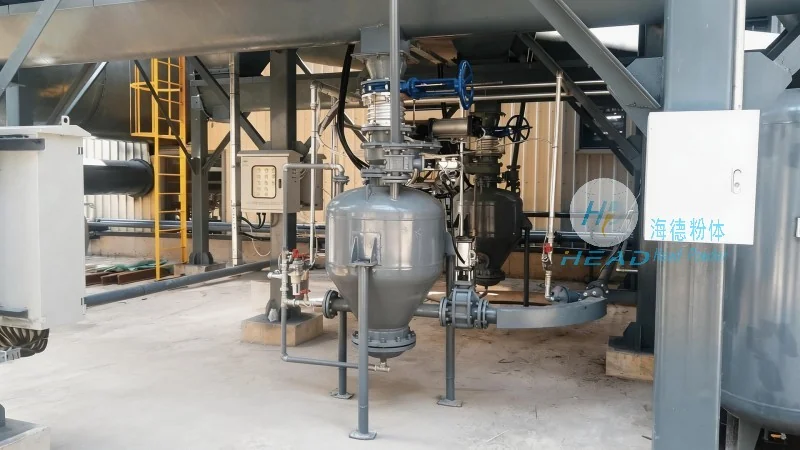
Components and Functionalities of the Pneumatic Conveying Equipment
The pneumatic conveying system for masterbatch granules consists of several key components, each playing a vital role in the overall operation. The primary components include the material feed hopper, which stores and feeds the granules into the system; the conveying line, which transports the material using air or gas; and the discharge hopper or collection tank, where the material is deposited. The system may also incorporate additional components such as filters, cyclones, or rotary valves to enhance performance and ensure material purity. The material feed hopper is designed with a controlled discharge mechanism to maintain a consistent flow rate, preventing overloading or underloading of the conveying line. The conveying line itself is typically made of durable materials like stainless steel or high-grade plastic to withstand the abrasive nature of masterbatch granules and resist corrosion. The discharge hopper is equipped with a smooth outlet to minimize material buildup and facilitate easy collection.
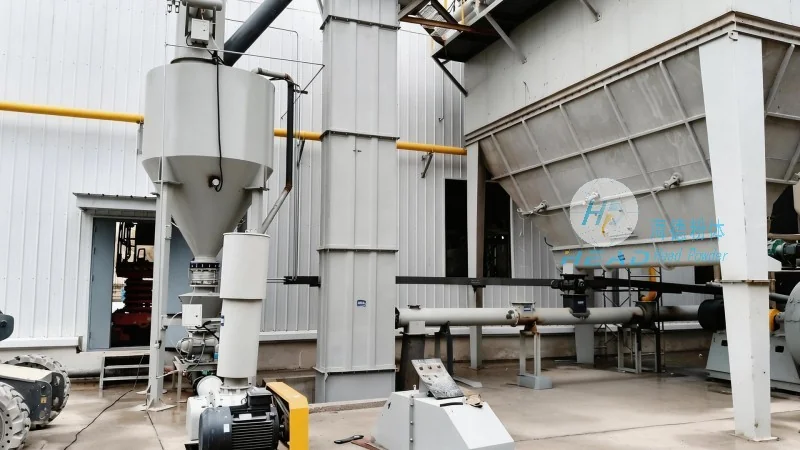
Advantages of Pneumatic Conveying for Masterbatch Granules
Implementing a pneumatic conveying system for masterbatch granules offers numerous advantages over traditional methods. One of the most significant benefits is the elimination of dust and contamination, as the material is transported in a sealed system. This ensures that the masterbatch granules remain clean and free from external particles, which is crucial for maintaining product quality in downstream applications. Additionally, pneumatic conveying systems provide high flexibility, allowing for easy integration with existing production lines and the ability to transport materials over long distances without the need for multiple transfer points. The systems also offer improved safety, as there are no moving parts in direct contact with the material, reducing the risk of mechanical failure or injury. Furthermore, the energy efficiency of modern pneumatic conveying systems has improved significantly, with optimized designs reducing energy consumption while maintaining high throughput rates.
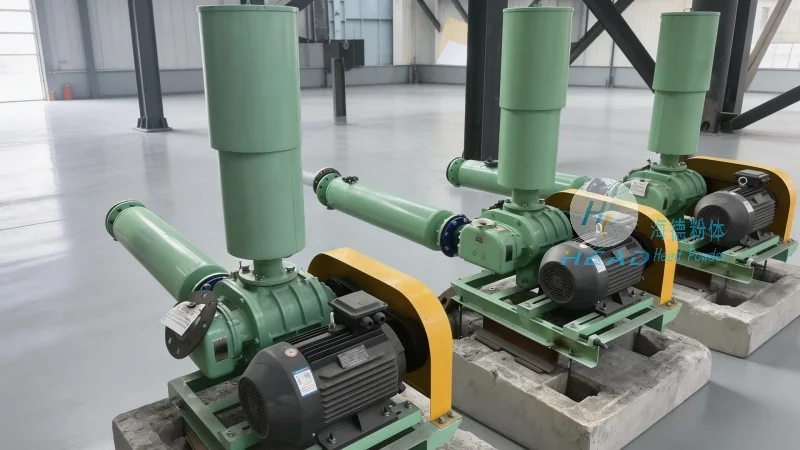
Customization and Application Flexibility
HeadPowder understands that each industrial application has unique requirements, and therefore, offers customized pneumatic conveying solutions tailored to specific masterbatch granule handling needs. The company's engineering team works closely with clients to assess their operational parameters, such as production volume, material characteristics, and space constraints, to design a system that meets their exact specifications. Customization options may include different conveying line configurations, variable speed drives, and integrated control systems that allow for precise control over the conveying process. This flexibility ensures that the equipment can adapt to various production scenarios, from small-scale laboratory applications to large-scale industrial operations. The ability to customize the system also enhances its longevity and adaptability, as it can be adjusted to accommodate changes in production requirements or material types over time.
Conclusion and Company Overview
Designing an efficient and reliable pneumatic conveying system for masterbatch granules requires a deep understanding of material properties, engineering principles, and operational requirements. HeadPowder, with its expertise and commitment to quality, provides comprehensive solutions that address the specific needs of its clients. Based in Shandong, China, the company leverages advanced technology and rigorous testing to develop systems that enhance productivity, ensure product quality, and promote safe and sustainable operations. By focusing on customization and innovation, HeadPowder continues to be a trusted partner in the masterbatch industry, delivering equipment that meets the highest standards of performance and reliability.




