When it comes to handling and transporting rice flour, selecting the right conveying method is crucial for efficiency and product integrity. Various techniques are employed in the industry, each with its own advantages and applications. This article explores the common methods used for rice flour conveying, providing insights into the technologies that ensure smooth and reliable material movement.
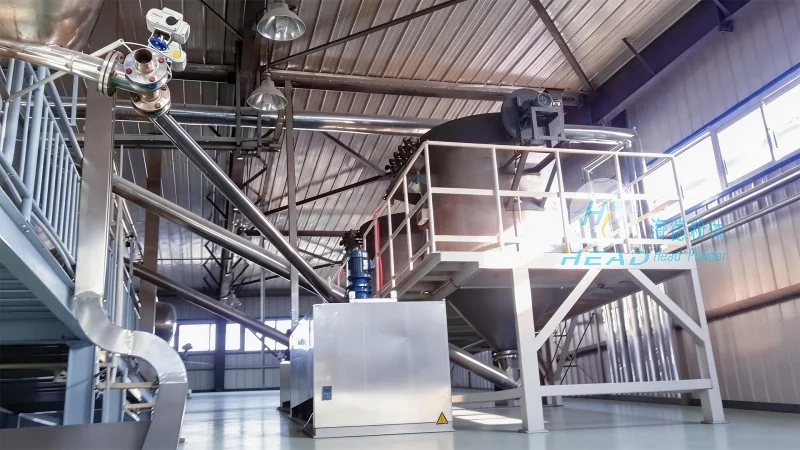
1. Screw Conveyors for Rice Flour
Screw conveyors, also known as auger conveyors, are among the most widely used equipment for transporting rice flour. These systems consist of a rotating helical screw blade inside a cylindrical tube. As the screw rotates, it pushes the rice flour forward, making it an ideal choice for vertical or horizontal transport. The design of screw conveyors allows for gentle handling of the flour, minimizing the risk of particle breakage or degradation. This makes them suitable for both dry and slightly moist rice flour, ensuring that the product's quality is maintained throughout the conveying process. The compact design of screw conveyors also makes them space-efficient, which is beneficial for facilities with limited floor space. Additionally, these systems can be easily integrated with other processing equipment, such as mixers or packaging machines, creating a seamless workflow in rice flour production lines.
2. Belt Conveyors for Rice Flour
Belt conveyors are another common method for rice flour conveying, particularly in large-scale operations. These systems utilize a continuous belt that moves over rollers or a flat surface to transport the rice flour. The belt can be made from various materials, including food-grade rubber or plastic, to ensure compatibility with the product. Belt conveyors are highly effective for transporting large volumes of rice flour over long distances. They are often used in combination with other equipment, such as elevators or sorters, to create a comprehensive material handling system. The gentle movement of the belt minimizes product damage, making it suitable for delicate rice flour that requires careful handling. Furthermore, belt conveyors can be equipped with sensors and controls to monitor the flow rate and prevent overloading, enhancing operational safety and efficiency. This makes them a reliable choice for industries that demand consistent and high-volume rice flour transport.
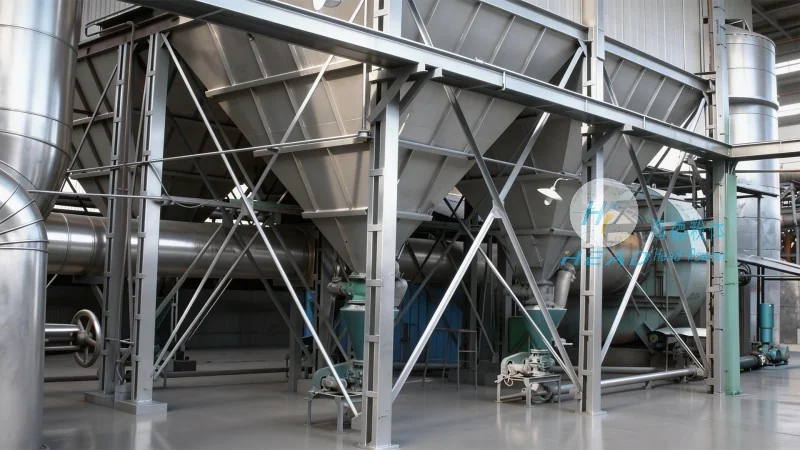
3. Pneumatic Conveying Systems for Rice Flour
Pneumatic conveying systems use air or gas to transport rice flour through a pipeline. These systems are particularly effective for transporting fine powders like rice flour, as they can move the material without the need for mechanical contact. There are two main types of pneumatic conveying: pressure and vacuum systems. Pressure systems use compressed air to push the rice flour through the pipeline, while vacuum systems use a vacuum to draw the material in. Pneumatic conveying offers several advantages, including the ability to transport rice flour over long distances and through multiple levels without the need for intermediate transfer points. This reduces the risk of contamination and product loss. Additionally, these systems are highly flexible, allowing for easy reconfiguration of the conveying path as production needs change. However, pneumatic conveying requires careful control of air pressure and flow rates to prevent product degradation or blockages. Proper maintenance and cleaning of the pipeline are also essential to ensure consistent performance and prevent clogging.
4. Bucket Elevators for Rice Flour
Bucket elevators are vertical conveying systems that use buckets attached to a chain or belt to transport rice flour from lower to higher levels. These systems are commonly used in rice flour processing plants to move the material from storage silos or grinding equipment to upper floors or packaging areas. The buckets are filled with rice flour as they move up the elevator, and then emptied at the top. Bucket elevators are highly efficient for vertical transport, with the ability to handle large volumes of material at high speeds. They are also relatively simple in design, making them durable and low-maintenance. The enclosed design of bucket elevators helps to prevent dust and contamination, ensuring that the rice flour remains clean and free from external particles. This is particularly important for food-grade rice flour, where hygiene is a top priority. Additionally, bucket elevators can be equipped with safety features, such as emergency stop buttons and overload protection, to enhance operational safety.
5. Vibrating Conveyors for Rice Flour
Vibrating conveyors use vibrations to move rice flour along a trough. These systems consist of a conveyor bed that is mounted on springs and driven by an electric motor. The vibrations cause the rice flour to move forward, allowing for both horizontal and inclined transport. Vibrating conveyors are particularly effective for handling bulk materials like rice flour, as they can move the material without the need for mechanical components that could cause wear and tear. The design of vibrating conveyors allows for gentle handling of the product, minimizing the risk of particle breakage or degradation. This makes them suitable for delicate rice flour that requires careful transport. Additionally, vibrating conveyors can be easily adjusted to control the speed and direction of the material flow, providing flexibility in the conveying process. They are often used in combination with other equipment, such as screens or classifiers, to separate different particle sizes or remove impurities from the rice flour. This enhances the quality of the final product and ensures that only the desired rice flour is conveyed to the next stage of processing.
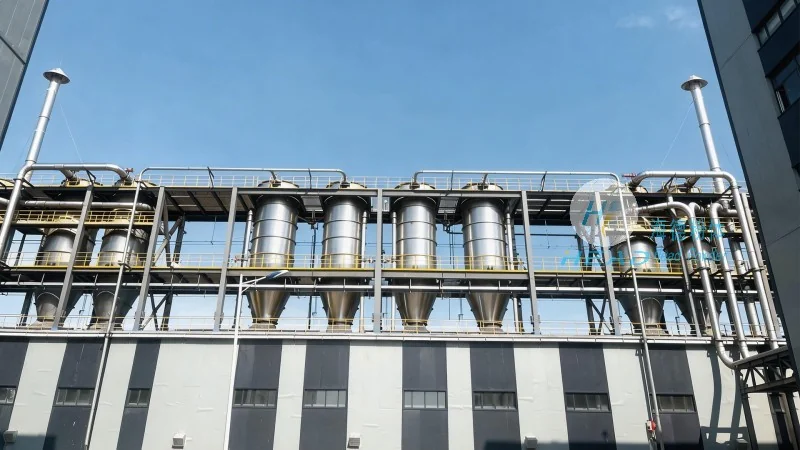
6. Combination Conveying Systems for Rice Flour
In many rice flour processing facilities, a combination of conveying methods is used to achieve optimal efficiency. For example, a screw conveyor might be used to transport rice flour from a storage bin to a grinding machine, followed by a belt conveyor to move the ground flour to a packaging area. Pneumatic conveying might be used to transport the flour from the packaging area to a storage silo. This integrated approach allows for seamless material flow and minimizes the need for manual handling. Combination systems are particularly beneficial for large-scale operations, where the volume of rice flour being transported is high and the need for speed and reliability is critical. By combining different conveying technologies, facilities can tailor their material handling systems to meet specific production requirements, ensuring that the rice flour is transported efficiently and with minimal risk of damage or contamination.
When selecting a conveying method for rice flour, it is essential to consider factors such as the volume of material to be transported, the distance and height of the transport, the required speed, and the condition of the rice flour (e.g., dry, moist, or fine). Each method has its own strengths and limitations, and the choice of system should be based on the specific needs of the operation. Proper maintenance and regular inspection of the conveying equipment are also crucial to ensure consistent performance and prevent downtime. By choosing the right conveying method and maintaining the equipment properly, rice flour processing facilities can improve their operational efficiency, reduce costs, and maintain the quality of their product.




