When it comes to the efficient and reliable transport of yeast powder, selecting the right conveying method is crucial for maintaining product quality and operational efficiency. Shandong HeadPowder Engineering Co., Ltd., a leading manufacturer in the field, specializes in providing tailored solutions for various conveying needs. This article explores the common methods used for yeast powder conveying, highlighting the key considerations and applications for each approach.
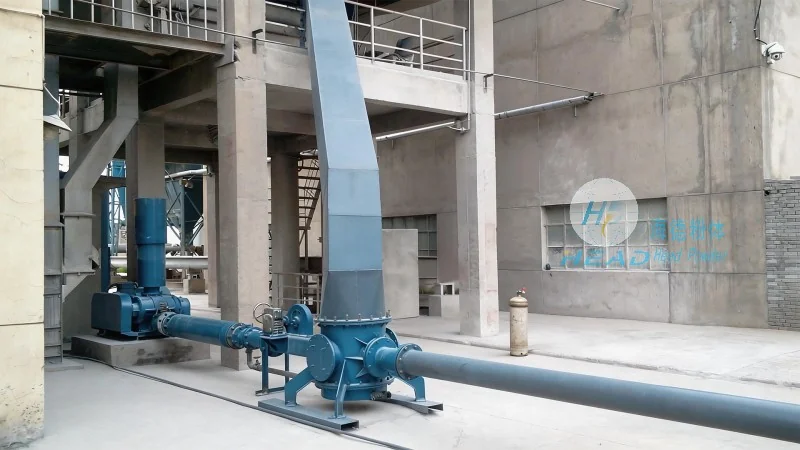
Introduction to Common Conveying Methods for Yeast Powder
Yeast powder, a vital ingredient in many food and beverage applications, requires specialized handling due to its fine particle size and hygroscopic nature. Proper conveying methods not only ensure the safe and efficient movement of the powder but also help preserve its quality and prevent contamination. The following sections detail the most common conveying methods employed by Shandong HeadPowder Engineering Co., Ltd. and other industry leaders.
1. Screw Conveyors for Yeast Powder Transport
Screw conveyors, also known as auger conveyors, are widely used for the horizontal or slightly inclined transport of yeast powder. These systems consist of a rotating helical screw blade inside a cylindrical tube, which moves the powder from the inlet to the outlet. The design of the screw, including its pitch and material, is critical for preventing product degradation and ensuring smooth flow. For yeast powder, stainless steel or food-grade plastic screws are commonly used to maintain hygiene and prevent contamination. The screw conveyor's ability to handle fine powders without clogging makes it an ideal choice for many applications. Shandong HeadPowder Engineering Co., Ltd. offers customized screw conveyor solutions that can be adjusted for different powder types and processing requirements, ensuring optimal performance.
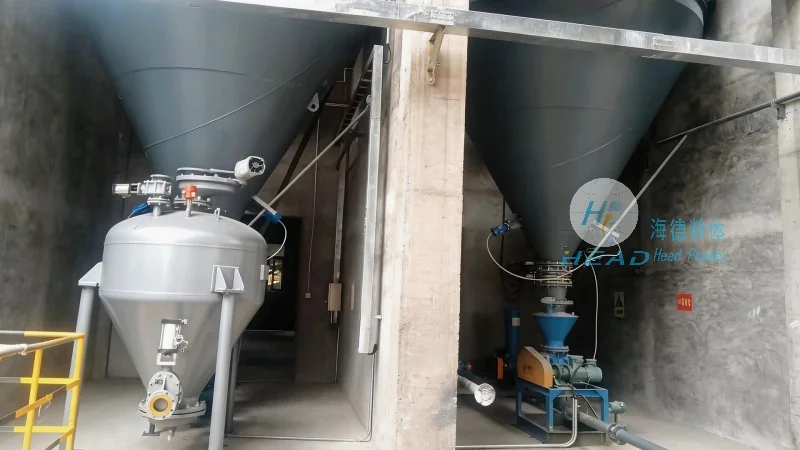
2. Pneumatic Conveying Systems for Fine Powders
Pneumatic conveying systems utilize air or other gases to transport yeast powder through a pipeline. This method is particularly effective for fine powders like yeast, as it minimizes product degradation and allows for long-distance transport. There are two main types of pneumatic conveying: pressure and vacuum systems. Pressure systems use compressed air to push the powder through the pipeline, while vacuum systems use a vacuum to draw the powder from the source. The choice between the two depends on factors such as the distance to be covered and the required flow rate. Pneumatic conveying is often preferred for applications where dust control and product cleanliness are paramount. Shandong HeadPowder Engineering Co., Ltd. designs pneumatic conveying systems with advanced control mechanisms to ensure consistent flow and prevent material buildup in the pipeline.
3. Belt Conveyors for Bulk Yeast Powder Handling
Belt conveyors are commonly used for the bulk handling of yeast powder, especially in large-scale production facilities. These systems consist of a continuous belt that moves over rollers or pulleys, transporting the powder from one location to another. Belt conveyors are highly efficient for horizontal and slight incline transport and can handle large volumes of material. The design of the belt, including its material and thickness, is crucial for preventing powder spillage and maintaining product integrity. For yeast powder, belts made from food-grade materials are used to ensure hygiene and prevent contamination. Shandong HeadPowder Engineering Co., Ltd. provides customized belt conveyor solutions that can be integrated with other processing equipment, enhancing overall operational efficiency.
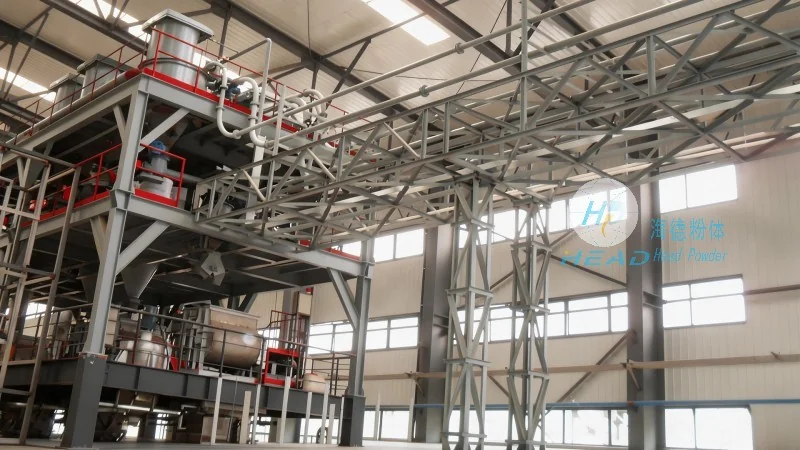
4. Bucket Elevators for Vertical Transport of Yeast Powder
Bucket elevators are used for vertical transport of yeast powder, particularly in applications where the powder needs to be lifted to a higher level. These systems consist of a series of buckets attached to a chain or belt that moves vertically, transporting the powder from the lower to the upper level. The design of the buckets and the speed of the elevator are critical for preventing product degradation and ensuring smooth flow. Bucket elevators are often used in combination with other conveying systems to create a complete material handling solution. Shandong HeadPowder Engineering Co., Ltd. offers bucket elevator systems with adjustable speeds and bucket designs to accommodate different powder characteristics and processing requirements.
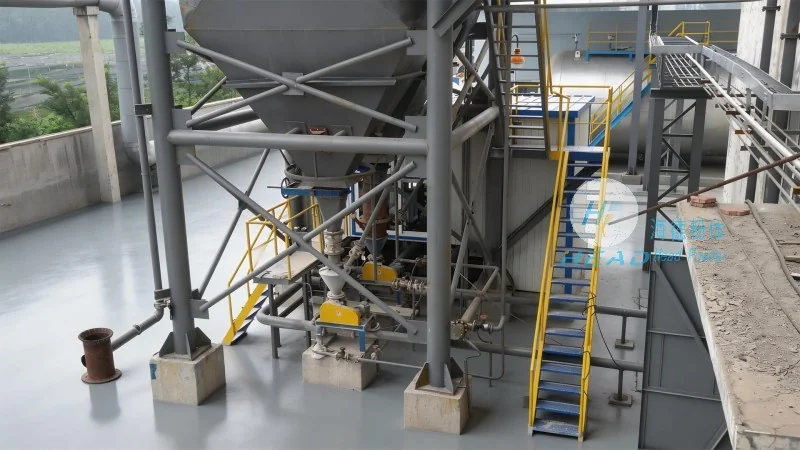
5. Air-Lift Conveyors for Gentle Handling of Yeast Powder
Air-lift conveyors, also known as pneumatic lifters, are used for the gentle transport of yeast powder, especially when the powder is sensitive to impact or abrasion. These systems use a combination of air and gravity to lift the powder vertically. The powder is introduced into the top of the air-lift, where it is mixed with air and then carried down by the flow of air. The air-lift's design, including its diameter and length, is optimized to minimize product degradation and ensure efficient transport. Air-lift conveyors are often used in applications where the powder needs to be lifted to a moderate height and where dust control is important. Shandong HeadPowder Engineering Co., Ltd. designs air-lift systems with advanced air control mechanisms to ensure consistent flow and prevent material buildup.
Conclusion: Choosing the Right Conveying Method for Yeast Powder
Choosing the right conveying method for yeast powder is essential for maintaining product quality, ensuring operational efficiency, and meeting industry standards. Shandong HeadPowder Engineering Co., Ltd. specializes in providing customized conveying solutions that address the unique needs of each application. By considering factors such as powder characteristics, transport distance, and processing requirements, businesses can select the most suitable conveying method for their yeast powder handling needs. Whether using screw conveyors, pneumatic systems, belt conveyors, bucket elevators, or air-lift conveyors, Shandong HeadPowder Engineering Co., Ltd. offers reliable and efficient solutions that help businesses optimize their material handling processes.




