Grain pneumatic conveying is a critical technology in the agricultural and food processing industries, enabling the efficient and safe transport of bulk materials like grains, seeds, and powders. This method utilizes air flow to move materials through a system of pipes and equipment, offering advantages such as reduced contamination, improved hygiene, and the ability to handle materials in enclosed environments. Understanding the principles and classification of these systems is essential for selecting the most suitable solution for specific applications.
Working Principles of Grain Pneumatic Conveying Systems
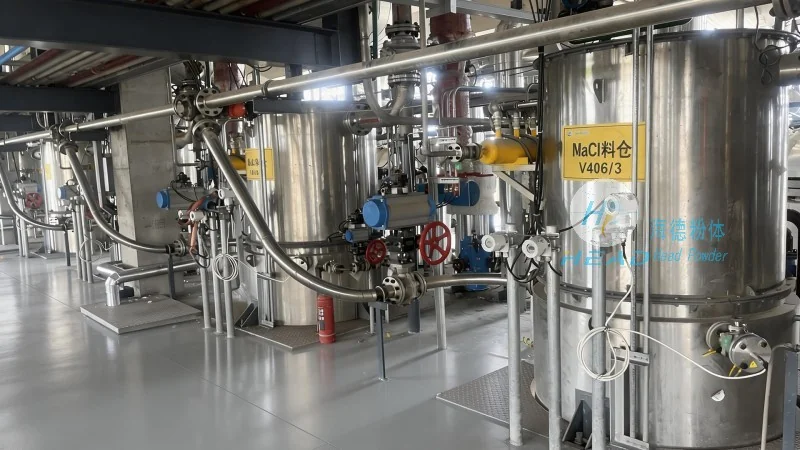
The core of grain pneumatic conveying systems lies in the use of air as the conveying medium. The process typically involves creating a pressure differential or utilizing vacuum to move materials. In pressure systems, air is compressed and introduced into the conveying line, pushing the material forward. In vacuum systems, a vacuum is created at the receiving end, drawing material from the source. The system includes components such as a hopper, feeder, air compressor or vacuum pump, and conveying pipes. The feeder ensures a consistent flow of material into the system, while the air flow controls the speed and direction of the material movement. Proper design of these components is crucial for maintaining efficiency and preventing material degradation or blockages.
Classification of Grain Pneumatic Conveying Systems
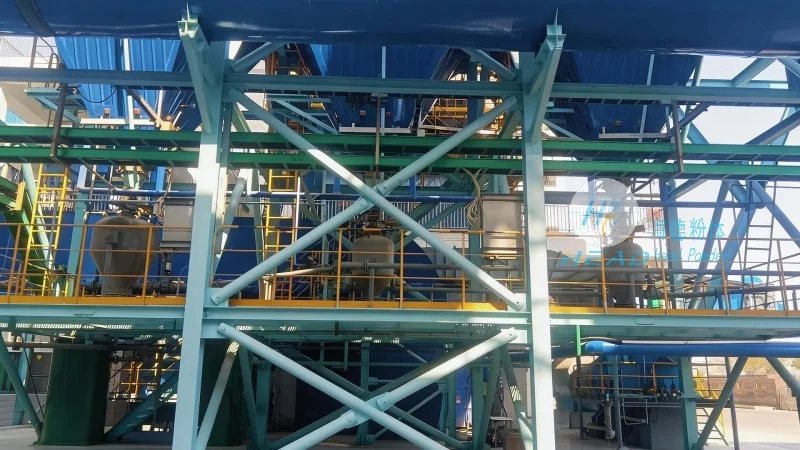
Grain pneumatic conveying systems are broadly classified into two main types: pressure and vacuum systems. Pressure systems are commonly used for long-distance or high-capacity transport, as they can handle larger volumes of material with higher pressure. Vacuum systems, on the other hand, are ideal for short-distance or gentle handling, as they use lower pressure and are less likely to cause material damage. Within these categories, subtypes include dilute phase and dense phase systems. Dilute phase systems use low air-to-material ratios, allowing for faster movement but requiring larger pipes. Dense phase systems use higher air-to-material ratios, resulting in slower but more controlled transport, which is beneficial for delicate or sensitive materials. The choice between these classifications depends on factors such as material characteristics, distance, and required handling speed.
Applications of Grain Pneumatic Conveying in the Industry
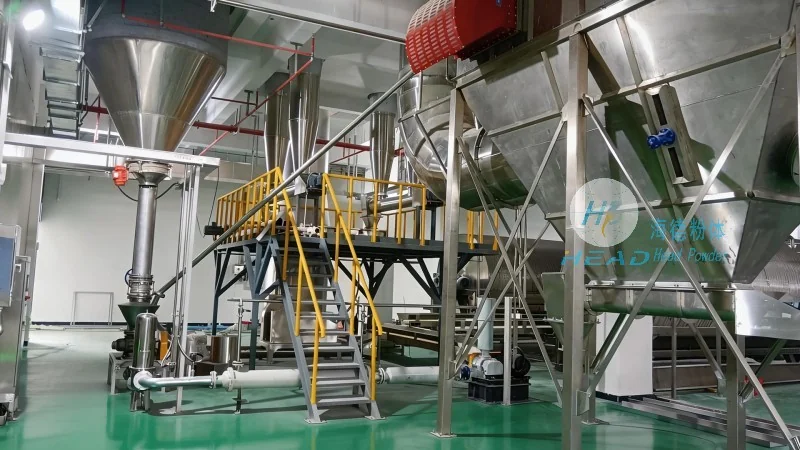
Grain pneumatic conveying systems find extensive applications across various sectors. In the agricultural sector, they are used for transporting harvested grains from fields to storage facilities or processing plants. This method minimizes the risk of spoilage and contamination during transport. In food processing, these systems are employed in the handling of raw materials like wheat, corn, and rice, ensuring that the materials remain clean and free from foreign objects. The technology is also utilized in the pharmaceutical and chemical industries for handling powders and granules, where hygiene and product integrity are paramount. Additionally, in industrial settings, grain pneumatic conveying can be integrated into larger production lines, facilitating the seamless transfer of materials between different processing stages. The versatility of these systems makes them suitable for a wide range of applications, from small-scale farms to large-scale industrial operations.
Key Considerations for Implementing Grain Pneumatic Conveying Systems
When implementing a grain pneumatic conveying system, several factors must be considered to ensure optimal performance and longevity. Material properties, such as particle size, density, and moisture content, significantly impact the system's design and operation. For example, materials with high moisture content may require additional drying or conditioning before being conveyed. The system's capacity and the required conveying distance are critical parameters that influence the choice of equipment, including the size of the pipes and the power of the air compressor. Maintenance is another key aspect, as regular cleaning and inspection of components are necessary to prevent blockages and ensure consistent performance. Proper training of operators on the system's operation and safety protocols is also essential to avoid accidents and maintain efficiency.
About Shandong HeadPowder Engineering Co., Ltd.
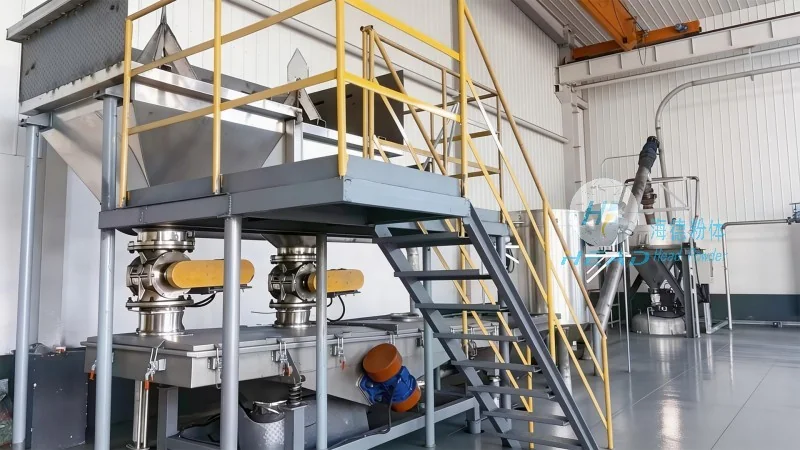
Shandong HeadPowder Engineering Co., Ltd., commonly known as HeadPowder, is a leading manufacturer and supplier of grain pneumatic conveying systems. With its headquarters in Shandong, China, the company specializes in designing, manufacturing, and installing customized conveying solutions tailored to the specific needs of its clients. HeadPowder's team of experts leverages advanced engineering principles and years of industry experience to develop high-quality systems that meet international standards. The company's commitment to innovation and customer satisfaction has made it a trusted partner in the agricultural and food processing sectors. By combining cutting-edge technology with reliable service, HeadPowder ensures that its clients receive efficient and durable grain conveying solutions that enhance productivity and safety.




