Understanding the principles and applications of air-pneumatic conveying systems is crucial for efficient handling of purified fly ash in industrial settings. This article provides an in-depth overview of the technology, its classification, and practical applications, with a focus on the expertise of Shandong HeadPowder Engineering Co., Ltd., a leading provider in the field.
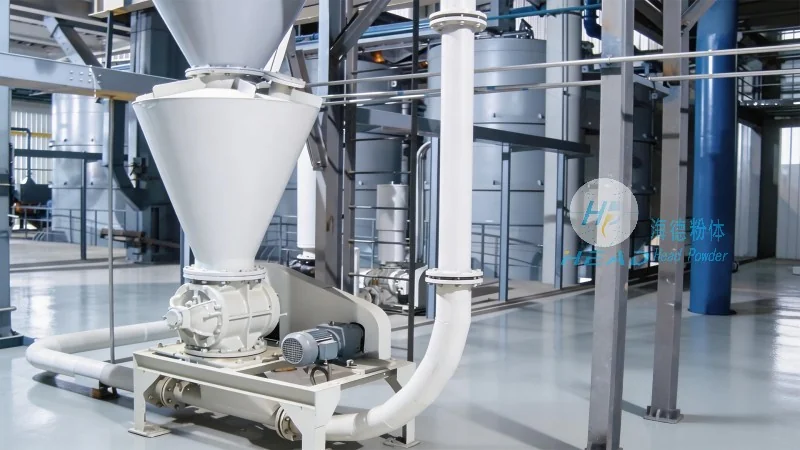
Principles of Air-Pneumatic Conveying for Fly Ash Handling
At its core, air-pneumatic conveying uses compressed air or vacuum to transport bulk materials like purified fly ash through a pipeline. The process involves several key components, including a material feed hopper, a conveying line, and a discharge unit. The system operates by creating a pressure differential that propels the material along the pipeline. There are two primary types of air-pneumatic conveying: positive pressure and negative pressure systems.
Classification of Air-Pneumatic Conveying Systems
Positive pressure systems, also known as pressure or blow-through systems, use compressed air to push the material through the pipeline. These systems are ideal for long-distance or high-capacity applications and are commonly used in fly ash handling due to their ability to handle abrasive materials and maintain consistent flow rates. Negative pressure systems, or vacuum systems, use a vacuum to draw material into the pipeline. These are suitable for shorter distances and applications where dust control is a priority, as the system draws material in rather than expelling it.
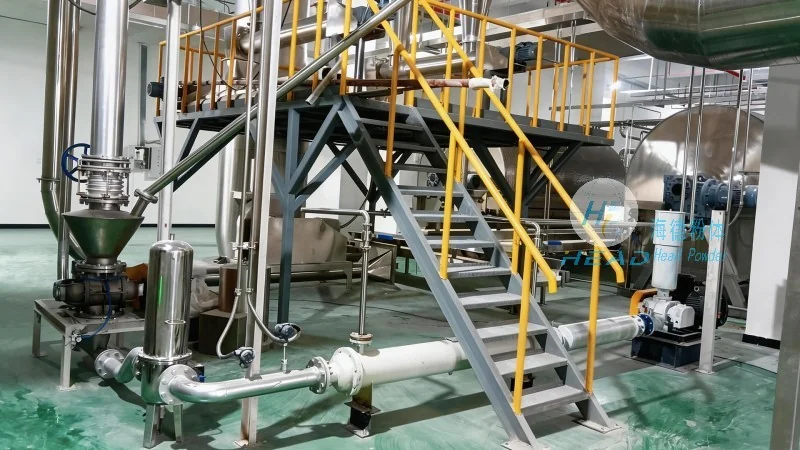
Applications of Air-Pneumatic Conveying in Fly Ash Processing
Shandong HeadPowder Engineering Co., Ltd., operating under the brand name headpowder, specializes in designing and implementing air-pneumatic conveying solutions tailored to the unique requirements of fly ash processing facilities. The company's expertise lies in optimizing material flow, ensuring minimal degradation of the fly ash, and integrating the conveying system with existing plant infrastructure. For instance, in power plants, air-pneumatic conveying is used to transport purified fly ash from the boiler to storage silos or for further processing, such as cement production or landfills.
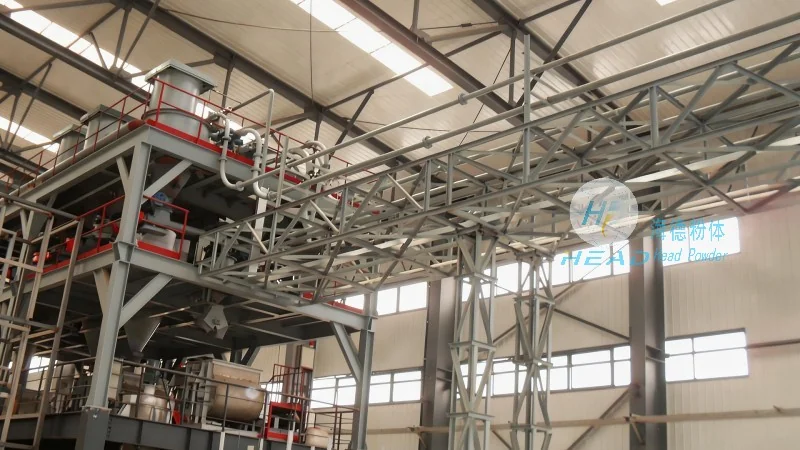
Headpowder, based in Shandong, China, leverages advanced engineering and material science to develop customized air-pneumatic conveying systems. The company's team of engineers and technicians work closely with clients to assess their specific needs, from material characteristics to operational constraints, ensuring that the final solution is both efficient and cost-effective. By focusing on the technical aspects of air-pneumatic conveying, headpowder helps clients achieve higher throughput, reduced maintenance costs, and improved safety in their fly ash handling operations.
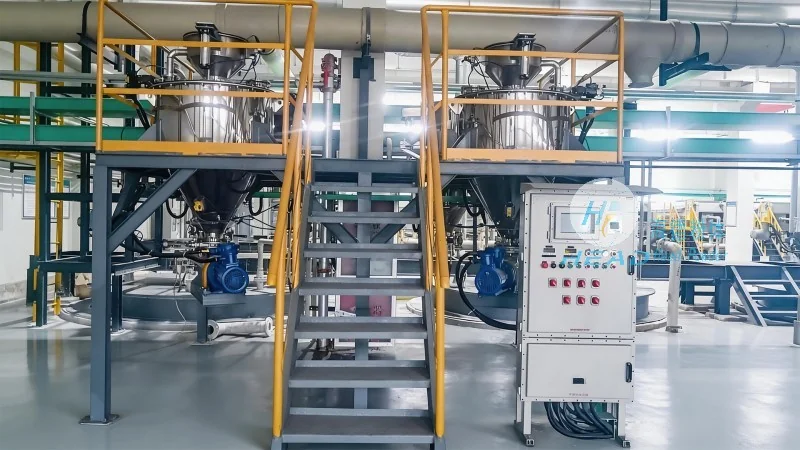
Key Advantages of Air-Pneumatic Conveying for Purified Fly Ash
Compared to traditional methods like belt conveyors or bucket elevators, air-pneumatic conveying offers several advantages in the handling of purified fly ash. These include reduced material degradation due to minimal contact with equipment, lower risk of dust contamination, and the ability to handle abrasive or sticky materials without clogging. Additionally, the system is more flexible in terms of layout, allowing for vertical, horizontal, or mixed-direction transport, which is particularly beneficial in confined spaces or when integrating with existing plant structures.
In conclusion, air-pneumatic conveying is a highly effective and versatile technology for the handling of purified fly ash. By understanding the principles and classification of these systems, as well as the practical applications, industries can optimize their material transport processes. Shandong HeadPowder Engineering Co., Ltd., with its expertise and commitment to quality, provides reliable solutions that meet the demands of modern fly ash processing, ensuring efficient, safe, and sustainable operations.




