When it comes to transporting aluminum hydroxide powder, the choice between positive pressure and negative pressure pneumatic conveying systems is a critical decision for many industrial applications. Both methods leverage air to move material, but they operate on fundamentally different principles, each with its own set of advantages and limitations. Understanding these differences is essential for selecting the most efficient and cost-effective solution for your specific needs.
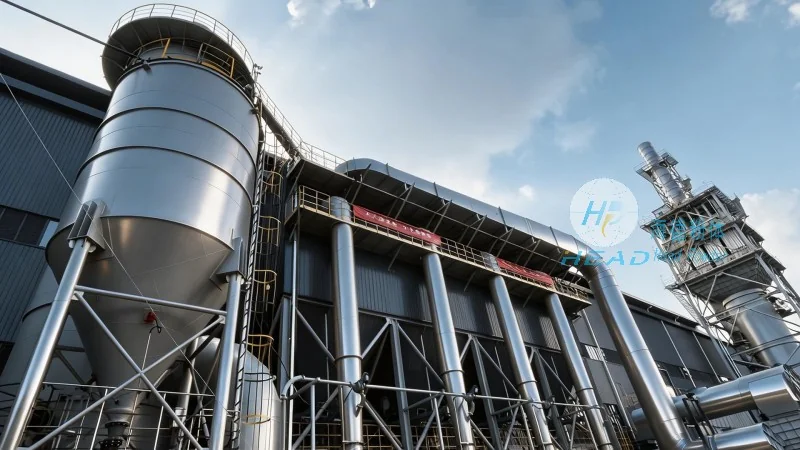
Positive Pressure Conveying: The Advantages and Applications
Positive pressure conveying systems operate by blowing air into the conveying line, creating a pressure higher than the ambient air. This method is particularly effective for transporting aluminum hydroxide powder over long distances or through complex piping networks. The primary benefits include the ability to handle abrasive or corrosive materials without excessive wear on equipment, as the material is carried in a dense, high-pressure stream. Additionally, positive pressure systems can handle a wide range of particle sizes and moisture content, making them versatile for various industrial processes. For Shandong HeadPowder Engineering Co., Ltd., this method is often recommended for applications requiring high throughput and reliability, such as in chemical manufacturing or pharmaceutical production.
Negative Pressure Conveying: The Characteristics and Use Cases
Negative pressure conveying, also known as suction conveying, works by creating a vacuum in the conveying line, drawing material into the system. This approach is ideal for applications where the material needs to be collected from multiple points or where the material is sensitive to pressure changes. The key advantages of negative pressure systems include lower energy consumption compared to positive pressure systems, as they rely on the vacuum to pull material rather than force it. However, they are generally more suitable for shorter distances and less complex layouts, as the vacuum can be compromised by blockages or leaks. For aluminum hydroxide powder, negative pressure conveying is often used in situations where the material is to be collected from a hopper or silo and transported to a processing unit, minimizing the risk of dust emissions and maintaining material integrity.
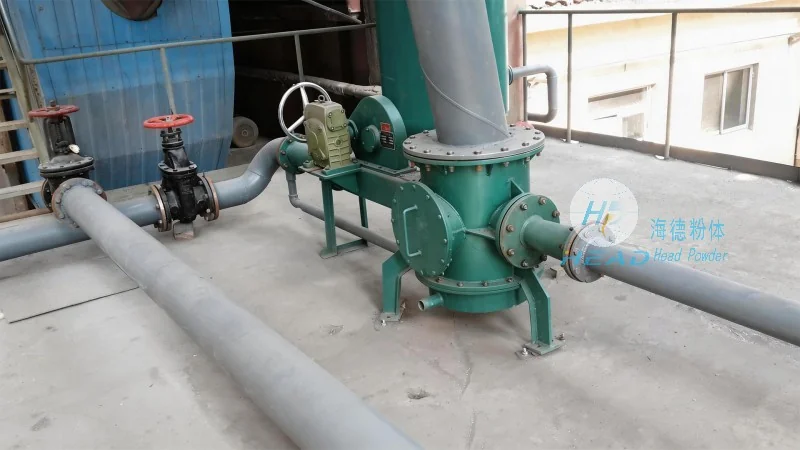
Comparative Analysis: Key Differences and Performance Metrics
When comparing positive and negative pressure conveying for aluminum hydroxide powder, several factors come into play. One of the most significant differences is the energy consumption; positive pressure systems typically require more power due to the need to maintain higher air pressure, while negative pressure systems are more energy-efficient. Another critical aspect is the material handling capacity. Positive pressure systems can handle larger volumes and more abrasive materials, making them suitable for high-demand operations. In contrast, negative pressure systems are better for handling fine powders or materials that are prone to caking, as the vacuum helps prevent material buildup in the line. Additionally, the cost of equipment and maintenance varies between the two methods. Positive pressure systems often involve more robust components, such as high-pressure blowers and durable piping, which can increase upfront costs but may reduce long-term maintenance expenses. Negative pressure systems, while generally less expensive to install, may require more frequent cleaning and maintenance to prevent clogs and ensure consistent performance.
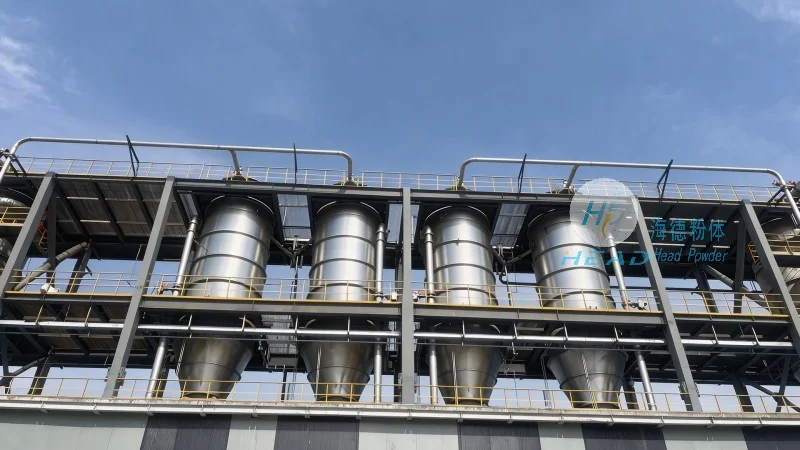
Factors to Consider When Choosing a Conveying System
Choosing between positive and negative pressure conveying for aluminum hydroxide powder involves evaluating several key factors. The first consideration is the distance and layout of the conveying system. For long distances or complex routes, positive pressure is often the better choice due to its ability to maintain material flow without significant pressure loss. Conversely, for shorter distances or simple, straight-line applications, negative pressure may suffice. The material properties of the aluminum hydroxide powder are also crucial. If the powder is abrasive or has a high moisture content, positive pressure systems may be more suitable to prevent wear and maintain material quality. However, if the powder is fine and prone to caking, negative pressure conveying can help prevent blockages by maintaining a consistent vacuum. The environmental and safety requirements of the application should also be taken into account. Positive pressure systems may generate more dust emissions, requiring additional filtration, while negative pressure systems can help minimize dust exposure by drawing material into the system. Finally, the budget and operational constraints of the facility play a role. Positive pressure systems may have higher initial costs but lower long-term energy costs, while negative pressure systems may be more affordable upfront but require more maintenance.
Conclusion: Selecting the Right Pneumatic Conveying Solution
Ultimately, the choice between positive and negative pressure conveying for aluminum hydroxide powder depends on the specific requirements of the application. Shandong HeadPowder Engineering Co., Ltd. offers expertise in designing and implementing both types of systems, ensuring that clients receive the most suitable solution for their needs. By carefully evaluating factors such as distance, material properties, energy efficiency, and cost, industrial facilities can optimize their material handling processes and improve overall operational efficiency. Whether you need to transport aluminum hydroxide powder over long distances or collect it from multiple points, understanding the differences between these two pneumatic conveying methods is essential for making an informed decision that enhances productivity and reduces operational costs.




