HeadPowder, a professional engineering company based in Shandong, China, specializes in providing comprehensive solutions for pneumatic conveying systems, particularly for ABS granules. This article focuses on the design calculation processes and equipment selection criteria essential for efficient and reliable ABS granule transportation.
Key Design Parameters and Calculations
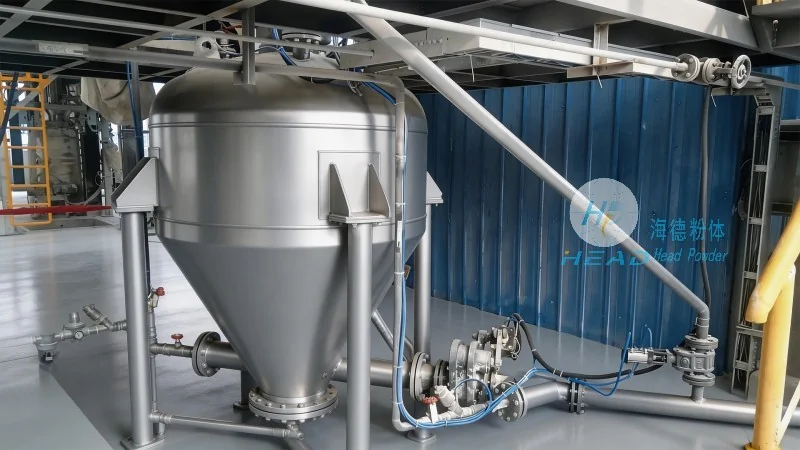
The design process begins with determining the required conveying capacity, which is typically expressed in terms of material flow rate (e.g., kg/h or ton/h). This is followed by the calculation of the necessary air velocity to achieve reliable particle suspension. The air velocity is often determined based on the Stokes number, which relates the particle size to the air velocity required for suspension. For ABS granules, typical air velocities range from 20 to 30 m/s in dilute phase systems, depending on the particle size and density. The pressure drop across the system is another critical parameter, calculated using the Darcy-Weisbach equation or empirical correlations for pneumatic conveying. Engineers at HeadPowder carefully evaluate the pressure drop to ensure the system can be powered by available compressed air sources without excessive energy consumption.
Equipment Selection for ABS Granule Conveying
Based on the design calculations, HeadPowder selects appropriate equipment components for the ABS granule pneumatic conveying system. The primary equipment includes the air compressor, which must provide sufficient pressure and flow rate to meet the system requirements. For ABS granules, a positive displacement compressor or a centrifugal compressor may be selected, depending on the system's capacity and pressure needs. The compressor is typically paired with a filter and dryer to ensure the air quality is suitable for conveying the granules, preventing contamination or degradation of the material.
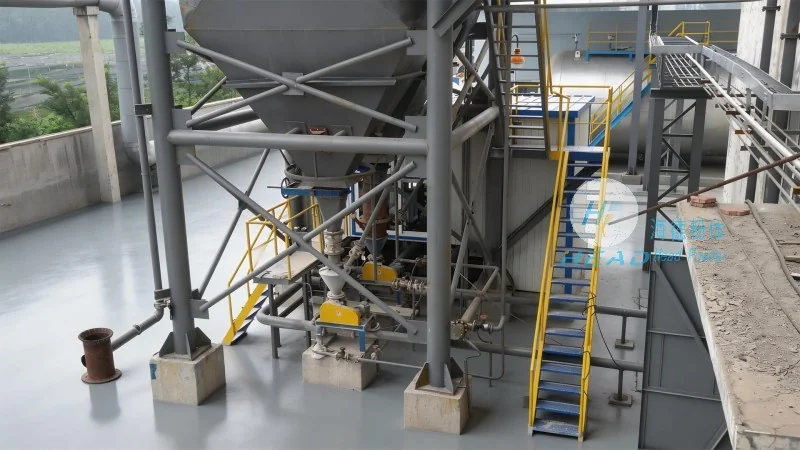
The conveying line itself consists of pipes, bends, and fittings designed to handle the ABS granules without causing excessive wear or blockages. HeadPowder recommends using stainless steel or corrosion-resistant materials for the pipeline, as ABS granules may contain moisture or chemicals that could affect the pipe integrity. The pipe diameter is calculated based on the air velocity and flow rate, ensuring that the system operates in the dilute phase to minimize pressure losses and maintain efficiency.
Control and Monitoring Systems
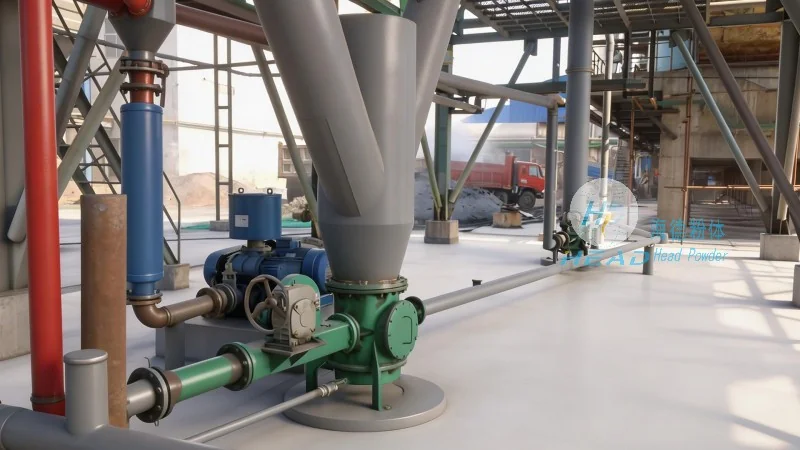
To ensure the reliable operation of the ABS granule pneumatic conveying system, HeadPowder integrates advanced control and monitoring systems. These systems include pressure sensors, flow meters, and level indicators that provide real-time data on the system's performance. The control system can adjust the air flow rate or pressure in response to changes in material feed rate or system conditions, preventing overloading or underloading of the equipment. Additionally, the monitoring systems help detect any anomalies, such as blockages or pressure spikes, allowing for timely maintenance and preventing system downtime.
Case Study: Successful ABS Granule Conveying Implementation
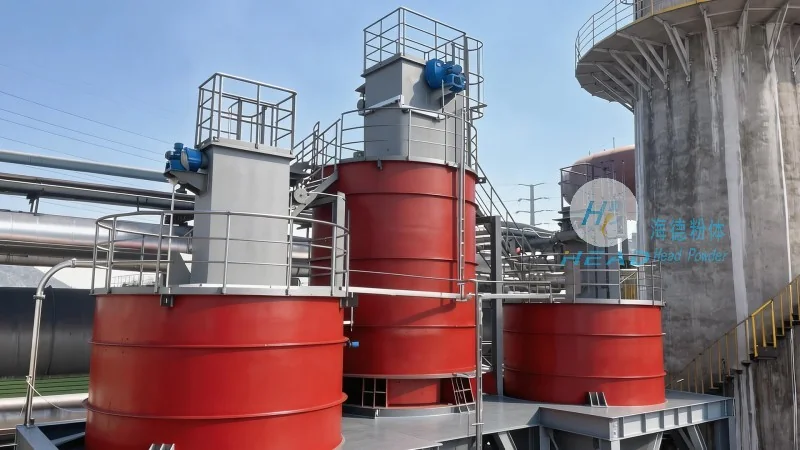
HeadPowder has successfully implemented numerous ABS granule pneumatic conveying systems for clients in various industries, including plastics manufacturing and chemical processing. One notable case involved a client in Shandong, China, who required a system to transport ABS granules from a storage silo to a processing plant over a distance of 50 meters. The design calculations indicated a required air velocity of 25 m/s and a pressure drop of 0.5 bar per meter of pipe. HeadPowder selected a positive displacement compressor with a capacity of 10 m³/min and a pressure of 6 bar, paired with stainless steel pipes of 100 mm diameter. The system operated efficiently, with minimal pressure losses and consistent material flow rates, meeting the client's production requirements. This case demonstrates the effectiveness of HeadPowder's design and equipment selection process for ABS granule pneumatic conveying.
Conclusion
Designing and selecting equipment for ABS granule pneumatic conveying requires a thorough understanding of the material properties and system requirements. HeadPowder, with its expertise in engineering and experience in the industry, provides comprehensive solutions that ensure efficient, reliable, and cost-effective transportation of ABS granules. By following the design calculations and equipment selection guidelines outlined in this article, manufacturers can optimize their pneumatic conveying systems and improve overall production efficiency.




