Polycrystalline silicon (poly-Si) is a critical material in the semiconductor industry, widely used in solar panels and other electronic components. Efficient and reliable material handling is essential for maintaining production efficiency and product quality. Pneumatic conveying systems offer a solution for transporting poly-Si powder and granules with precision and control. This article explores the design calculation principles and equipment selection process for such systems, tailored to the unique properties of polycrystalline silicon.
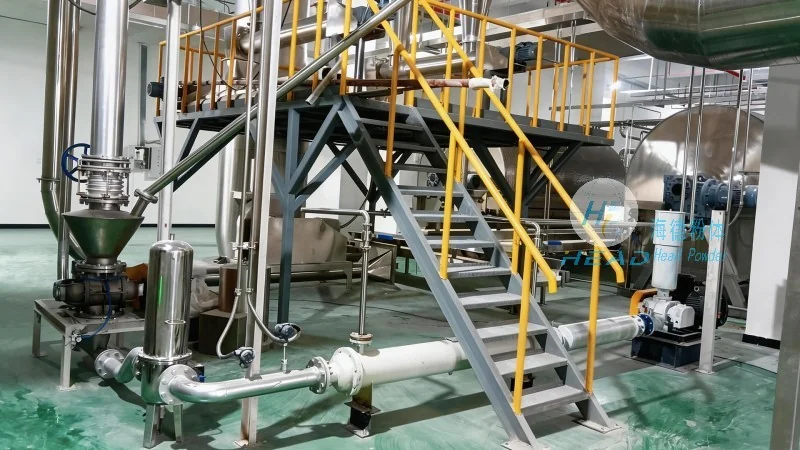
Key Design Considerations for Polycrystalline Silicon Pneumatic Conveying
The successful implementation of a polycrystalline silicon pneumatic conveying system requires careful consideration of several key factors. First, the material's physical properties, such as particle size distribution, density, and moisture content, significantly impact system performance. Polycrystalline silicon particles are typically fine and abrasive, necessitating equipment that can handle high wear resistance and maintain particle integrity. Second, the system's operating pressure and flow rate must be optimized to ensure minimal product degradation and energy efficiency. Third, the design must account for the material's potential for static charge accumulation, which can affect flow and cause handling issues. These considerations form the foundation for accurate design calculations and effective equipment selection.
Design Calculation Process for Pneumatic Conveying Systems
The design calculation process for polycrystalline silicon pneumatic conveying involves several steps to determine the optimal system configuration. The first step is to assess the material's flow characteristics, including its bulk density and angle of repose. These parameters help determine the required conveying velocity and pressure drop across the system. Next, the system's layout is analyzed, considering the distance, elevation changes, and number of transfer points. The calculation of the required air volume and pressure is critical, as it directly impacts energy consumption and system performance. The selection of components, such as the feeder, pipeline, and receiver, is based on these calculations to ensure compatibility with the material's properties and the system's operational requirements. The design process also includes simulations and testing to validate the calculations and ensure the system meets performance targets.
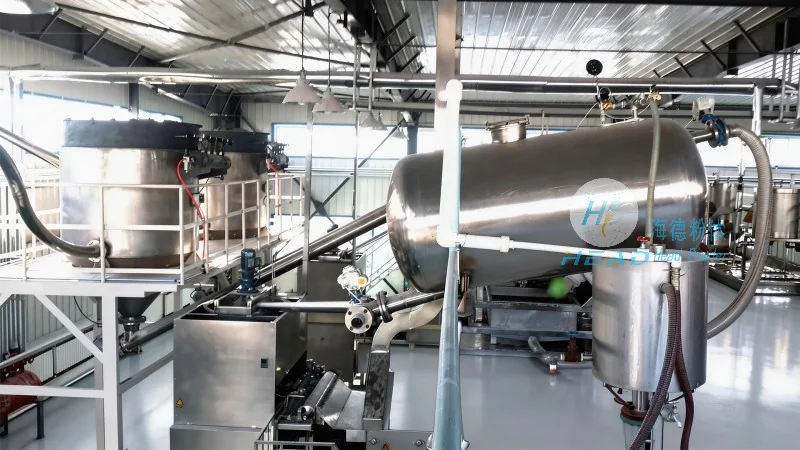
Equipment Selection for Polycrystalline Silicon Pneumatic Conveying
Choosing the right equipment for polycrystalline silicon pneumatic conveying is crucial for system reliability and efficiency. The feeder is a critical component, as it must handle fine, abrasive particles without clogging or damaging the material. Shandong HeadPowder Engineering Co., Ltd. offers specialized feeders designed for high wear resistance and precise flow control, ensuring consistent material delivery to the conveying line. The pipeline system must be constructed from materials that resist corrosion and abrasion, such as stainless steel or specialized alloys, to prevent degradation of the poly-Si particles. The selection of the conveying method—positive or negative pressure—depends on the system's layout and material characteristics. Positive pressure systems are often preferred for long-distance or vertical conveying, as they provide better control over particle flow and reduce the risk of material degradation. The receiver or discharge equipment must be designed to handle the material's potential for static charge and ensure smooth discharge into the next processing stage. Shandong HeadPowder Engineering Co., Ltd. provides comprehensive equipment solutions that address these challenges, ensuring reliable operation and minimal maintenance.
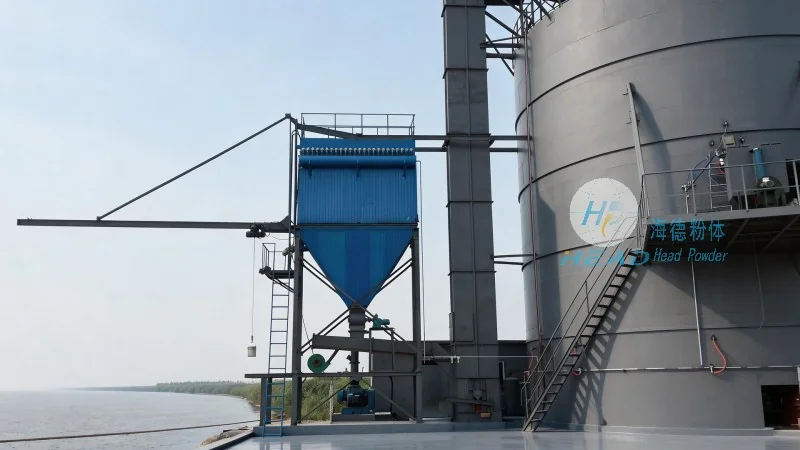
Case Study: Successful Implementation of Polycrystalline Silicon Pneumatic Conveying
Shandong HeadPowder Engineering Co., Ltd. has successfully implemented polycrystalline silicon pneumatic conveying systems for several clients in China. One case study involves a solar panel manufacturer that required a system to transport fine poly-Si powder from storage to the production line. The system was designed with a positive pressure conveying method, using high-quality stainless steel pipelines and specialized feeders. The design calculations ensured optimal air volume and pressure, minimizing energy consumption while maintaining material integrity. The system has been in operation for over two years, with minimal downtime and consistent performance. The client reported significant improvements in production efficiency and reduced material loss, validating the effectiveness of the design and equipment selection. This case study highlights the importance of proper design calculations and equipment selection in achieving successful pneumatic conveying for polycrystalline silicon.
Conclusion and Company Overview
Designing and selecting equipment for polycrystalline silicon pneumatic conveying is a complex process that requires expertise in material handling and system engineering. Shandong HeadPowder Engineering Co., Ltd., with its headquarters in Shandong, China, specializes in providing tailored solutions for such systems. The company's team of engineers uses advanced design calculations and equipment selection processes to ensure systems meet the unique requirements of polycrystalline silicon. By focusing on material properties, system layout, and operational efficiency, Shandong HeadPowder Engineering Co., Ltd. delivers reliable and efficient pneumatic conveying solutions that enhance production processes and product quality. For businesses in the semiconductor industry seeking to optimize their material handling, the expertise and solutions offered by Shandong HeadPowder Engineering Co., Ltd. are a valuable resource.




