HeadPowder, a leading manufacturer based in Shandong, China, specializes in the design and production of advanced pneumatic conveying systems tailored for handling magnesium oxide powder. This article provides an overview of the magnesium oxide powder pneumatic conveying equipment, detailing its structural components and operational principles to help users understand its functionality and application.
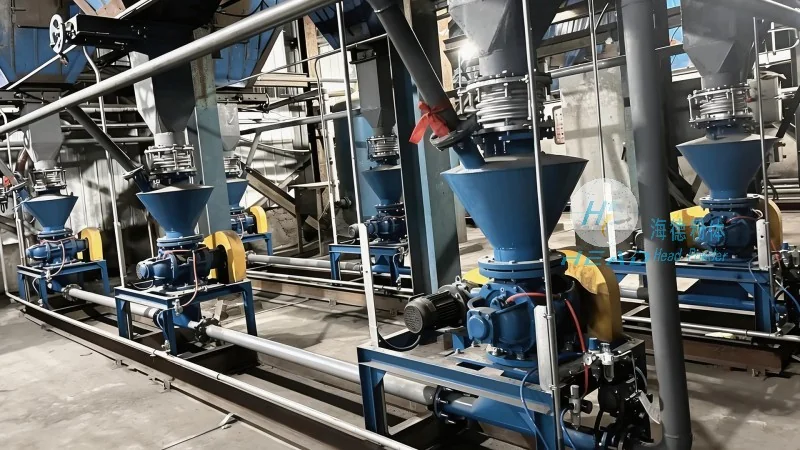
Company Profile and Background
HeadPowder Engineering Co., Ltd. is a professional enterprise dedicated to the research, development, and manufacturing of pneumatic conveying equipment. With a strong focus on innovation and quality, the company has established itself as a trusted provider in the industry. Headquartered in Shandong, China, HeadPowder leverages years of experience and technical expertise to deliver reliable solutions for material handling challenges, particularly in the processing of fine powders like magnesium oxide.
Overview of Magnesium Oxide Powder Pneumatic Conveying Equipment
The magnesium oxide powder pneumatic conveying system is a specialized device designed to transport magnesium oxide powder through an air stream, eliminating the need for mechanical components like belts or screws. This method is highly effective for handling powders that are prone to caking or require gentle handling to maintain particle integrity. The equipment operates by generating a high-velocity air flow that draws the powder particles into the conveying line, ensuring efficient and continuous material transport.
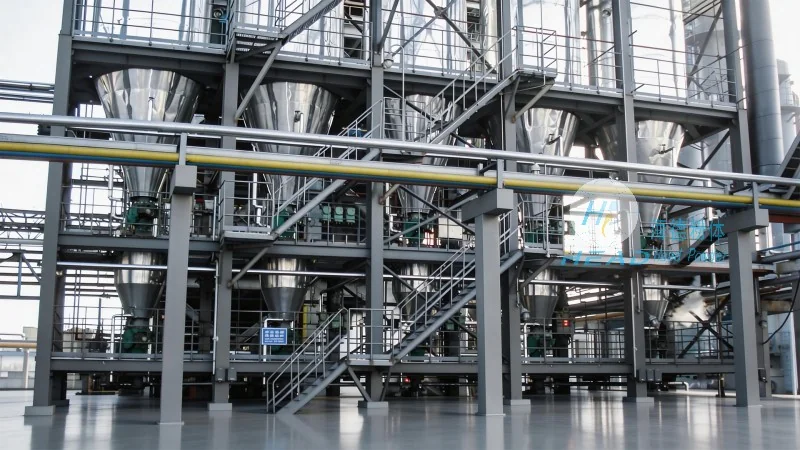
Key Structural Components and Their Functions
The magnesium oxide powder pneumatic conveying equipment consists of several critical components, each playing a vital role in the overall system performance. The main components include the hopper, feeder, air compressor, conveying line, and receiver. The hopper serves as the storage container for the magnesium oxide powder, providing a controlled feed to the system. The feeder, typically a rotary valve or a pressure feeder, regulates the flow of powder into the conveying line, ensuring a consistent and controlled discharge rate. The air compressor generates the necessary air pressure and flow rate to move the powder particles through the system. The conveying line, often made of stainless steel or other corrosion-resistant materials, transports the powder-air mixture from the feeder to the receiver. The receiver collects the conveyed powder and may include a dust collection system to ensure environmental compliance.
Operational Principles and Working Mechanism
The operation of the magnesium oxide powder pneumatic conveying system follows a straightforward yet efficient process. Initially, the magnesium oxide powder is stored in the hopper. The feeder then controls the powder discharge rate, feeding it into the conveying line. Simultaneously, the air compressor supplies compressed air to the system, creating a high-velocity air stream within the conveying line. As the air flows through the line, it entrains the powder particles, forming a dense mixture known as a slurry. This mixture is then transported to the receiver, where the air is separated from the powder, typically through a cyclone or a bag filter. The separated powder is collected in the receiver, while the air is either recirculated or discharged, depending on the system design. The entire process is automated, allowing for continuous operation with minimal human intervention.
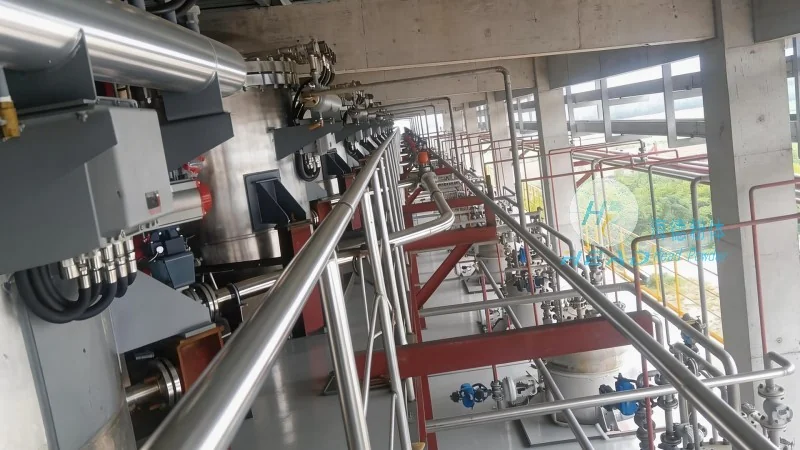
Advantages of Using Magnesium Oxide Powder Pneumatic Conveying Equipment
Implementing a pneumatic conveying system for magnesium oxide powder offers several advantages over traditional mechanical methods. Firstly, it eliminates the risk of material degradation due to friction or mechanical stress, preserving the quality and properties of the powder. Secondly, the system is highly efficient in terms of space utilization, as it requires less floor space compared to belt or screw conveyors. Thirdly, it provides a hygienic and clean environment, which is crucial for industries where powder contamination must be minimized. Additionally, the system can handle varying powder flow rates and can be easily integrated with other processing equipment, enhancing overall production flexibility.
Applications and Industries
Magnesium oxide powder pneumatic conveying equipment is widely used in various industries that rely on the handling of fine powders. These include the chemical industry, where magnesium oxide is used as a filler or a catalyst; the pharmaceutical industry, where it serves as an excipient or a raw material for drug formulations; and the construction industry, where it is used as a component in cement or concrete mixtures. The equipment's ability to handle delicate powders makes it suitable for applications where maintaining particle size and shape is critical.
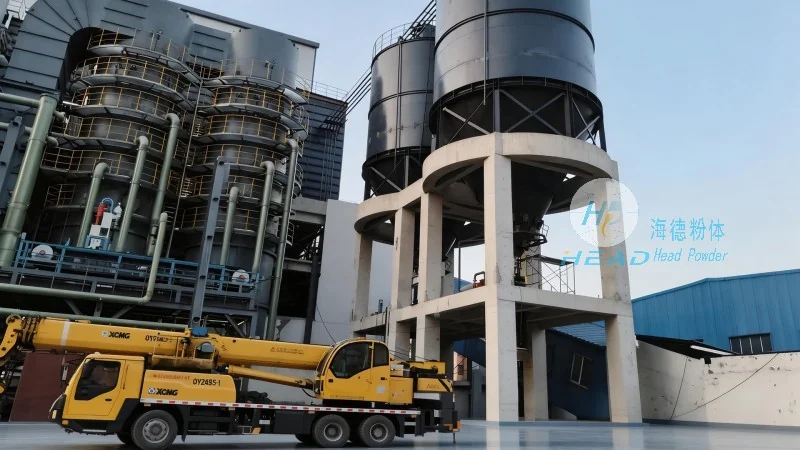
Maintenance and Operational Considerations
To ensure the longevity and optimal performance of the magnesium oxide powder pneumatic conveying equipment, regular maintenance is essential. This includes checking the air compressor for proper pressure and flow, inspecting the conveying line for blockages or wear, and cleaning the receiver and dust collection system to prevent powder buildup. Additionally, the system should be operated within the recommended flow rates and pressure ranges to avoid damage to components. Proper training of operators on the system's operation and safety protocols is also crucial to prevent accidents and ensure smooth operation.
Conclusion
HeadPowder Engineering Co., Ltd. offers reliable and efficient magnesium oxide powder pneumatic conveying equipment designed to meet the diverse needs of various industries. By understanding the structural components and operational principles of this equipment, users can make informed decisions about its application and maintenance. The system's advantages in terms of efficiency, hygiene, and material handling make it a preferred choice for handling magnesium oxide powder, contributing to improved productivity and product quality in industrial processes.




